
Two Professors, Two Approaches to AI and Assignment Design
Facultyfocus.com · View original source
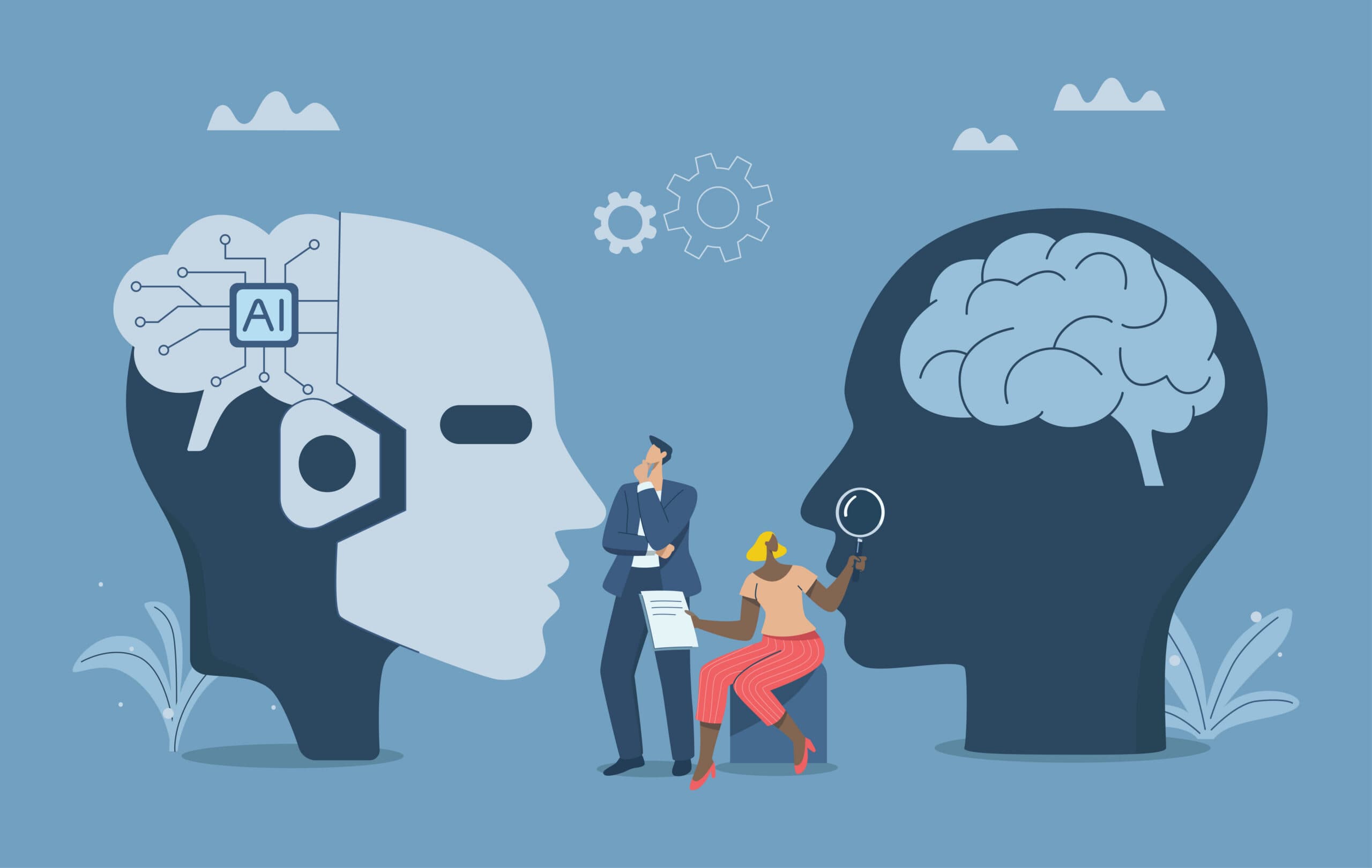
The integration of artificial intelligence (AI) tools into educational frameworks is reshaping how assignments are designed and executed in classrooms, particularly in STEM disciplines. As AI applications like ChatGPT and Copilot become more prevalent and accessible, educators are grappling with the challenge of adapting their teaching methodologies to accommodate these technologies. This article delves into the perspectives of two electrical engineering professors, each with distinct approaches to incorporating AI into their coursework, revealing the nuanced ways educators are navigating this transformative landscape.
Diverging Perspectives on AI in Education
The educational landscape is witnessing a significant shift as AI tools become increasingly powerful and user-friendly. The traditional methods of outsourcing essay writing and utilizing homework answer websites are fading, replaced by sophisticated AI applications that can tackle a wide array of student inquiries. This evolution in educational technology has prompted educators to rethink assignment design and student engagement strategies.
In interviews with two professors at a graduate university, both of whom teach electrical and computer engineering, contrasting viewpoints on AI's role in education emerged. Professor A, who teaches courses such as Microprocessor Systems and Embedded Systems Design, advocates for a cautious approach. He emphasizes the importance of foundational knowledge, arguing that students should first master core principles before leveraging AI tools. For him, using AI prematurely is akin to giving a calculator to a first grader—students may arrive at correct answers without understanding the underlying concepts.
Conversely, Professor B, who focuses on digital logic and has experience teaching an Intro to AI course, views AI as an inevitable and beneficial tool in education. He believes that students should be taught to use AI responsibly and effectively, integrating it into their learning process rather than attempting to eliminate its use altogether. This divergence in philosophy highlights the broader debate among educators regarding the role of AI in learning environments.
The Role of Assignments in AI Integration
Both professors were asked about their course structures and assignment designs. Professor A’s assignments are heavily programming-focused, requiring students to submit code that is tested for functionality. He has implemented measures to reduce AI misuse, such as using Respondus Lockdown Browser during exams to prevent students from accessing AI tools. However, he acknowledges the limitations of preventing AI use in homework assignments, relying on student integrity to adhere to guidelines.
In contrast, Professor B has adapted his assignments to incorporate AI tools, encouraging students to use applications like ChatGPT to explain or refactor their code. He believes that this approach not only enhances learning but also prepares students for a professional landscape where AI is a common tool. This integration of AI into assignments reflects a broader trend among educators to embrace technology as a means of fostering critical thinking and creativity.
The professors also discussed their experiences during the COVID-19 pandemic, noting how the shift to online learning affected student engagement and learning outcomes. Professor A observed a decline in academic performance during that period, drawing parallels to the current challenges posed by AI. He cautions that if AI is used as a substitute for learning rather than a supplement, students may fail to develop the competencies necessary for their future careers. Professor B, on the other hand, expressed concern about the authenticity of student work, emphasizing the need for assignments that reveal students' thought processes rather than just their final outputs.
Why it matters
The contrasting approaches of Professors A and B underscore a critical issue in modern education: the need to balance the integration of AI tools with the preservation of essential learning principles. As AI becomes more integrated into educational practices, the challenge lies in designing assignments that not only leverage these tools but also promote genuine understanding and skill development.
For creators and technologists, this discussion highlights the importance of developing AI tools that support educational objectives rather than detract from them. The goal should be to create an environment where AI serves as an aid to learning, fostering creativity and problem-solving skills, rather than as a crutch that allows students to bypass fundamental learning processes.
The insights from these professors illustrate that there is no one-size-fits-all solution to incorporating AI in education. Each educator must consider their discipline, teaching philosophy, and the specific needs of their students when designing assignments. As the educational landscape continues to evolve, ongoing dialogue and research will be essential in identifying effective strategies for integrating AI into learning environments, ultimately preparing students for a future where AI is an integral part of their professional lives.
Luke Mello, a second-year PhD student at Baylor University, emphasizes the importance of evolving educational practices to enhance modern STEM education. His exploration of AI's role in assignment design serves as a reminder that as technology advances, so too must our approaches to teaching and learning.
Frequently asked questions
- What are the different approaches professors have towards AI in education?
- Professors A and B illustrate differing philosophies: Professor A emphasizes foundational knowledge before using AI, while Professor B advocates for integrating AI into learning.
- How are assignments being adapted in light of AI tools?
- Assignments are being redesigned to either minimize AI use or to incorporate AI tools as part of the learning process, depending on the instructor's philosophy.
- What is the significance of AI in STEM education?
- AI's significance in STEM education lies in its potential to enhance learning and engagement, but it also poses challenges regarding academic integrity and authentic learning.
Related stories
AI & art news in your inbox, daily
The day's top stories, summarized. Free, no spam, unsubscribe anytime.