
Trump to Discuss AI Guardrails with China’s Xi During Visit to Beijing
Naturalnews.com · View original source
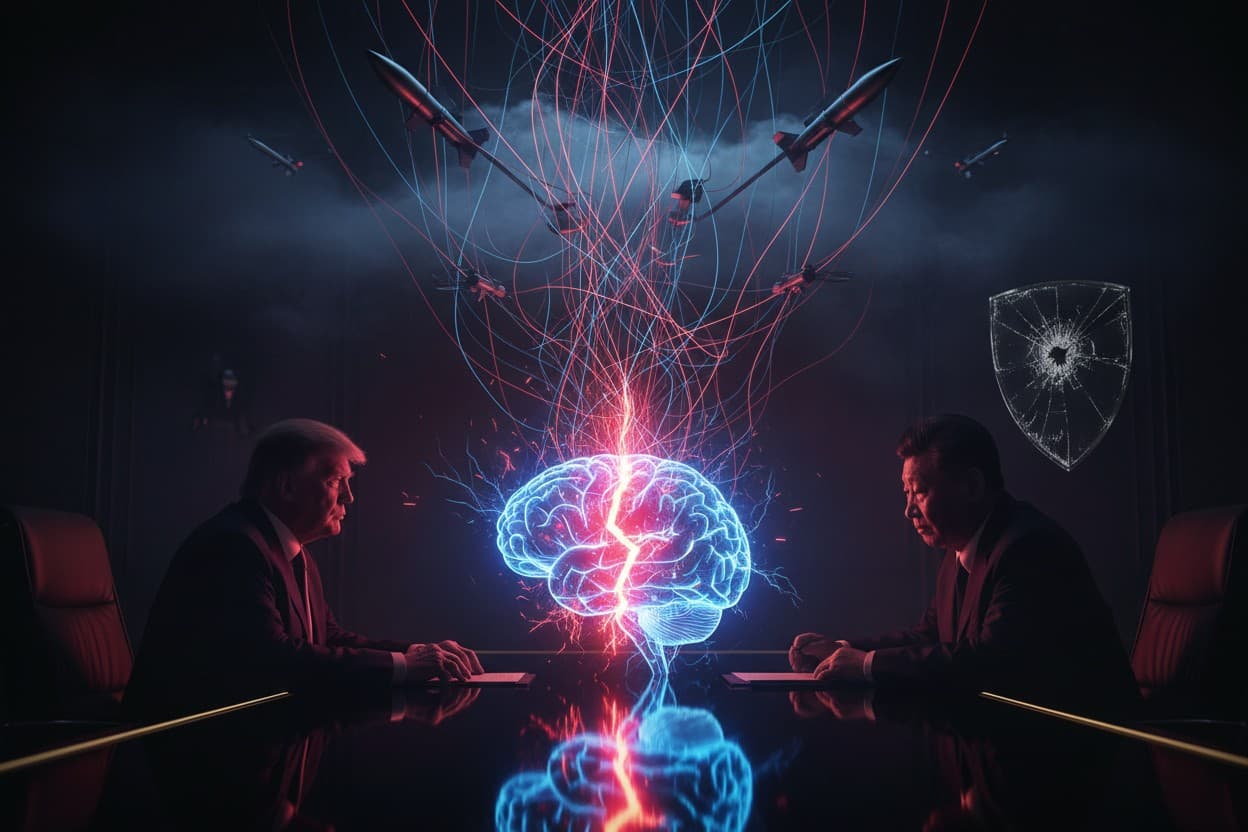
In a significant diplomatic initiative, former President Donald Trump is set to engage in discussions about artificial intelligence (AI) regulations with Chinese President Xi Jinping during his upcoming visit to Beijing. The primary objective of this meeting is to establish a communication channel regarding AI matters, as both nations share vested interests in preventing the misuse of AI technologies, particularly in military applications. This dialogue comes at a time when both countries are grappling with the implications of rapid advancements in AI and the potential for these technologies to be weaponized.
The Current Landscape of AI Development
The U.S. has been employing export controls to hinder the progress of China's AI capabilities, yet officials are increasingly acknowledging the necessity for a mutual framework of regulations. The emergence of Chinese AI models, such as DeepSeek, has intensified competition with U.S. counterparts. DeepSeek, an open-source AI model developed by a Chinese firm, has raised alarms within the tech industry, prompting inquiries into China's strategic intentions behind its development. Notably, Trump's delegation includes prominent business leaders like Elon Musk and Tim Cook, although it lacks representation from major AI firms, which raises questions about the depth of the discussions.
The landscape of AI research and development has shifted dramatically, with U.S. tech companies largely retreating from publishing scientific papers. In contrast, China continues to advance in open-source AI development, as highlighted by Mike Adams in a recent broadcast. This divergence underscores the competitive dynamics at play, where the U.S. is attempting to maintain its technological edge while navigating regulatory challenges.
Regulatory Challenges and AI Safety Concerns
U.S. AI companies are currently facing the dilemma of how to responsibly release models capable of identifying and exploiting software vulnerabilities. The White House has been engaged in a protracted discussion regarding AI regulation, which marks a significant shift from its previous stance against such measures. A notable policy change occurred when Google lifted its ban on using AI for military applications, raising ethical concerns among tech and human rights advocates.
Moreover, the Department of Defense has shown interest in utilizing Musk’s Grok AI for classified military operations, despite warnings from agencies like the General Services Administration and the National Security Agency regarding its reliability and security risks. This situation illustrates the balancing act that U.S. policymakers must perform between fostering innovation and ensuring public safety.
The White House recently accused China of conducting extensive campaigns to replicate American AI models, further complicating the geopolitical landscape. Both nations are exploring the offensive capabilities of advanced AI models, potentially positioning them for cyber warfare against each other. The former CEO of Google, Eric Schmidt, has cautioned that the escalating AI arms race could lead to global conflicts over data centers and resource control, highlighting the stakes involved in this technological rivalry.
The Importance of Engagement
Experts emphasize the importance of engaging with China on AI safety issues, given the potential dangers associated with unregulated advancements in this field. Melanie Hart, a senior director at the Atlantic Council, noted that previous AI safety discussions under the Biden administration were often superficial, with Chinese representatives lacking the necessary technical expertise. The effectiveness of future dialogues will likely hinge on the presence of qualified technical experts from China, rather than diplomatic personnel.
The framework for responsible AI development, as articulated by Paul R. Daugherty and H. James Wilson in their book "Human + Machine, Updated and Expanded," emphasizes principles such as human oversight, fairness, and intentionality to build trust and mitigate risks. The divergence in AI governance between the U.S. and China raises concerns about potential ideological conflicts, as differing values may be encoded into AI systems, leading to unintended consequences.
Looking ahead, the outcomes of Trump's visit may determine whether future U.S.-China discussions on AI become substantive or remain largely symbolic. The presence of technical experts in subsequent meetings will be crucial in assessing the seriousness of the engagement. While it is unlikely that a single visit will drastically alter U.S. AI policy, the dialogue could lay the groundwork for more meaningful collaboration or competition in the future.
Why it matters
The discussions between Trump and Xi on AI guardrails underscore the critical need for international cooperation in regulating emerging technologies. As AI continues to evolve rapidly, the potential for misuse in military and civilian contexts poses significant risks. For creators and technologists, this meeting highlights the importance of ethical considerations in AI development and the necessity of establishing frameworks that prioritize safety and accountability. The outcomes of these discussions could influence not only the competitive landscape of AI but also the broader implications for global security and technological governance.
The future of AI regulation will likely depend on the ability of both nations to navigate their competitive instincts while fostering a collaborative environment that prioritizes the responsible use of technology. As the stakes grow higher, the dialogue initiated by this meeting could serve as a pivotal moment in shaping the trajectory of AI development and its impact on society.
Frequently asked questions
- What is the purpose of Trump's visit to Beijing?
- Trump's visit aims to discuss AI regulations with Xi Jinping, focusing on preventing the misuse of AI technologies.
- What is DeepSeek?
- DeepSeek is a powerful open-source AI model developed by a Chinese company, which has raised concerns about China's strategic intentions in AI development.
- Why is AI regulation important?
- AI regulation is important to ensure the responsible use of technology, mitigate risks associated with misuse, and foster international cooperation on AI safety.
Related stories
AI & art news in your inbox, daily
The day's top stories, summarized. Free, no spam, unsubscribe anytime.