
This is how Apple built 'a Siri that’s profoundly more capable' — and yes, it was done with Google and Nvidia's help
TechRadar · View original source
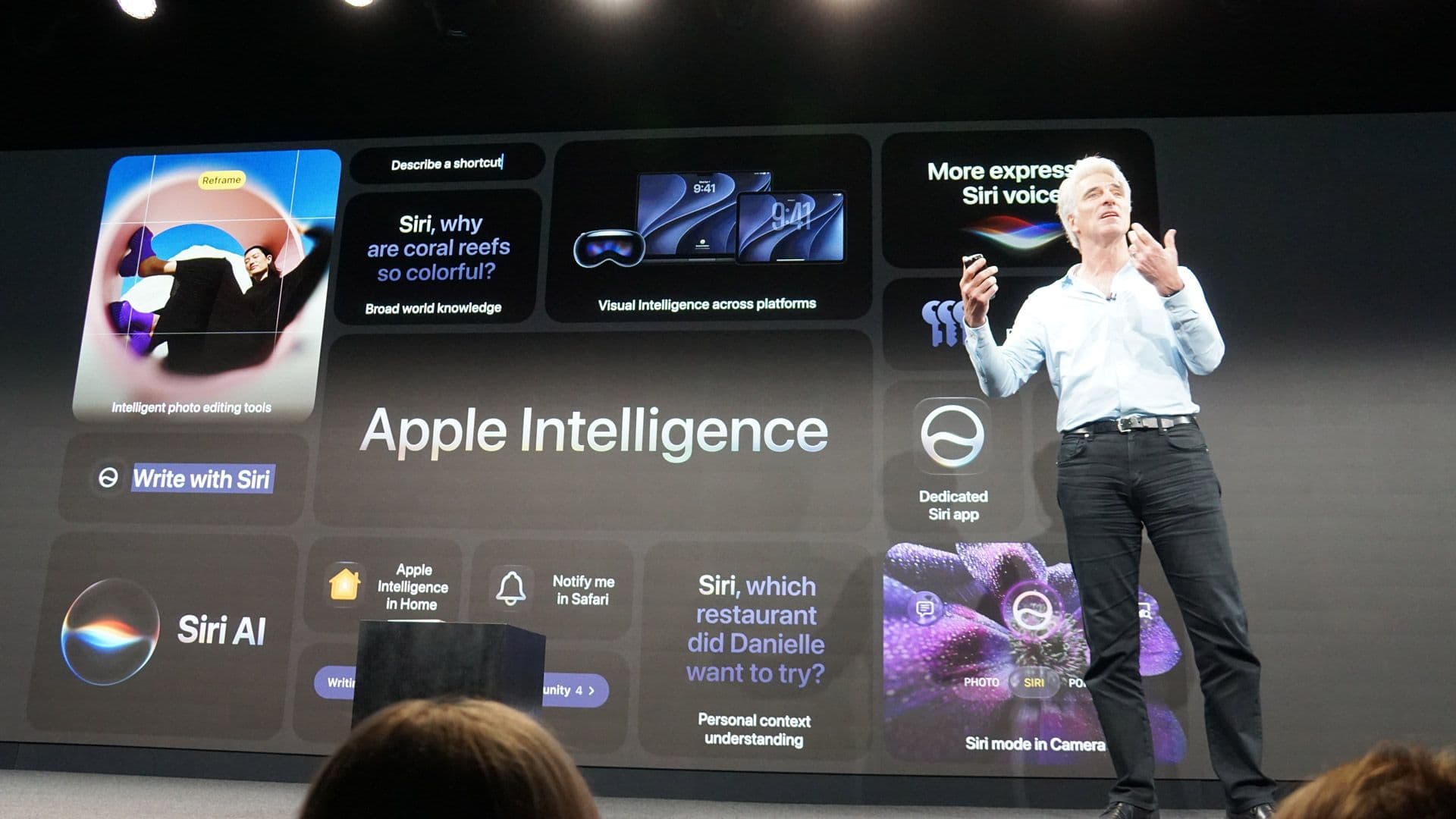
Apple has recently unveiled a significantly enhanced version of Siri, which the company claims is 'profoundly more capable' than its predecessors. This transformation has been made possible through collaboration with Google and Nvidia, particularly leveraging Google’s Gemini foundation models. During the WWDC 2026 Keynote, Apple’s senior vice president of Software Engineering, Craig Federighi, clarified that while Google’s technology plays a role in the new Siri, the Google Assistant itself is not part of the mix. This nuanced distinction underscores the complex relationship between Apple and its partners as it seeks to advance its AI capabilities.
In a presentation that took place in a more intimate setting than the expansive outdoor keynote venue, Federighi was joined by key figures from Apple's engineering and AI divisions, including Sebastien Marineau, Amar Subramanya, and Mike Rockwell. Together, they explored the intricate architecture behind the new Siri, which has been in development for nearly two years. The discussion highlighted not only the technical advancements but also the challenges Apple faced during this period, ultimately leading to the Siri that was finally showcased.
The Architecture of the New Siri
The revamped Siri operates on a sophisticated system that integrates both local and cloud-based models, all housed within Apple's Private Compute Cloud. The new models, such as AFM Core, AFM Cloud Pro, and ADM Cloud Images, represent significant advancements in quality and operational capabilities compared to previous iterations of Siri. Subramanya emphasized that each model marks a substantial leap forward, showcasing the potential of Siri as a more intelligent assistant.
The new Siri is designed to be contextually aware and deeply integrated across the Apple ecosystem. It can seamlessly transition from one application to another, pulling relevant information from various sources, such as Messages or Calendar. This contextual awareness allows Siri to perform tasks more efficiently and intelligently, such as recognizing a schedule from an image on the desktop and adding it to the calendar without user intervention.
A key innovation in the Siri architecture is the introduction of a 'scarce model' approach. Traditionally, AI models load all necessary parameters into memory simultaneously, which can be taxing on device resources. However, the AFM Core Advanced model, which boasts 20 billion parameters, utilizes a more efficient method. It analyzes the entire request, selects the appropriate parameters, and locks them in for the duration of the request. This innovation significantly reduces the memory and battery demands typically associated with operating large AI models on mobile devices.
Collaboration with Google and Nvidia
Apple's collaboration with Google is particularly noteworthy. While the company has openly acknowledged its use of Google’s Gemini foundation models, the extent of this partnership is more profound than a simple integration of existing technology. Federighi illustrated this point with a schematic that detailed the various components of Siri’s architecture. The color-coded diagram indicated that all new models are co-developed, with Apple's contributions primarily focused on the overarching system architecture.
The relationship with Nvidia also plays a crucial role in the new Siri's capabilities. Apple needed advanced technology to support the more powerful cloud-based models, leading to a collaboration that included Nvidia's GPUs and security components from both Intel and Google. This partnership has allowed Apple to expand its Private Cloud Compute infrastructure, which is essential for handling the demands of larger models that cannot be processed on-device.
Despite these collaborations, Apple maintains strict control over the software that interacts with its devices. Executives stressed that Siri will only connect with software that is signed and verified by Apple, ensuring that user privacy and security remain paramount, even when utilizing third-party cloud services.
Why it matters
The evolution of Siri marks a significant milestone in Apple's approach to artificial intelligence and user interaction. By integrating advanced technologies from Google and Nvidia while maintaining its proprietary architecture, Apple has crafted a more capable and intelligent assistant that aligns with its vision of seamless user experience. For creators and technologists, this development illustrates the importance of collaboration in the tech industry, especially when it comes to leveraging cutting-edge AI capabilities.
As AI continues to evolve, the implications for creators are profound. Enhanced AI assistants like the new Siri can streamline workflows, automate mundane tasks, and provide more contextual assistance, ultimately allowing creators to focus on their core work. For technologists, the advancements in AI architecture and collaboration models present new opportunities for innovation and development in the field. The success of Siri’s transformation may serve as a blueprint for future AI integrations across various platforms, emphasizing the need for strategic partnerships in achieving ambitious technological goals.
Frequently asked questions
- What is the new Siri built on?
- The new Siri is built on a sophisticated architecture that integrates local and cloud-based models, utilizing Google's Gemini foundation models.
- How does the new Siri handle parameters?
- The new Siri uses a 'scarce model' approach, selecting and locking in the necessary parameters for each request, which reduces memory and battery usage.
- What role do Google and Nvidia play in the new Siri?
- Google provides foundation models for Siri, while Nvidia supplies advanced technology and GPUs to support the cloud-based components of the new Siri architecture.
Related stories
AI & art news in your inbox, daily
The day's top stories, summarized. Free, no spam, unsubscribe anytime.