
The synthetic sales pitch: How brands are using fake people to sell you real products without telling you
Naturalnews.com · View original source
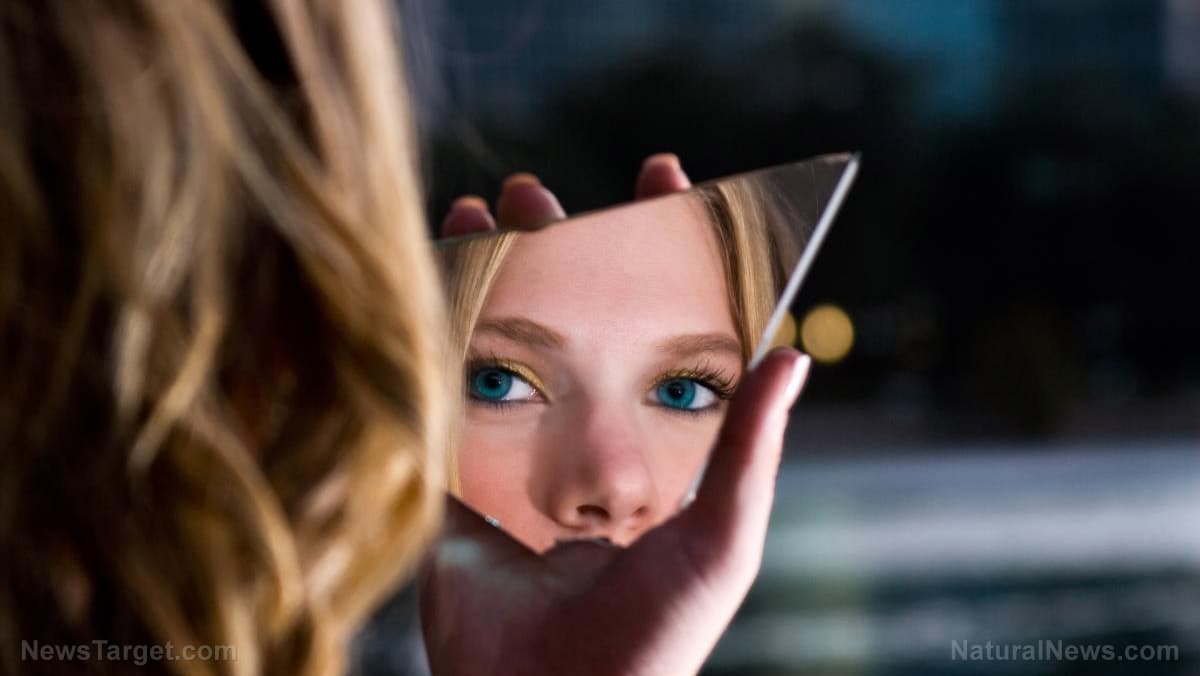
In a striking revelation, major brands are increasingly employing AI-generated influencers to promote their products, often without informing consumers that these endorsements are fabricated. This practice raises significant ethical concerns as it obscures the line between genuine customer experiences and artificial marketing strategies. Reports indicate that as much as 60% of content from leading brands could be generated by artificial intelligence, a trend that is largely hidden from the public eye due to non-disclosure agreements (NDAs) binding many creators.
The Scale of Deception
The extent of this phenomenon is more pervasive than many consumers might suspect. Clarissa Mansbridge, a former celebrity manager who now specializes in creating AI influencer images, estimates that between 40% to 60% of content from some prominent brands is AI-generated. This staggering figure highlights a significant shift in marketing practices, where brands are opting for cost-effective AI solutions over traditional human influencers. Mansbridge notes that many creators are bound by NDAs, which prevent them from disclosing the use of AI in their promotional efforts. This secrecy is rooted in a desire to maintain consumer trust, which is still in the process of being established in the realm of AI marketing.
The economic advantages of using AI influencers are compelling. Brands can achieve high-quality promotional content without the exorbitant costs associated with human influencers, which can range from $20,000 to $70,000 for a traditional photoshoot. In contrast, the average cost for an AI-generated influencer post is approximately $1,694, representing a staggering difference of over 46 times. This financial incentive is likely to drive more brands to adopt AI-generated content, perpetuating the cycle of deception.
Real Examples, Fake People
Several notable instances of AI influencer use have come to light through investigations. For example, a photo app named Once showcased Instagram videos featuring a seemingly emotional bride expressing her joy over using the app at her wedding. However, analysis by Reality Defenders, a cybersecurity firm that specializes in detecting deepfakes, suggests that the influencer in question was likely AI-generated. When approached for comment, Once did not respond, raising further questions about transparency in their marketing practices.
Another case involved a fashion brand called Ashle, which posted images of a woman wearing its clothing at a restaurant. Upon scrutiny, it was discovered that the woman in the image had an extra finger, a telltale sign of AI generation. After being contacted by the Guardian, Ashle removed the images, claiming they were taken down for unrelated reasons but acknowledged that AI had been used in their initial marketing phase. Similarly, the app Maket, which utilizes AI for housing project designs, admitted to employing AI-generated influencers to test marketing concepts on a smaller scale before committing to larger campaigns.
The Regulatory Void
The lack of regulatory frameworks governing the use of AI-generated content is a significant concern. In the UK, the Advertising Standards Authority (ASA) has confirmed that there are no explicit rules preventing brands from using AI-generated promotional content without disclosure. This absence of regulation leaves consumers vulnerable to misleading marketing tactics. While the European Union is set to implement new rules under the Artificial Intelligence Act requiring clear labeling of AI-generated content starting in August, the United States lacks a comprehensive federal law specifically addressing AI in advertising. Although the Federal Trade Commission (FTC) has updated its Endorsement Guides to include AI-generated personas, enforcement remains inconsistent.
Lisa Barber, editor of Which? Tech, highlighted the alarming statistic that 70% of people struggle to differentiate between real and fake videos, indicating a widespread potential for consumer deception. This situation calls for heightened skepticism from consumers, who must navigate a landscape where brands manufacture seemingly authentic recommendations using technology that remains largely undetectable.
Why it matters
The implications of AI-generated influencers extend beyond mere marketing tactics; they challenge the fundamental principles of consumer trust and transparency. As brands increasingly fabricate endorsements, the authenticity of customer experiences is called into question. The responsibility now lies with consumers to approach recommendations with a critical eye, especially in an era where digital manipulation is becoming more sophisticated.
Until regulatory bodies impose stricter guidelines ensuring transparency in AI marketing, consumers must remain vigilant. The glowing reviews and heartfelt testimonials that flood social media may not always represent real experiences; they could be the product of advanced algorithms designed to manipulate consumer behavior. As technology evolves, so too must our understanding of its implications in advertising and consumer interactions. The burden of skepticism is now a necessary tool for navigating the complex landscape of digital marketing, where the line between reality and fabrication continues to blur.
Frequently asked questions
- What are AI-generated influencers?
- AI-generated influencers are digital personas created using artificial intelligence technology to promote products or services, often without consumers knowing they are not real people.
- Why are brands using AI influencers?
- Brands use AI influencers because they are significantly cheaper to produce than human influencers, allowing for high-quality marketing content at a fraction of the cost.
- Are there regulations for AI-generated content in advertising?
- Currently, there are no explicit regulations in many regions, including the UK, requiring disclosure of AI-generated content in advertising, although the EU is set to introduce new rules.
Related stories
AI & art news in your inbox, daily
The day's top stories, summarized. Free, no spam, unsubscribe anytime.