
The iPhone 18 Pro Has a Secret Weapon That Busts Fake AI Photos
PCMag.com · View original source
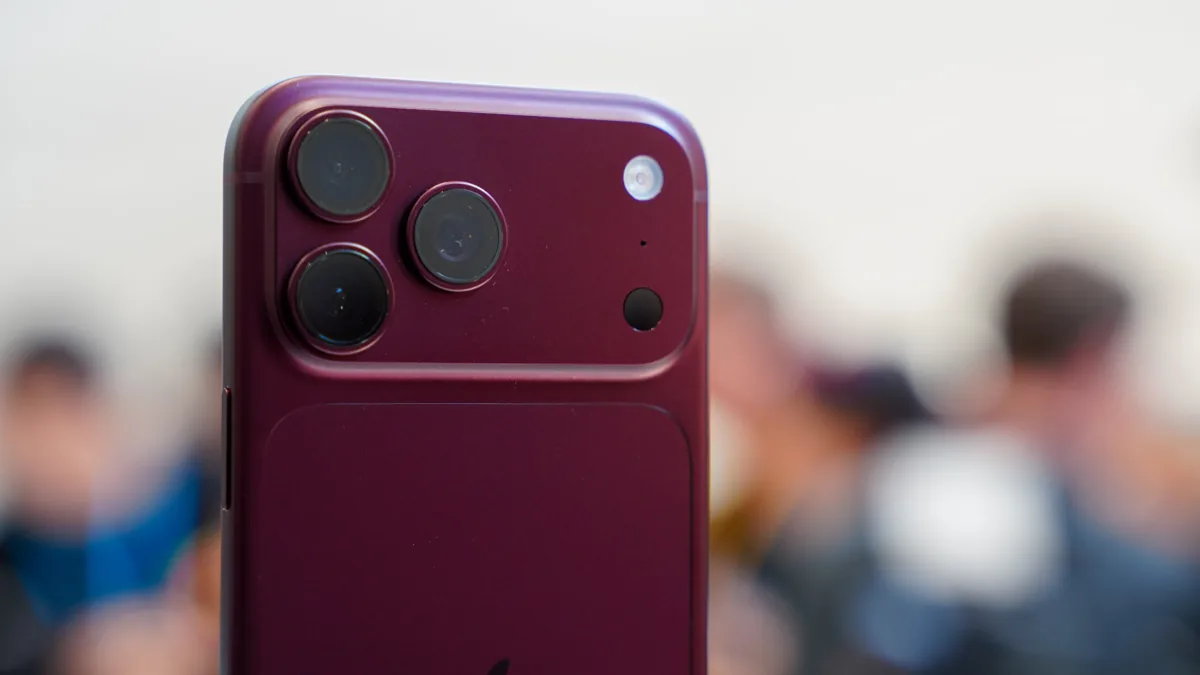
The iPhone 18 Pro and Pro Max are set to introduce a groundbreaking feature called Reference Image, aimed at combating the proliferation of fake, AI-generated images. As the digital landscape becomes increasingly saturated with manipulated visuals, Apple's new technology promises to provide a layer of authenticity by embedding an unedited version of every photo taken with these devices. This feature is not only a response to the rise of generative AI in image creation but also a significant step towards maintaining the integrity of photographic content in a world where the line between reality and fabrication is increasingly blurred.
Understanding Reference Image
Reference Image is an innovative addition exclusive to the iPhone 18 Pro and Pro Max. This feature embeds the original, unedited version of an image directly into the photo at the time of capture. The primary goal is to allow users to verify the authenticity of images, enabling them to see exactly how a photo has been edited compared to what the camera initially captured. This capability is particularly useful in an era where social media feeds are filled with images that can appear too perfect or unreal.
To utilize Reference Image, users must enable the feature through the Settings menu, as it is turned off by default. It is important to note that this functionality is limited to the main 1x lens of the iPhone 18 Pro, which has been specifically designed to support this hardware-based encryption. The feature does not extend to the other lenses available on the device, which may limit its usability in certain photography scenarios.
Once activated, Reference Image operates seamlessly alongside existing camera functions, such as Portrait mode and Apple ProRaw, allowing users to edit their photos without losing the ability to reference the original image. This feature creates a transparent editing process, where any changes made can be verified by others, thereby enhancing accountability in image sharing.
The Role of Original Data in a Post-Truth Era
The emergence of generative AI has raised significant concerns regarding the authenticity of images. Early iterations of AI-generated images often contained noticeable flaws, but advancements have led to creations that can deceive even the most discerning observers. In this context, tools like Reference Image are crucial for maintaining trust in visual media. They provide a means to discern whether an image has been altered or entirely fabricated, thus addressing the challenges posed by the current digital landscape.
While the concept of photographic truth has always been subjective—shaped by the photographer's choices regarding composition, lighting, and editing—Reference Image offers a new layer of verification. It allows users to see the original capture, which can help contextualize the edits made. This is particularly relevant for photographers and content creators who wish to uphold standards of authenticity in their work.
Comparison with C2PA and Industry Standards
Apple's Reference Image technology has drawn comparisons to the C2PA standard, which aims to provide a framework for image authentication across the industry. C2PA, developed by Adobe and other industry leaders, embeds a copy of the unedited image into manipulated photos, allowing users to trace the editing history. While both systems share a common goal of enhancing image integrity, Apple's approach is distinct in that it operates at the sensor level, making it more difficult to spoof.
This proprietary method may offer advantages in security, but it also raises questions about interoperability with existing standards. The fact that Reference Image is currently limited to the iPhone 18 Pro and Pro Max and does not support all camera lenses may hinder its broader adoption. Furthermore, while Apple has plans to expand compatibility with other platforms, the initial exclusivity of the feature could alienate users who rely on other devices for their photography needs.
Despite these limitations, the introduction of Reference Image is a significant move in the right direction. It acknowledges the importance of provenance in photography and the need for tools that can help users navigate a world increasingly filled with manipulated content. As the technology matures, there is hope that it will become more widely available and integrated into various devices and platforms, ultimately enhancing the authenticity of digital images across the board.
In conclusion, the iPhone 18 Pro's Reference Image feature represents a proactive approach to addressing the challenges posed by fake and AI-generated images. By embedding original data directly into photographs, Apple is setting a new standard for accountability in photography, which is essential in today's post-truth environment. As consumers and creators alike seek to navigate the complexities of visual media, tools that offer transparency and verification will be invaluable in preserving the integrity of photographic content.
Frequently asked questions
- What is the Reference Image feature on the iPhone 18 Pro?
- Reference Image is a new feature that embeds an original, unedited version of a photo into each image taken with the iPhone 18 Pro and Pro Max, allowing users to verify edits made to the image.
- How does Reference Image compare to C2PA?
- While both Reference Image and C2PA aim to enhance image authenticity, Reference Image operates at a deeper, sensor-based level, making it more secure against spoofing compared to the software-based approach of C2PA.
- Can I use Reference Image with all lenses on the iPhone 18 Pro?
- No, Reference Image is currently limited to the main 1x lens of the iPhone 18 Pro and Pro Max, and does not work with the other lenses.
Related stories
AI & art news in your inbox, daily
The day's top stories, summarized. Free, no spam, unsubscribe anytime.