
Tech Forum 2026: AI data centers turn to on-site power amid grid constraints
Digitimes · View original source
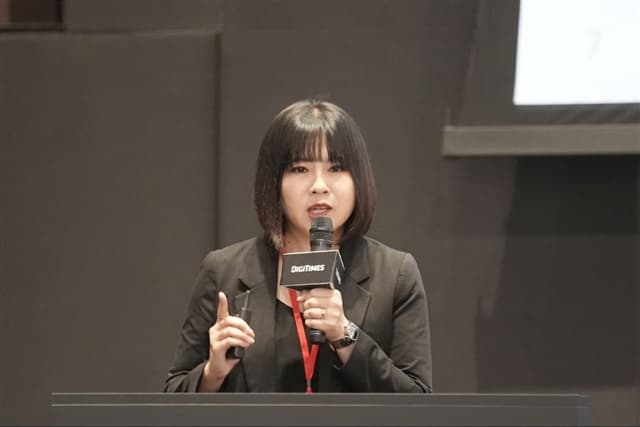
In a significant development within the tech industry, AI data centers are increasingly turning to on-site power solutions to address mounting energy challenges. This shift comes as analysts highlight multiple constraints affecting the energy supply for these facilities, particularly during the Tech Forum 2026 held in Taipei. The need for sustainable power sources has never been more pressing as data centers grapple with rising energy demands driven by advanced artificial intelligence applications.
The Energy Challenges Facing AI Data Centers
According to Sabrina Yu, an analyst at Digitimes, AI data centers are contending with four primary energy-related challenges. First, there is the issue of rising GPU thermal design power. As AI models become more complex and computationally intensive, the graphics processing units (GPUs) that power these models require more energy and produce more heat. This increase in thermal output necessitates advanced cooling solutions, which further strain energy resources.
Secondly, the introduction of a new high-voltage direct current (HVDC) architecture presents both opportunities and challenges. While HVDC can improve energy efficiency and reduce transmission losses over long distances, its implementation requires significant infrastructure changes. Many existing data centers may not be equipped to handle this new architecture without substantial upgrades, which can be both costly and time-consuming.
Persistent grid bottlenecks represent the third challenge. As demand for electricity continues to rise, the existing power grids are struggling to keep pace. These bottlenecks can lead to unreliable power supply, which is particularly detrimental for AI data centers that require constant and stable power to operate effectively. Any interruptions can result in significant downtime and loss of productivity.
Finally, there is the increasing pressure for sustainability. With growing awareness of climate change and environmental issues, data centers are being pushed to adopt greener practices. This includes reducing carbon footprints and utilizing renewable energy sources. However, transitioning to sustainable energy solutions can be complex and may require upfront investments that some facilities are not prepared to make.
The Shift to On-Site Power Solutions
In response to these challenges, many AI data centers are now exploring on-site power generation as a viable alternative. By generating their own power, these facilities can reduce their reliance on the grid and mitigate the impact of grid constraints. On-site solutions can include solar panels, wind turbines, and even energy storage systems that allow data centers to harness renewable energy effectively.
This shift not only addresses immediate energy needs but also aligns with the broader trend towards sustainability in the tech industry. By investing in on-site power solutions, data centers can enhance their resilience against grid fluctuations and contribute to a more sustainable energy ecosystem. This move is particularly relevant as regulatory frameworks increasingly favor environmentally friendly practices.
Why it matters
The transition to on-site power generation at AI data centers has significant implications for creators and technologists. For creators, particularly those involved in AI development, understanding the energy landscape is crucial. As data centers become more energy-efficient and sustainable, the costs associated with running AI models may decrease, potentially lowering barriers to entry for new projects and innovations.
For technologists, this shift underscores the importance of integrating energy management into the design and operation of tech infrastructure. As AI continues to evolve, the demand for energy-efficient solutions will only grow. Professionals in the field will need to stay abreast of advancements in energy technologies and sustainable practices to remain competitive.
In conclusion, the move towards on-site power generation in AI data centers reflects a critical response to the multifaceted energy challenges facing the industry. As these facilities adapt to new energy paradigms, they pave the way for a more sustainable and resilient future in technology.
Frequently asked questions
- What are the main energy challenges for AI data centers?
- AI data centers face challenges such as rising GPU thermal design power, the need for new high-voltage direct current architecture, persistent grid bottlenecks, and increasing sustainability pressures.
- How can AI data centers address energy constraints?
- Many AI data centers are turning to on-site power generation solutions, such as solar panels and wind turbines, to reduce their reliance on the grid and enhance energy sustainability.
- What is high-voltage direct current (HVDC) architecture?
- High-voltage direct current (HVDC) architecture is a method of transmitting electricity over long distances with reduced energy loss, but it requires significant infrastructure changes for implementation.
Related stories
AI & art news in your inbox, daily
The day's top stories, summarized. Free, no spam, unsubscribe anytime.