
Synopsys sees hyperscaler chip ambitions fueling AI-related demand
Digitimes · View original source
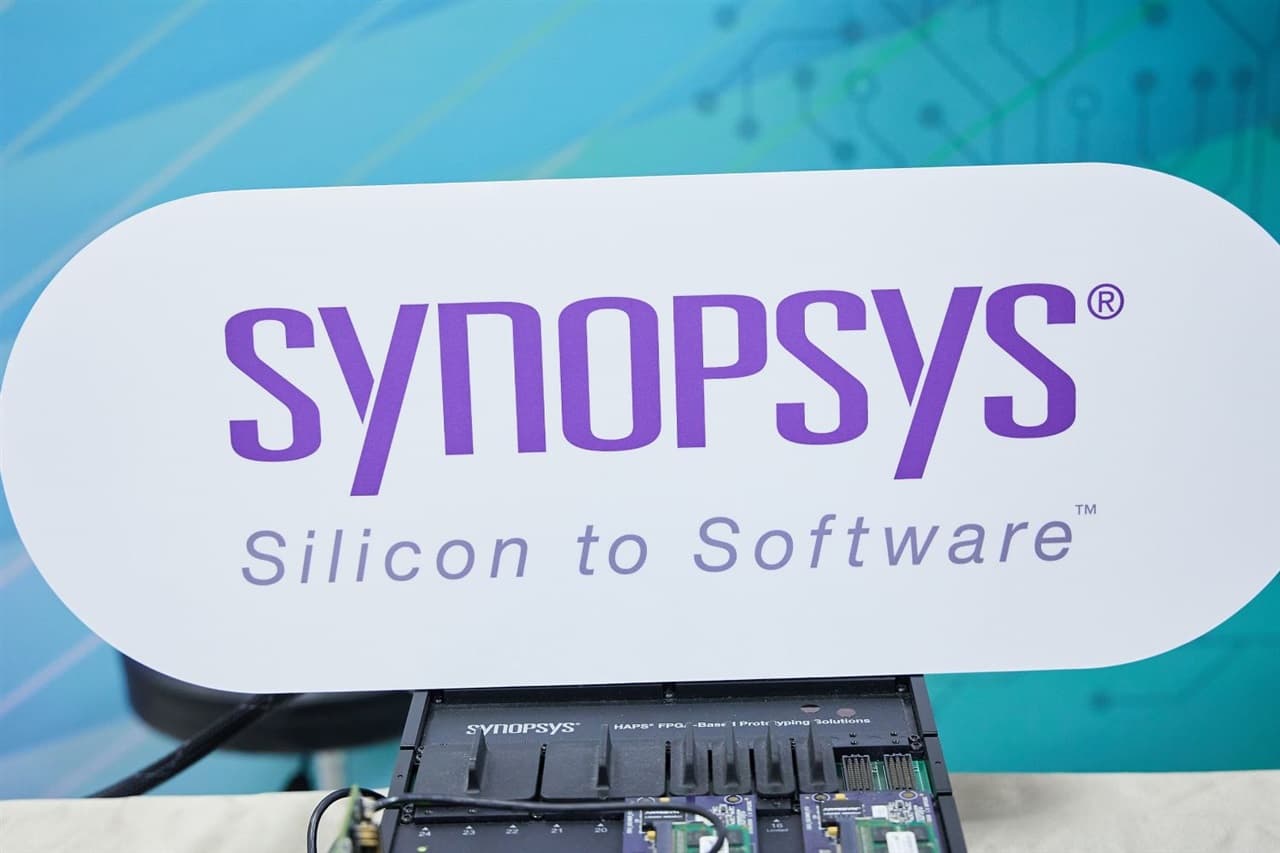
Synopsys, a prominent player in the semiconductor industry, has identified a significant surge in demand for artificial intelligence (AI) chips, particularly from semiconductor firms and hyperscale data center operators. This growing interest is not only driving the market for AI chips but is also fostering a broader adoption of Synopsys's electronic design automation (EDA) tools, hardware-assisted verification solutions, and intellectual property offerings.
The demand for AI chips is primarily being fueled by the ambitions of hyperscalers—large-scale data center operators who provide cloud services and manage vast amounts of data. These companies are increasingly investing in advanced semiconductor technologies to enhance their capabilities in processing and analyzing data. As a result, Synopsys is witnessing a notable uptick in the utilization of its products and services, which are essential for designing and verifying complex semiconductor designs.
The Role of EDA and Verification Tools
Electronic design automation (EDA) refers to a category of software tools used to design electronic systems, including integrated circuits and printed circuit boards. These tools are crucial for semiconductor companies as they streamline the design process, allowing for more efficient and accurate development of chips. With the rise of AI applications, the complexity of chip designs has increased, necessitating advanced EDA solutions that can handle these challenges.
In addition to EDA, hardware-assisted verification is another critical area where Synopsys is seeing increased demand. This process involves using specialized hardware to validate the functionality of a chip design before it goes into production, ensuring that the final product meets performance specifications. As AI technology evolves, the need for rigorous verification processes becomes even more vital, further driving the adoption of Synopsys’s offerings.
Intellectual property (IP) in the semiconductor industry refers to the proprietary technology and designs that companies license to others for use in their products. Synopsys provides a range of IP cores that can be integrated into various chip designs, helping companies accelerate their development timelines and reduce costs. The growing interest in AI chips has led to an increased need for specialized IP, which Synopsys is well-positioned to supply.
Why it matters
The implications of Synopsys's observations extend beyond the company itself, highlighting a broader trend within the semiconductor and AI industries. For creators and technologists, this shift signifies a growing market for AI-related technologies, which may lead to new opportunities for innovation and collaboration.
As hyperscale data centers continue to expand their capabilities, the demand for specialized AI chips will likely increase. This trend could encourage more semiconductor companies to invest in EDA and verification tools, as they seek to develop cutting-edge products that meet the evolving needs of the market. For technologists, this presents an opportunity to engage with advanced design methodologies and explore new applications for AI in various sectors.
Furthermore, the emphasis on hardware-assisted verification and intellectual property suggests that companies will need to prioritize quality and efficiency in their chip designs. This focus may lead to advancements in design automation technologies, benefiting the entire semiconductor ecosystem.
In summary, Synopsys's insights into the growing demand for AI chips from hyperscalers underscore a pivotal moment in the semiconductor industry. As the landscape evolves, both creators and technologists must adapt to the changing dynamics, leveraging new tools and technologies to stay competitive in a rapidly advancing field.
Frequently asked questions
- What is electronic design automation (EDA)?
- Electronic design automation (EDA) refers to software tools used for designing electronic systems, including integrated circuits. These tools help streamline the design process and improve accuracy.
- What is hardware-assisted verification?
- Hardware-assisted verification involves using specialized hardware to validate chip designs before production, ensuring they meet performance specifications.
- What does intellectual property (IP) mean in the semiconductor industry?
- In the semiconductor industry, intellectual property (IP) refers to proprietary technology and designs that companies license to others for use in their products.
Related stories
AI & art news in your inbox, daily
The day's top stories, summarized. Free, no spam, unsubscribe anytime.