
Spotify is cracking down on AI slop, but prompters can still post their generated music if they build a personal brand around it
Tubefilter · View original source
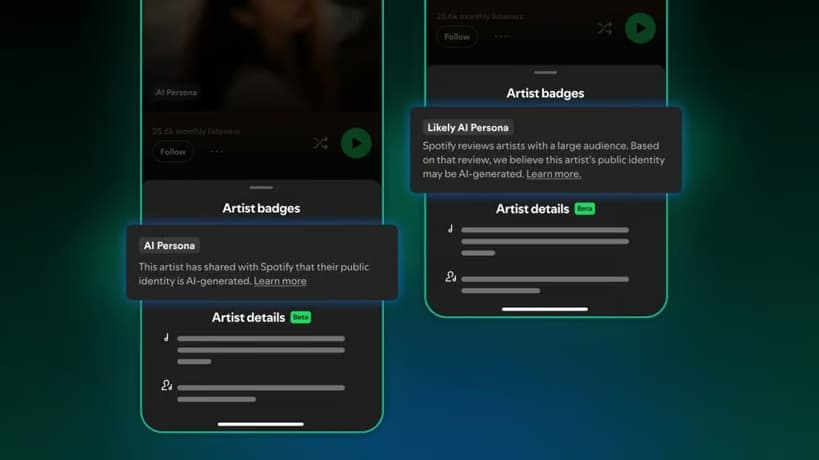
Spotify is taking significant steps to manage the influx of AI-generated music on its platform, introducing a new feature that aims to distinguish between human-created content and that which is produced by artificial intelligence. This initiative reflects the ongoing tension within the music streaming industry, where platforms are grappling with the dual pressures of monetizing AI technology while still honoring the contributions of traditional human artists. As Spotify navigates this complex landscape, it is implementing measures to ensure that users can easily identify AI-generated content, thereby preserving the integrity of the listening experience for its audience.
Spotify's New Measures Against AI-Generated Content
In a move reminiscent of other major user-generated content platforms like YouTube and Instagram, Spotify has introduced a feature that allows users to flag what it refers to as “AI slop.” This term is used to describe low-quality, automated content that lacks the artistic depth and effort typically associated with human creators. Spotify’s Global Head of Artists, Marketing, and Policy has emphasized the importance of maintaining a high standard for the content available on the platform, stating that “slop, spam, low-effort content, no one wants that polluting their experience.”
To combat this issue, Spotify has already removed an astonishing 75 million tracks deemed as spam within a single year. This rigorous approach underscores the platform’s commitment to curating a quality experience for its users. Additionally, Spotify has rolled out a Verified badge specifically for human artists, aimed at helping them stand out in an increasingly crowded space populated by AI-generated profiles.
Despite these measures, Spotify still faces challenges related to the transparency of generated content. There have been complaints from users who feel that AI-generated music often goes unreported and appears in their recommended playlists without proper disclosure. Organizations like SlopTracker have raised concerns that AI music uploaders have significantly impacted the earnings of real musicians, estimating a loss of approximately $2.5 million due to the popularity of AI-generated tracks.
To address these concerns, Spotify is set to introduce an AI Persona badge that will inform listeners when an artist's identity is AI-generated. This badge is expected to roll out in mid-September, and the company is encouraging content creators to self-disclose their use of AI before the official launch. If they fail to do so, Spotify has indicated that it will take action against those profiles that present themselves as human while being AI-generated.
The Role of Listeners and Self-Disclosure
Listeners will play a crucial role in this new framework. If an artist account has not self-disclosed and has escaped Spotify’s detection, users will have the ability to report it using a LinkedIn-like button that will be introduced in the coming months. This feature aims to empower the community to help maintain the integrity of the platform by flagging misleading profiles.
Spotify has made it clear that it welcomes the use of generative AI in music creation, but it draws a line between the technology used and the representation of the artist. The company has stated, “Although there’s a broad spectrum in how artists use AI as a creative tool, the question of whether a profile represents an actual human is one where Spotify can help make a clear determination.” This indicates that the focus is not solely on the content itself but also on the identity presented by the artist.
Why it matters
The implications of Spotify's new policies are significant for both creators and technologists in the music industry. For artists, especially those who utilize AI tools in their creative processes, the emphasis on personal branding becomes paramount. Artists must not only focus on the quality of their music but also on how they present themselves to the audience. The introduction of the AI Persona badge and the Verified badge for human artists creates a clear distinction, which could influence listeners' choices and ultimately affect the success of an artist's career.
For technologists, this development highlights the ongoing dialogue between innovation and authenticity in the digital age. As AI continues to evolve, the challenge will be to balance the benefits of generative technology with the need for genuine human expression in art. Spotify’s approach may serve as a model for other platforms grappling with similar issues, demonstrating that while AI can enhance creativity, it is the human touch that resonates most with audiences.
In conclusion, as Spotify navigates the complexities of AI-generated content, it is clear that the platform is committed to preserving the quality and authenticity of the listening experience. With the introduction of new features aimed at distinguishing between human and AI-generated music, Spotify is setting a precedent for how streaming services can manage the intersection of technology and creativity in the music industry.
Frequently asked questions
- What is Spotify's new feature regarding AI-generated music?
- Spotify has introduced a feature that allows users to flag low-quality, AI-generated content, referred to as 'AI slop.' This aims to maintain the quality of music available on the platform.
- How does Spotify differentiate between human artists and AI-generated profiles?
- Spotify is implementing an AI Persona badge to indicate when an artist's identity is AI-generated, along with a Verified badge for human artists to help users identify genuine creators.
- What actions can listeners take regarding AI-generated content on Spotify?
- Listeners will be able to report accounts that misrepresent themselves as human if they have not self-disclosed their AI-generated status, using a reporting button that will be introduced soon.
Related stories
AI & art news in your inbox, daily
The day's top stories, summarized. Free, no spam, unsubscribe anytime.