
SpaceX wants to build AI data centers in space. Will it work?
Science Daily · View original source
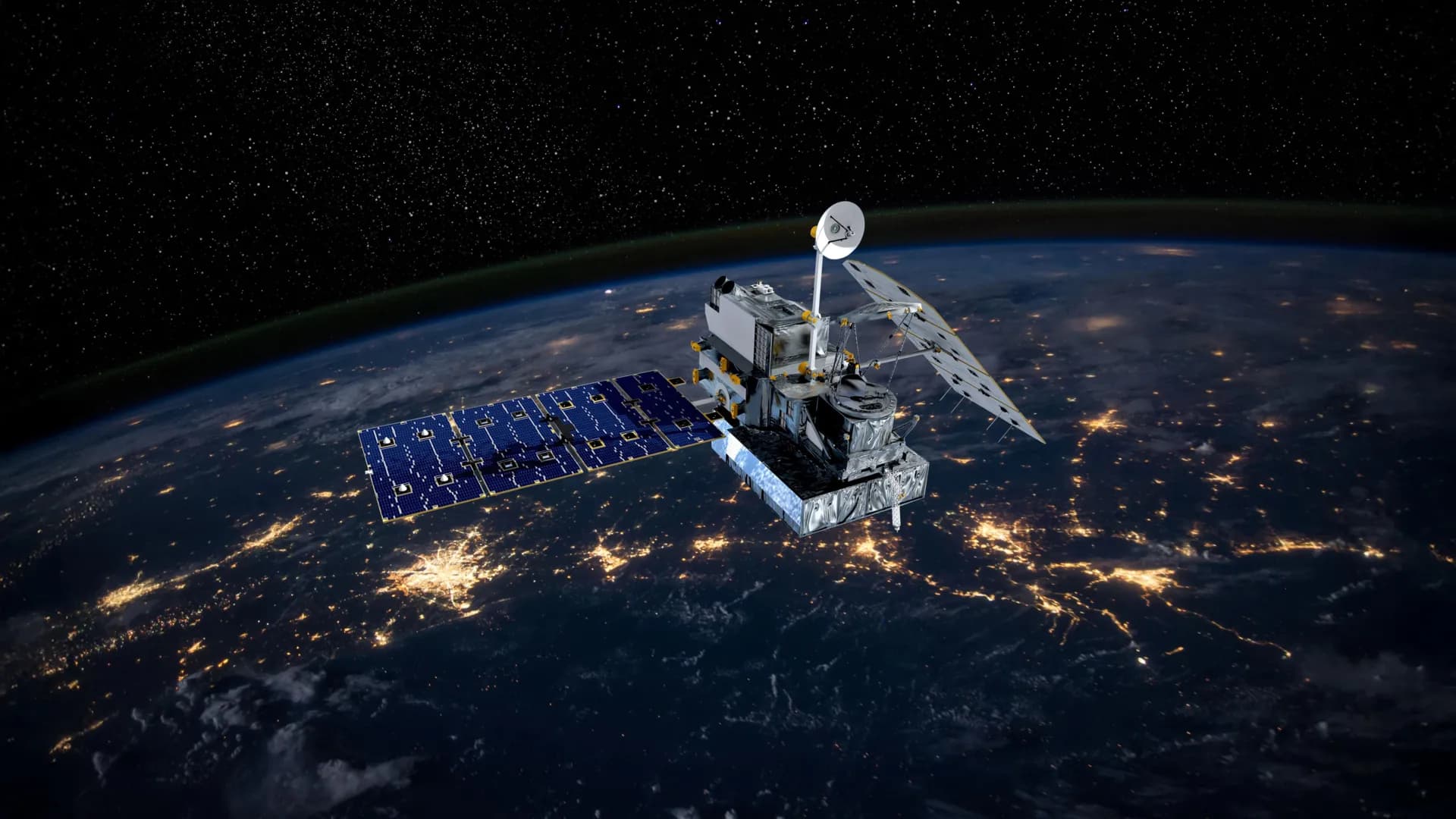
SpaceX is setting its sights on an ambitious venture that could redefine the landscape of the emerging space economy: the development of orbital data centers. This concept, which once seemed confined to the realm of science fiction, is gaining traction as the demand for computing power surges, particularly due to advancements in artificial intelligence. As investors look beyond traditional rocket launches, they are increasingly interested in the potential of a comprehensive orbital ecosystem that could include everything from transportation to data processing.
The Vision for Orbital Data Centers
The allure of orbital data centers lies in their potential to leverage the unique advantages of space. By placing data centers in orbit, companies like SpaceX aim to tap into abundant solar energy while alleviating the constraints imposed by land, water, and power grids on Earth. This shift is particularly appealing as terrestrial data centers face growing public resistance due to their environmental impact and resource consumption. The prospect of relocating these facilities to space could mitigate these issues, allowing for a more sustainable approach to computing.
However, the transition from concept to reality is fraught with challenges. Operating a data center in space is drastically different from launching satellites. Space presents a harsh environment where radiation can damage electronics, and the management of heat generated by computing equipment becomes a formidable task. Unlike Earth, where cooling systems can rely on air and water, space requires innovative solutions to dissipate heat efficiently. Moreover, the costs associated with launching equipment into orbit remain significant, making the economic viability of such projects a crucial consideration.
To understand the feasibility of space-based data centers, it's essential to examine the fundamental requirements of Earth-based facilities. These data centers are not merely collections of servers; they are complex infrastructures that require substantial amounts of electricity, advanced cooling systems, and physical space for operations. As the demand for computing power grows, particularly with the rise of AI technologies, the energy consumption of these facilities is also increasing.
The Technical Challenges Ahead
In space, power would primarily be sourced from solar panels, which present their own set of challenges. While solar energy is plentiful in orbit, the efficiency of solar cells means that only about half of the sunlight they capture is converted into electricity. Additionally, the positioning of these panels is critical, as they may be obscured by Earth during parts of their orbit, impacting energy generation.
Cooling presents another significant hurdle. While the frigid temperatures of space could theoretically facilitate heat dissipation, the absence of air means that heat must escape through radiation, a slow process that could necessitate extensive surface area for radiators—potentially the size of two football fields for substantial heat removal. This requirement adds complexity to the design and construction of space data centers.
Moreover, the operational logistics of launching and assembling these facilities in space pose further challenges. Each component must be sent into orbit and assembled, necessitating advancements in in-space servicing and manufacturing capabilities. The refresh cycle for computing hardware also complicates matters, as servers typically need to be upgraded or replaced every few years on Earth. In space, such processes would be significantly more difficult and costly, raising concerns about the long-term viability of the infrastructure.
Despite these challenges, the potential benefits of space-based data centers are compelling. They offer a solution to the local conflicts that often arise from building large data centers on Earth, such as land use disputes and environmental concerns. Furthermore, they could serve specialized applications related to space operations, such as processing data from satellites or conducting scientific research, before they are ready to compete with traditional cloud services.
Why it matters
The exploration of orbital data centers by companies like SpaceX signifies a pivotal moment in the evolution of computing infrastructure. As the demand for data processing capabilities continues to escalate, particularly in fields driven by artificial intelligence, the development of space-based solutions could provide a much-needed alternative to the limitations of Earth-based facilities. However, the technical, economic, and logistical challenges must be addressed to ensure that these ambitious projects can be realized.
For creators and technologists, the implications are profound. The advent of space-based data centers could lead to new opportunities for innovation and collaboration in the tech industry, as companies seek to harness the unique advantages of space for computing. As this field develops, it will be essential for stakeholders to engage with the challenges and opportunities presented by this frontier, shaping the future of technology in an increasingly interconnected world.
Frequently asked questions
- What are orbital data centers?
- Orbital data centers are computing facilities designed to operate in space, leveraging solar energy and avoiding some of the environmental challenges faced by Earth-based data centers.
- What challenges do space-based data centers face?
- They face challenges such as power generation efficiency, heat management, the logistics of launching and assembling equipment in space, and the difficulty of hardware maintenance.
- How could space-based data centers benefit the tech industry?
- They could provide new opportunities for innovation by offering a sustainable alternative to Earth-based data centers and enabling specialized applications related to space operations.
Related stories
AI & art news in your inbox, daily
The day's top stories, summarized. Free, no spam, unsubscribe anytime.