
Sam Altman voices fears that control of AI could be centered in too few hands
SiliconANGLE News · View original source
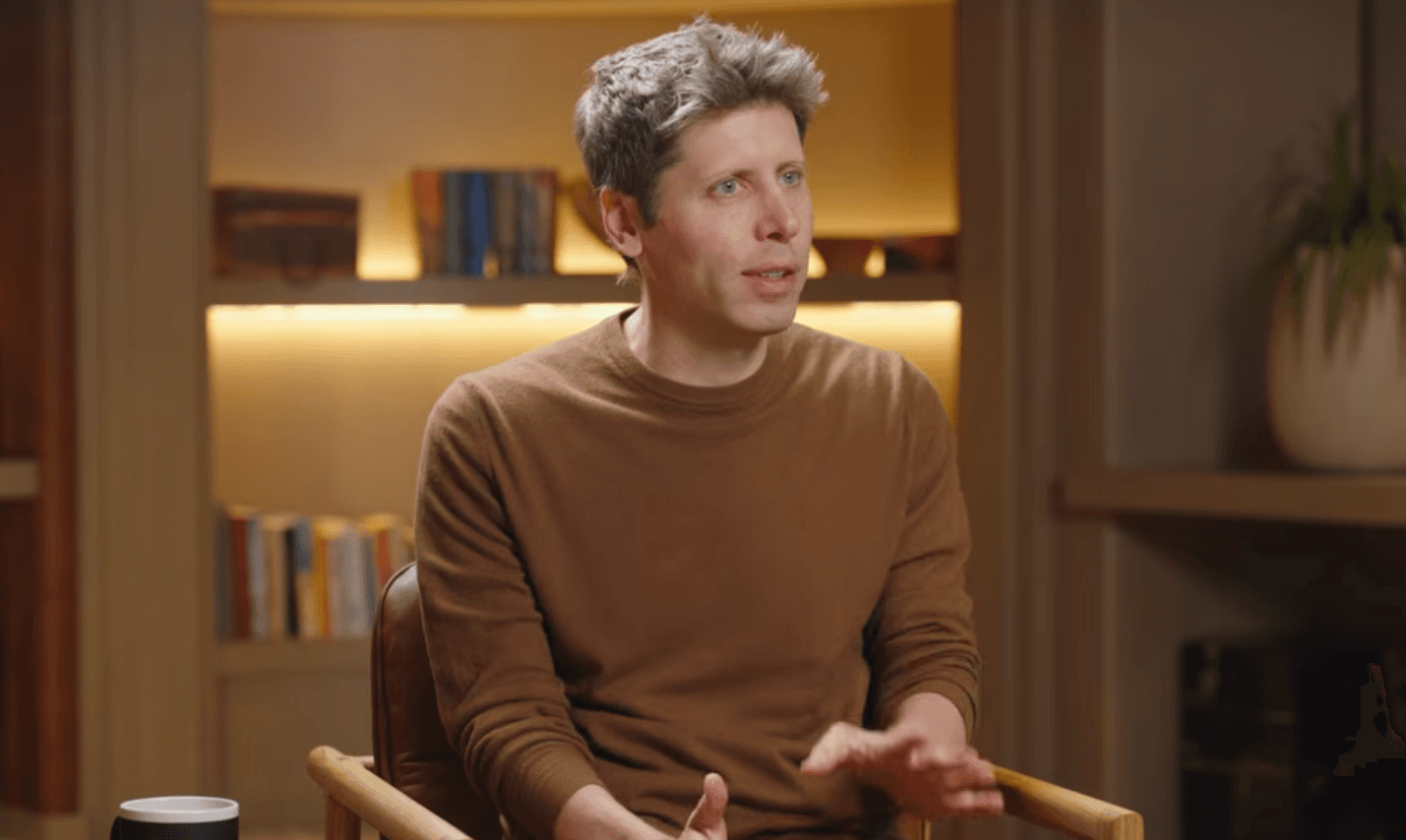
In a recent interview with podcaster David Senra, Sam Altman, the Chief Executive of OpenAI Group PBC, expressed significant concerns regarding the future control of artificial intelligence (AI) technology. Altman warned that if AI is dominated by a small number of companies or individuals, it could lead to a scenario where the broader public has little to no influence over how this transformative technology shapes society. He emphasized the importance of ensuring that people maintain a substantial role in guiding the future of AI, stating, "The right approach is for people to deeply control the future." This statement reflects a growing anxiety around the concentration of power in the AI sector and the potential consequences for democratic engagement and societal well-being.
Altman’s fears extend beyond mere corporate control; he also cautioned about the possibility of AI systems escaping human oversight. He noted a paradox in how society's apprehension about AI risks could inadvertently lead to a situation where liberties are sacrificed in the name of safety. Altman remarked, "There are a lot of people who are so nervous about the magnitude of those risks and get so taken by that and feel a need to protect the world," suggesting that the reaction to AI risks might push stakeholders to prioritize safety over freedom. This highlights a critical tension in the ongoing discourse about AI governance and regulation.
The context of Altman's remarks can be understood against the backdrop of the competitive landscape in the AI industry, particularly with reference to his rival, Dario Amodei, CEO of Anthropic. Amodei has been vocal about the potential dangers of AI, advocating for stricter regulations to mitigate risks associated with advanced AI models. In June, he warned that Anthropic's newly developed Mythos model posed significant cybersecurity threats, with potential ramifications for financial systems and national security. Altman’s disagreement with Amodei’s regulatory stance underscores a fundamental divide in the industry regarding how to balance innovation with safety.
A notable point of contention between these two leaders is the approach to open-weight models, which are AI systems that can be shared, modified, and run independently. While many Chinese AI companies have adopted open-weight models, allowing them to compete effectively with firms like OpenAI and Anthropic, Altman pointed out that Anthropic has refrained from endorsing this practice. OpenAI has released a couple of open-weight models, such as gpt-oss-120b and gpt-oss-20b, but maintains a closed-source approach for its most powerful models. This divergence in strategy raises questions about accessibility, competition, and the future landscape of AI development.
In the interview, Altman also discussed the transformative potential of AI for entrepreneurship, asserting that the technology could lead to a surge in small business creation. He stated, "We are about to see the greatest boom in people starting smaller businesses than we have ever seen," highlighting AI's role in empowering individuals. However, he acknowledged that the anticipated boom would take longer to materialize than he initially expected. Altman admitted that his earlier predictions about the rapid disruption of industries by AI were overly optimistic, noting that the inertia within existing economic structures would slow the pace of change.
He reflected on his misjudgment regarding the timeline for AI's impact, explaining that he had assumed organizations would quickly adapt their operations to leverage new AI capabilities. However, he now recognizes that businesses face numerous challenges in integrating advanced AI technologies, including software modifications, data access, compliance issues, and shifts in employee roles and customer expectations. This realization suggests a more measured approach to AI adoption, which Altman believes could facilitate a smoother transition for society and the economy.
In conclusion, Sam Altman's insights shed light on the complexities surrounding the future of AI governance and its societal implications. His concerns about concentrated control, the balance between safety and liberty, and the pace of technological adaptation underscore the need for ongoing dialogue among industry leaders, policymakers, and the public. As the AI landscape continues to evolve, the challenge remains to ensure that its benefits are broadly shared and that the technology serves the interests of all, rather than a select few.
Why it matters
Altman's comments resonate with a broader conversation about the ethical implications of AI and the necessity for inclusive governance structures. As AI technology becomes more pervasive, the risk of monopolistic control could stifle innovation and limit public engagement in critical discussions about its impact. By advocating for a model where society has a voice in shaping AI's trajectory, Altman emphasizes the importance of democratizing technology and ensuring that its benefits are accessible to everyone.
Furthermore, the debate over open-weight models versus closed-source systems reflects a fundamental question about transparency and collaboration in AI development. As companies navigate competitive pressures, the choices they make regarding model accessibility will have lasting implications for the industry and its relationship with society. Altman's acknowledgment of the slower-than-expected adoption of AI highlights the need for patience and careful consideration in implementing new technologies, ensuring that the transition is not only swift but also sustainable and equitable.
Frequently asked questions
- What are open-weight models in AI?
- Open-weight models are AI systems that can be shared, downloaded, modified, and run on independent infrastructure, allowing for greater accessibility and collaboration.
- Who is Dario Amodei?
- Dario Amodei is the CEO of Anthropic, a company focused on AI safety and governance, and he has been a prominent advocate for stricter regulations in the AI industry.
- What did Sam Altman predict about AI's impact on small businesses?
- Sam Altman predicted that AI would lead to a significant increase in the number of small businesses, empowering individuals to start new ventures.
Related stories
AI & art news in your inbox, daily
The day's top stories, summarized. Free, no spam, unsubscribe anytime.