
Rising AI Demand Drives Surge in Data Center Water Consumption, Reports Indicate
Naturalnews.com · View original source
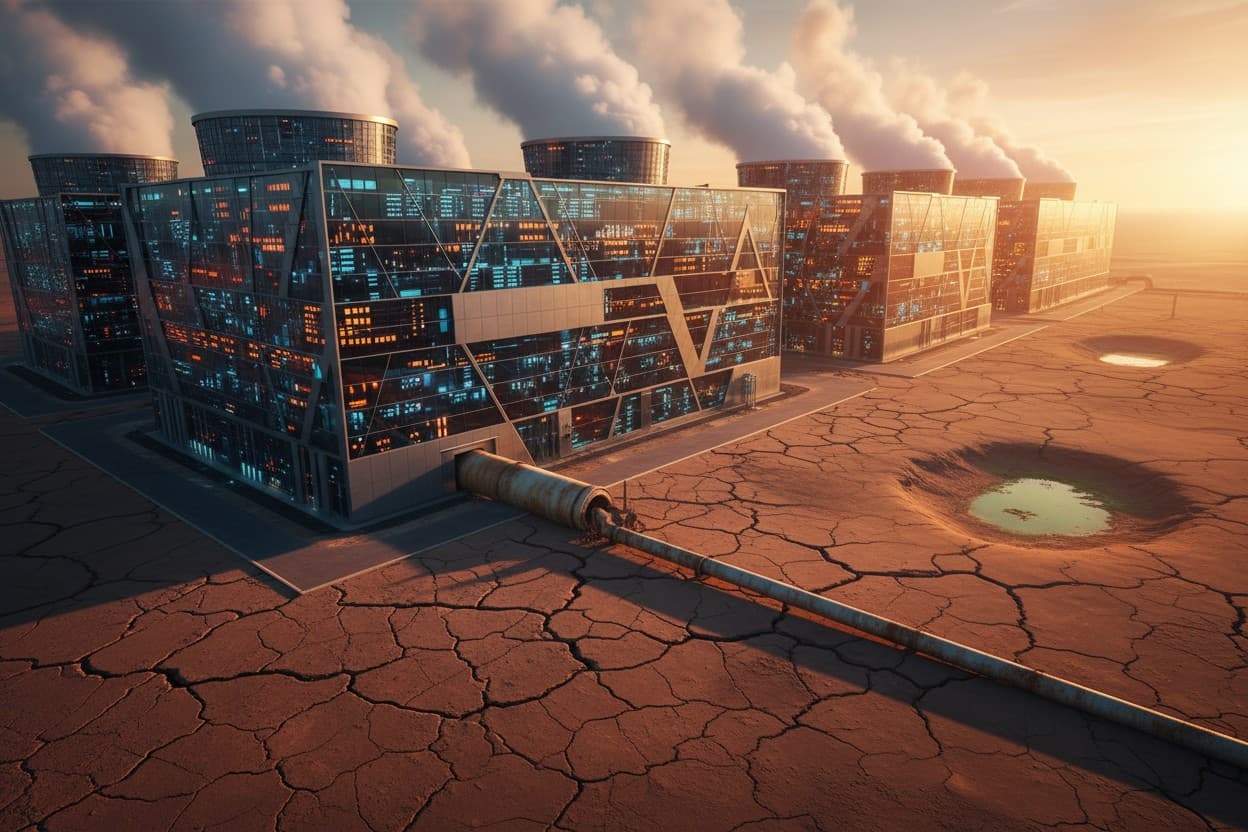
The surge in artificial intelligence (AI) workloads has led to a dramatic increase in water consumption by data centers across the United States, with annual usage nearing one trillion liters. This figure, highlighted by industry reports and investigative analyses, marks a significant rise from previous years, primarily driven by the cooling systems essential for maintaining optimal operating conditions for AI servers. As the demand for AI technology continues to escalate, the environmental implications of this growth are becoming increasingly apparent, particularly concerning water resources.
The Scale of Water Consumption
According to a report from NaturalNews.com, data centers in Central Texas alone consumed approximately 463 million gallons of water during the 2023-2024 period. This trend is part of a broader pattern, as the International Energy Agency (IEA) notes that data centers already consume around 415 terawatt-hours of electricity each year, with water demand following a similar upward trajectory. The Edison Electric Institute has pointed out that AI servers necessitate more intensive cooling due to their higher power densities, resulting in water usage that can strain local infrastructure.
Most data centers utilize evaporative cooling systems, which function by vaporizing water to dissipate heat. This method can lead to substantial daily water consumption, with some large facilities reportedly using millions of liters each day. A critical analysis titled "The Water Lie: Data Centers Are Selling Us" emphasizes that the true challenge lies not in annual consumption figures but in peak demand, which can overwhelm local water systems. The report argues that the stress placed on municipal water supplies is often underestimated, raising concerns about the sustainability of this approach.
Regional Impacts and Community Concerns
The expansion of data centers in water-stressed regions, such as Texas, has sparked significant concern among local officials and residents. With 84 data centers proposed or already built in the state, there is growing alarm over the allocation of water resources. Mayors across the United States have raised warnings that the proliferation of AI data centers could lead to blackouts and water shortages. This issue has fostered bipartisan opposition, with communities from Pennsylvania to California actively blocking or restricting new projects.
Environmental organizations have voiced their concerns about competing needs for water, as the same resources are vital for agriculture, households, and ecosystems. Reports indicate that some water resources are being illegally tapped without permits, resulting in reduced water pressure for nearby residents. As noted by author Marq de Villiers in his book "Water: The Fate of Our Most Precious Resource," water scarcity is a fundamental challenge that can exacerbate conflicts over resource usage.
Industry Responses and Future Outlook
In response to these challenges, several technology companies have announced initiatives to mitigate water consumption, such as utilizing recycled water or adopting liquid cooling systems. Major firms like Google and Amazon have released sustainability reports indicating that the rise of AI has made it more challenging to meet carbon reduction goals, with Google’s total emissions increasing by 25 percent and Amazon’s by 16 percent.
Despite pledges like the "Rate Payer Protection Pledge," which encourages companies to provide their own power for new AI data centers to avoid rising electricity costs, water consumption remains largely unaddressed. Experts such as Carrie Rich and Dean Fealk caution that while digital technologies can support sustainable development, infrastructure expansion must consider existing resource constraints.
Looking ahead, analysts predict that water usage by data centers will continue to grow in tandem with the expansion of AI technologies. United Nations Secretary-General António Guterres has called for AI companies to disclose their environmental impacts and commit to renewable energy sources for powering data centers. However, compliance with such recommendations remains voluntary in most jurisdictions.
In Texas, a law enacted in 2023 requiring data centers to report their water usage has seen limited adherence, with state officials acknowledging a lack of enforcement power. The ongoing conflict between rapid AI infrastructure development and local resource limitations is likely to intensify, prompting communities and regulators to seek greater oversight and accountability.
Why it matters
The escalating water consumption by data centers highlights a critical intersection of technology and environmental sustainability. As AI continues to reshape industries and consumer behavior, the demand for resources such as water must be carefully managed to prevent adverse impacts on local communities and ecosystems. The ongoing dialogue between industry leaders, policymakers, and environmental advocates will be essential in navigating these challenges and ensuring that technological advancements do not come at the expense of vital natural resources. The future of AI infrastructure will depend not only on innovation but also on a commitment to sustainable practices that prioritize the health of our planet and its inhabitants.
Frequently asked questions
- What is driving the increase in water consumption by data centers?
- The increase in water consumption by data centers is primarily driven by the cooling requirements of artificial intelligence servers, which operate at higher power densities and require more intensive cooling systems.
- How are local communities responding to the expansion of data centers?
- Local communities are expressing concern over water resource allocation, with some regions blocking or restricting new data center projects due to fears of water shortages and blackouts.
- What measures are being taken by tech companies to address water consumption?
- Tech companies are exploring solutions such as using recycled water and adopting liquid cooling systems to mitigate water consumption, although these efforts have not fully addressed the broader environmental impacts.
Related stories
AI & art news in your inbox, daily
The day's top stories, summarized. Free, no spam, unsubscribe anytime.