
Preview tool helps makers visualize 3D-printed objects
Mit.edu · View original source
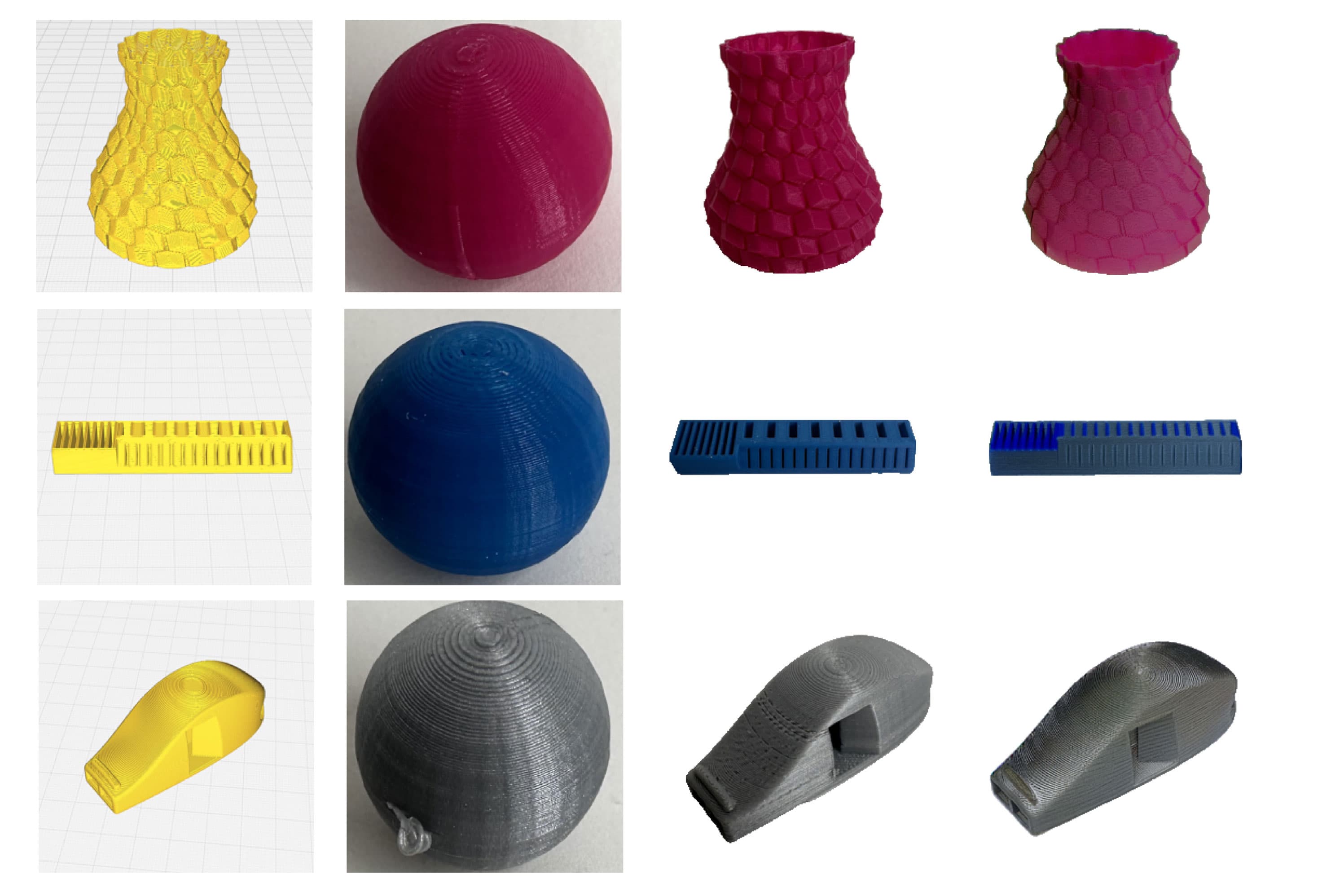
In a significant advancement for the 3D printing community, researchers from MIT and other institutions have developed VisiPrint, a new preview tool that prioritizes the aesthetic appearance of 3D-printed objects. This innovative system allows designers and makers to visualize how their creations will look before they are printed, addressing a common issue where the final product often deviates from the user's expectations in terms of color, texture, and overall appearance. By focusing on visual fidelity, VisiPrint aims to reduce the time, effort, and materials wasted in the prototyping process.
Traditionally, most 3D printing software has concentrated on the functional aspects of objects, leaving users to grapple with the potential discrepancies in the visual outcome. This limitation can lead to multiple reprints, which not only consumes resources but also contributes to environmental waste. According to estimates, as much as a third of the material used in 3D printing can end up in landfills due to discarded prototypes. By creating a tool that emphasizes appearance, VisiPrint seeks to streamline the design process and enhance sustainability in 3D printing.
How VisiPrint Works
VisiPrint operates by allowing users to upload a screenshot of their 3D design from slicer software, along with an image of the material intended for printing. The system utilizes artificial intelligence to generate a rendering that predicts the final appearance of the printed object. This is particularly useful in fields such as dentistry and architecture, where visual accuracy is critical. For instance, in dentistry, clinicians can ensure that temporary crowns and bridges match the color and texture of a patient's natural teeth, while architects can evaluate the visual impact of their models more effectively.
The development of VisiPrint involved addressing the complexities of fused deposition modeling (FDM), the most prevalent type of 3D printing. FDM involves melting filament material and depositing it layer by layer, a process that can alter the appearance of the final product. To overcome these challenges, VisiPrint employs two AI models that work in tandem. The first model extracts essential features from the material sample, while the second generative model computes the object's geometry and structure, factoring in the specific slicing pattern used during printing.
A key aspect of VisiPrint's functionality is its conditioning method, which fine-tunes the model to accurately reflect the slicing pattern and the constraints inherent in the 3D printing process. This method incorporates a depth map to maintain the shape and shading of the object, alongside an edge map that captures internal contours and structural boundaries. The careful combination of these elements ensures that the generated previews are both visually accurate and representative of the intended design.
User Experience and Future Directions
The VisiPrint interface is designed for ease of use, allowing users to upload images and quickly generate previews. Advanced users can also modify various settings to see how different colors might influence the final appearance. In user studies, participants reported that VisiPrint provided superior visual quality and textural similarity compared to other existing methods, with an average processing time of about one minute—more than twice as fast as competing systems.
While VisiPrint excels in providing aesthetic previews, it is important to note that it does not assess printability or mechanical feasibility. As the researchers continue to refine the tool, they aim to address potential artifacts that may arise when dealing with intricate details and to introduce features that allow users to optimize additional aspects of the printing process beyond color.
The development of VisiPrint represents a significant step towards achieving what is often referred to as 'What You See Is What You Get' (WYSIWYG) in 3D printing, a concept that has revolutionized desktop publishing. By enhancing the ability to visualize printed objects before they are created, VisiPrint not only improves the user experience but also contributes to more sustainable practices in the 3D printing industry.
As the field continues to evolve, the integration of AI with physical fabrication processes like 3D printing holds great promise for reducing waste and improving design accuracy. The research team, including electrical engineering and computer science graduate students and faculty from MIT and Princeton University, is excited about the future potential of VisiPrint and its applications across various industries.
In conclusion, VisiPrint is a groundbreaking tool that addresses a critical gap in the 3D printing workflow, enabling creators to visualize their designs more accurately and efficiently while promoting sustainability in the prototyping process.
Frequently asked questions
- What is VisiPrint?
- VisiPrint is a preview tool developed by researchers from MIT that focuses on the aesthetic appearance of 3D-printed objects, allowing users to visualize how their designs will look before printing.
- How does VisiPrint improve the 3D printing process?
- VisiPrint improves the 3D printing process by generating accurate visual previews that help users avoid discrepancies in color and texture, thereby reducing the number of reprints and material waste.
- What technology does VisiPrint use?
- VisiPrint uses two artificial intelligence models that work together to extract features from material samples and compute the geometry and structure of the object, incorporating the specific slicing pattern used in 3D printing.
Related stories
AI & art news in your inbox, daily
The day's top stories, summarized. Free, no spam, unsubscribe anytime.