
Pinoy creator Vee Camallere showcases CapCut Director Mode for AI filmmaking in Singapore
Philippine Star · View original source
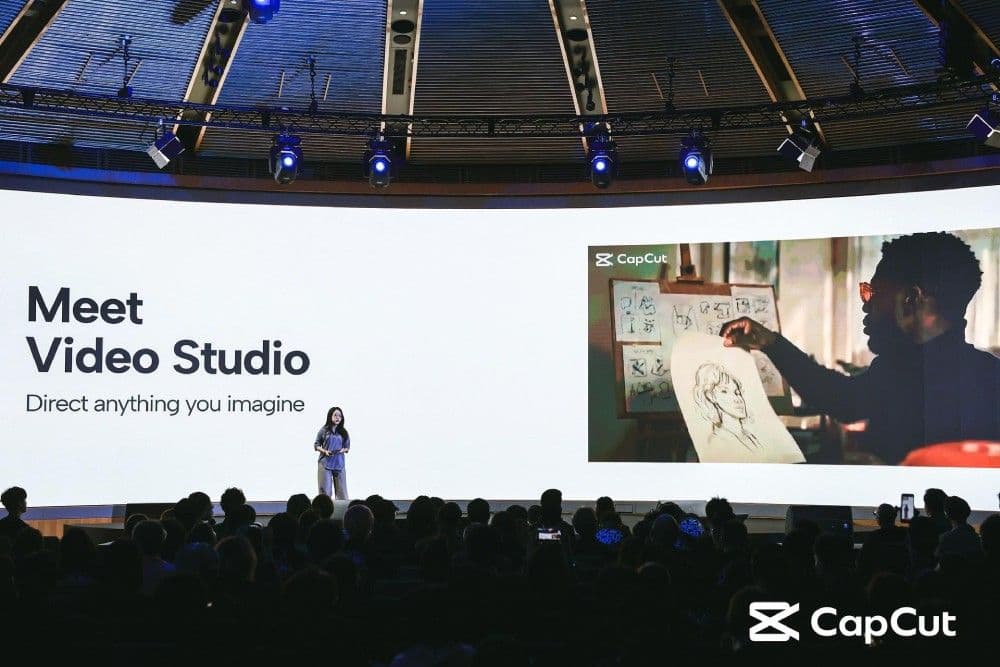
In a significant showcase of innovation in AI filmmaking, Vee Camallere, a web developer from the Philippines, demonstrated CapCut's Director Mode at CapCut World in Singapore. This advanced feature within CapCut Video Studio aims to streamline the complex process of creating episodic narratives by integrating various stages of production into a single, cohesive platform. By utilizing this tool, creators can effectively manage the intricacies of storytelling, from script development to final editing, all while maintaining creative control over their projects.
The Evolution of AI Filmmaking
AI filmmaking encompasses a broad range of activities that extend beyond merely generating video clips. For creators engaged in developing episodic stories, the production process necessitates a well-structured script, recurring characters, consistent environments, shot planning, and final editing. Traditionally, these steps are often carried out using disparate tools, leading to a cumbersome workflow where creators must transfer files, rebuild sequences, and manage assets across multiple platforms.
At CapCut World Singapore, CapCut unveiled its innovative solution: CapCut Video Studio, a web-based AI video workspace designed specifically for long-form storytelling. The platform's core workflow is built on an infinite canvas, providing an editing timeline that facilitates the final production stages. The introduction of Director Mode marks a significant advancement, as it combines an AI Agent, a built-in storyboard, leading image and video models, editing tools, and reusable Skills, all within a single project framework.
Vee Camallere's work exemplifies the potential of this integrated approach. She has developed a successful AI series titled Featherweight, which has garnered over 25 million views across various platforms. The series features recurring characters, interconnected episodes, and two distinct timelines, showcasing the production demands inherent in serialized AI storytelling. During her presentation at CapCut World, Vee utilized a 30-second trailer from Featherweight to illustrate how Director Mode facilitated her creative process from the initial concept to the final edit.
Streamlining the Production Process
Vee's journey began with a straightforward premise: an investigator named Daisy embarks on a case that leads her back to her college years and a figure from her past. By entering this premise directly onto the Video Studio canvas, Vee engaged with the AI Agent, leveraging language models such as GPT and Gemini to develop critical elements of the narrative. This interactive dialogue allowed her to make decisions regarding the pacing of the story, the placement of college memories, and the moment Daisy realizes the case has become personal.
The AI Agent not only posed follow-up questions but also organized Vee's narrative choices into a structured three-act outline. This conversational approach empowered Vee to maintain control over her story's development while ensuring that the script remained integrated with the visual assets and production materials utilized in later stages.
One of the central challenges in AI filmmaking is maintaining character and environmental consistency throughout scenes and episodes. For Featherweight, it was essential for viewers to recognize Daisy across both the current investigation and the college-memory sequences. To address this, Vee provided the AI Agent with a detailed character profile for Daisy, encompassing her appearance and narrative role. This profile highlighted the character's complexity, portraying her as a sharp and driven investigator who is still burdened by her past.
Using advanced image models within Video Studio, Vee generated a comprehensive character sheet for Daisy, refining it through ongoing conversations with the AI Agent. Once finalized, Daisy was saved as a character asset, allowing her and the other characters in the series to remain consistent across various scenes without the need for reconstruction.
Similarly, Vee provided notes for key locations, such as the police headquarters and college campus, enabling the AI Agent to develop these environments from multiple perspectives. After generating detailed layouts, Vee made adjustments to elements like lighting and layout before saving each environment for ongoing use.
With the script, characters, and environments prepared, Vee directed the AI Agent to transform these assets into shots. Video Studio generated a storyboard that organized the narrative into scenes, complete with production details such as shot types and dialogue. This storyboard became a dynamic directing space, allowing Vee to rearrange shots and modify scenes without disrupting the overall sequence.
Why it matters
The implications of CapCut's Director Mode for creators and technologists are profound. By integrating various stages of production into a single platform, CapCut Video Studio reduces the need for creators to switch between multiple tools, thereby streamlining the workflow. This efficiency not only accelerates the production process but also allows creators like Vee to devote more time to refining their narratives and characters. Vee noted, "AI definitely helps me work faster, but what matters is the time it gives me back," emphasizing the value of reclaimed time for creative exploration.
Moreover, the ability to save prompts, visual treatments, and production methods as reusable Skills enhances the creative process, enabling creators to build upon established techniques and maintain continuity in their work. The inclusion of a library of official Skills for tasks such as copywriting and storyboarding further supports creators in areas where they may lack experience, democratizing access to advanced production capabilities.
As AI continues to evolve within the creative landscape, tools like CapCut Video Studio represent a significant step toward empowering creators to harness technology effectively in their storytelling endeavors. The CapCut World event, which concluded in Singapore, is part of a global series that will continue in Los Angeles and London, highlighting the growing interest in AI-driven creative solutions.
Ultimately, Vee Camallere's experience with CapCut's Director Mode illustrates the potential for AI to transform the filmmaking process, making it more accessible and efficient for creators across various backgrounds. By merging technology with storytelling, CapCut is paving the way for a new era of creative expression in the digital age.
Frequently asked questions
- What is CapCut's Director Mode?
- Director Mode is an advanced feature within CapCut Video Studio designed for film and drama production, integrating various production stages into a single workspace.
- How does AI assist in filmmaking?
- AI assists in filmmaking by streamlining processes such as script development, character consistency, and shot planning, allowing creators to focus more on storytelling.
- What is the significance of Vee Camallere's work?
- Vee Camallere's work with her AI series Featherweight demonstrates the practical application of AI tools in creating episodic narratives, showcasing the potential for innovation in storytelling.
Related stories
AI & art news in your inbox, daily
The day's top stories, summarized. Free, no spam, unsubscribe anytime.