
OpenAI data centre chief Chris Malone exits as executive departures mount, US backlash over AI infrastructure grows
Livemint · View original source
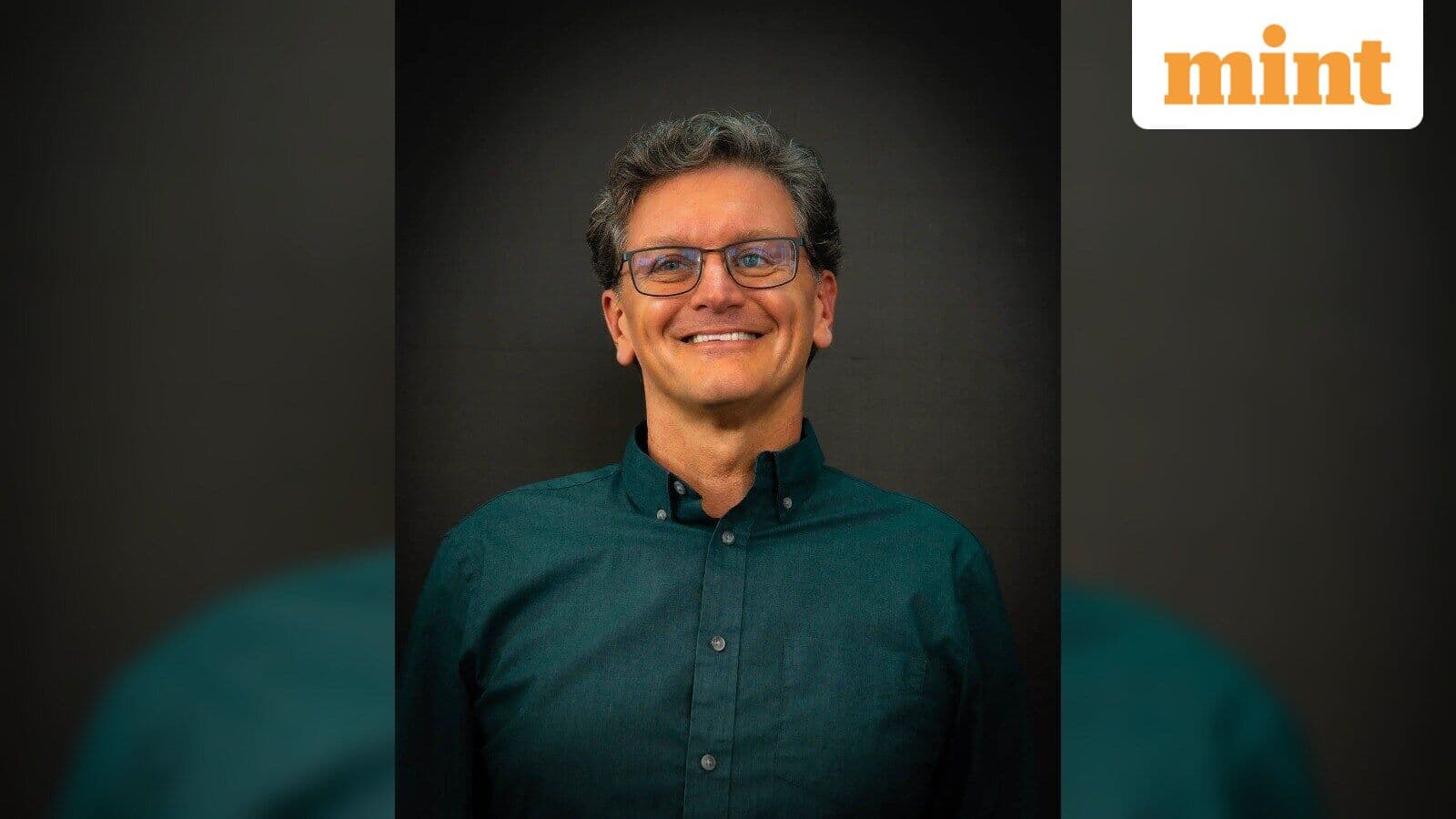
In a significant development for OpenAI, Chris Malone, the head of the company's data centres, has departed from his role, contributing to a growing trend of executive exits within the organization. This comes as OpenAI gears up for a potential initial public offering (IPO) valued at $852 billion, raising concerns among investors about the stability and direction of the company amidst these leadership changes.
Malone's tenure at OpenAI began in March 2025, and he has now left after just one and a half years. His background includes experience at other major technology firms such as Meta and Google, indicating a strong pedigree in the tech industry. In response to Malone's departure, an OpenAI spokesperson emphasized the company's robust data center team, stating, "We have a strong, deeply experienced data center team in place, with clear leadership and the technical expertise to execute our plans." This suggests that while Malone's exit may be notable, the company believes it has the necessary infrastructure to continue its operations effectively.
Malone is not the only executive to leave OpenAI recently. Earlier this month, Brad Lightcap, a long-serving executive, announced his departure to pursue a new project. Additionally, Denise Dresser, who headed the company's revenue efforts, also revealed her exit after less than a year in her position. In July, Fidji Simo, OpenAI's product and business chief, stated she would step down to manage a chronic illness. Earlier in April, four other senior leaders had already left the company, signaling a broader trend of turnover at the top levels of OpenAI.
The frequency of these departures has raised eyebrows among investors, particularly as the company prepares for a significant IPO. However, OpenAI President Greg Brockman attempted to downplay the situation in a recent interview with CNBC, asserting that such exits are not unusual in high-profile organizations. "I actually think that the difference between OpenAI and other organizations is that we are so much in the spotlight, so every departure gets scrutinized in a way that it doesn’t otherwise," Brockman explained. This perspective suggests that while the departures may appear alarming, they may not necessarily indicate deeper issues within the company.
Adding to the complexity of OpenAI's situation is the growing scrutiny of AI infrastructure in the United States. Data centers, which are crucial for supporting AI technologies, are facing backlash in various states due to their substantial water consumption. This concern has been highlighted by the National Republican Senatorial Committee (NRSC), which recently labeled data centers as a 'sleeper issue' in the upcoming midterm elections. Ohio has emerged as a focal point, with Democratic candidate Sherrod Brown making his opposition to data centers a central theme of his campaign.
The NRSC's memo cautioned that if public perceptions regarding data centers are not addressed promptly, the backlash could spread beyond Ohio, indicating a potential political challenge for the industry. This situation underscores the intersection of technology and public policy, as concerns about resource usage and environmental impact become increasingly relevant in political discourse.
Why it matters
The departure of Chris Malone and other executives from OpenAI raises important questions about leadership stability in a company poised for significant growth through its IPO. For creators and technologists, these changes may signal a shift in the company's strategic direction, which could impact ongoing projects and collaborations. The emphasis on maintaining a strong data center team suggests that OpenAI is focused on operational continuity, but the high-profile nature of these exits may lead to uncertainty within the tech community.
Moreover, the backlash against data centers highlights a growing awareness of the environmental implications of AI infrastructure. As creators and technologists continue to innovate in the AI space, they must also consider the sustainability of their operations. The political ramifications of public sentiment towards data centers could influence funding, regulatory frameworks, and the overall landscape for AI development in the United States.
In conclusion, while OpenAI navigates the challenges of executive turnover and public scrutiny, the implications of these developments extend beyond the company itself. They reflect broader trends in the tech industry regarding leadership, sustainability, and the intersection of technology with societal concerns, which creators and technologists must remain cognizant of as they forge ahead in their work.
Frequently asked questions
- Why did Chris Malone leave OpenAI?
- Chris Malone left OpenAI after one and a half years in his role, contributing to a series of executive departures as the company prepares for a potential IPO.
- What are the concerns regarding data centers in the US?
- Data centers are under scrutiny for their significant water consumption, leading to political backlash in several states, particularly Ohio.
- How is OpenAI addressing the executive departures?
- OpenAI has stated that it has a strong data center team in place with clear leadership and technical expertise to continue executing its plans.
Related stories
AI & art news in your inbox, daily
The day's top stories, summarized. Free, no spam, unsubscribe anytime.