
Nvidia's HVDC shift could reshape data center power chains worldwide
Digitimes · View original source
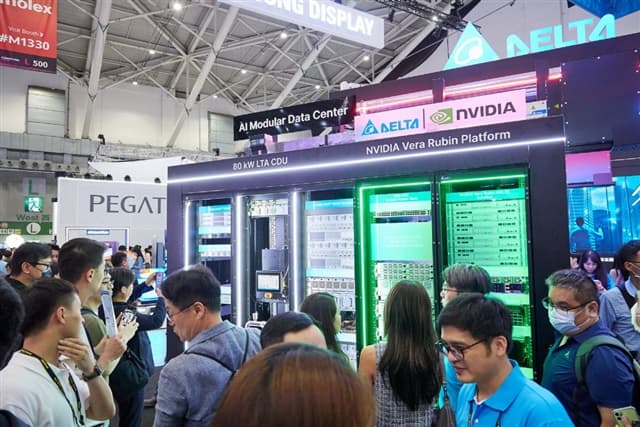
Nvidia's recent transition towards high-voltage direct current (HVDC) power systems marks a significant shift in the infrastructure of artificial intelligence (AI) data centers. This strategic move is poised to reshape the way global servers are constructed and powered, with an emphasis on reducing energy losses and enhancing overall efficiency. As the demand for AI capabilities continues to surge, the implications of this shift are profound, prompting a reevaluation of existing power chains in data centers worldwide.
The adoption of HVDC systems represents a departure from traditional alternating current (AC) power systems, which have been the standard in data center operations. HVDC technology allows for the transmission of electricity at higher voltages over long distances with reduced energy loss, making it particularly advantageous for large-scale operations like data centers. By minimizing energy losses during transmission, Nvidia aims to improve the efficiency of its AI data centers, which are known for their significant energy consumption due to the intensive computational tasks they perform.
The Technical Shift to HVDC
High-voltage direct current systems operate by converting AC power into DC power, which can then be transmitted at higher voltages. This conversion process, while complex, enables more efficient power distribution, especially in environments that require substantial energy resources, such as AI data centers. The benefits of HVDC systems are particularly relevant in the context of AI, where the computational demands are rapidly increasing, necessitating more robust and efficient power solutions.
Nvidia's move to HVDC is not merely a technical upgrade; it signifies a broader industry trend towards optimizing energy use in data centers. As AI technologies evolve and expand, the infrastructure supporting them must also adapt to meet the growing energy demands without compromising efficiency. The transition to HVDC could set a precedent for other companies in the tech sector, encouraging them to explore similar advancements in their power systems.
Why it matters
The implications of Nvidia's shift to HVDC power systems extend beyond technical enhancements; they also raise important questions about sustainability and energy consumption in the tech industry. As data centers are notorious for their high energy usage, the introduction of more efficient power systems could contribute to reducing the carbon footprint of AI technologies. This is particularly critical as businesses and consumers alike become increasingly aware of the environmental impact of their digital activities.
For creators and technologists, this shift could lead to new opportunities and challenges. On one hand, the improved efficiency of data centers may lower operational costs, potentially enabling more innovation and experimentation in AI development. On the other hand, the transition to HVDC may require a reevaluation of existing infrastructure and investment in new technologies, which could pose challenges for smaller companies or startups with limited resources.
Moreover, as Nvidia leads the charge in adopting HVDC for AI data centers, it may influence the broader market dynamics. Competitors may feel pressured to follow suit, leading to a ripple effect throughout the technology sector. This could accelerate the pace of innovation in power systems and energy efficiency, ultimately benefiting creators and consumers alike.
In conclusion, Nvidia's shift towards high-voltage direct current power systems is a pivotal development in the realm of AI data centers. By focusing on reducing energy losses and enhancing efficiency, Nvidia not only addresses immediate operational challenges but also sets the stage for a more sustainable future in technology. As the industry watches closely, the outcomes of this transition will likely shape the landscape of data center operations for years to come.
Frequently asked questions
- What is HVDC?
- High-voltage direct current (HVDC) is a technology that allows for the transmission of electricity at high voltages over long distances with reduced energy loss, primarily used in large-scale operations like data centers.
- Why is Nvidia shifting to HVDC?
- Nvidia is shifting to HVDC to cut energy losses and improve efficiency in its AI data centers, which are known for their high energy consumption.
- What are the implications of this shift for the tech industry?
- The implications include potential reductions in operational costs for data centers, increased sustainability, and a possible ripple effect prompting other companies to adopt similar technologies.
Related stories
AI & art news in your inbox, daily
The day's top stories, summarized. Free, no spam, unsubscribe anytime.