
Nobel laureate Daron Acemoglu's views on AI need to be debated, not brushed aside
Livemint · View original source
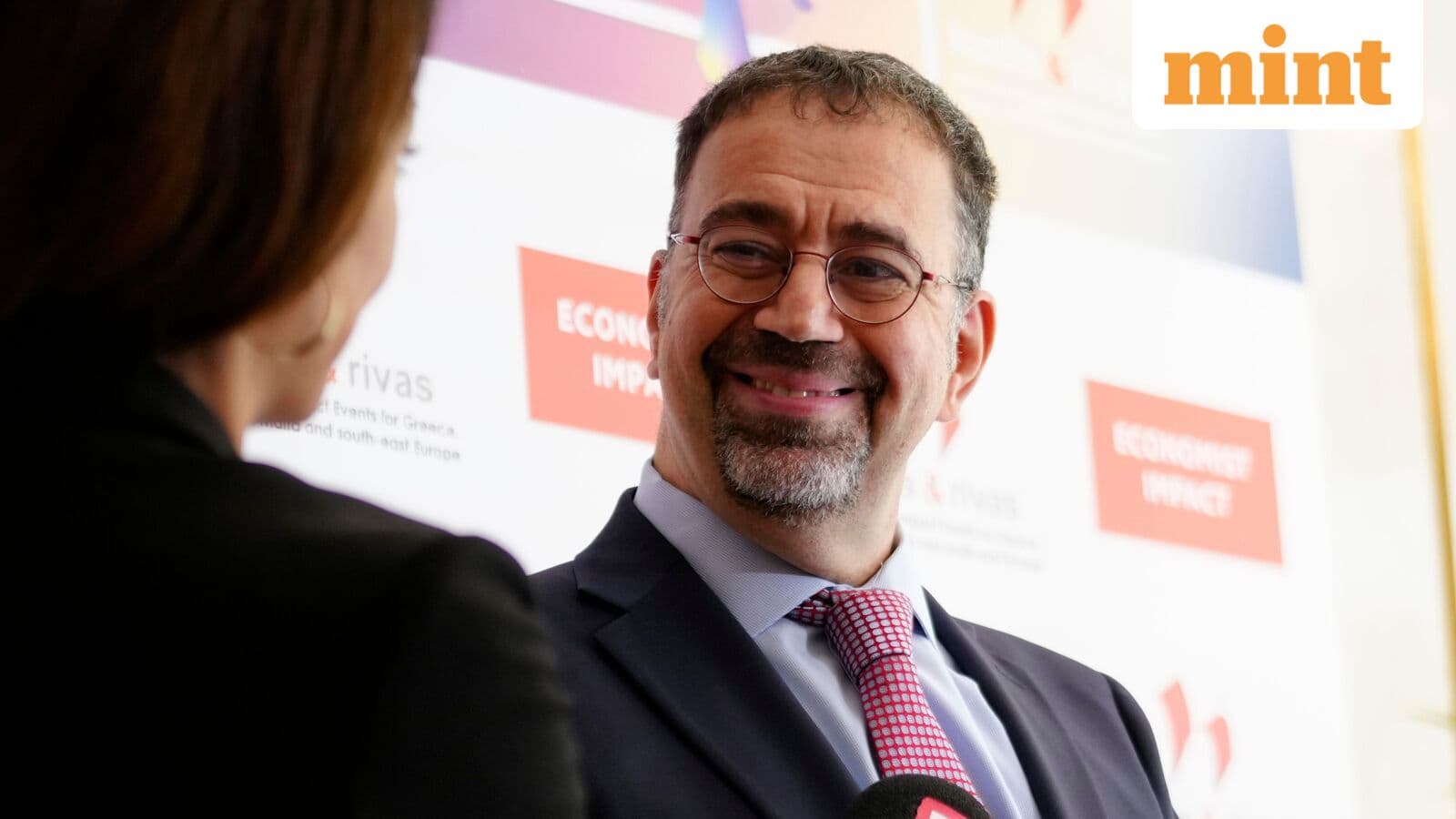
In a recent article published by The Economist, the work of Nobel laureate Daron Acemoglu has come under scrutiny, raising questions about the integrity of his academic contributions and the implications of his views on artificial intelligence (AI). Acemoglu, who received the Nobel Prize in 2024 alongside Simon Johnson and James A. Robinson, is known for his research linking institutions to long-term prosperity. However, The Economist’s portrayal of his work has sparked debate, suggesting that his insights into AI and its economic impacts may be overly pessimistic and based on questionable assumptions.
Acemoglu, a professor at the Massachusetts Institute of Technology (MIT), has been a vocal advocate for AI policies that prioritize job security, human welfare, and the principles of liberal democracy. His stance is likely at odds with the interests of prominent figures in the AI industry, such as Elon Musk and Mark Zuckerberg, who may view workers and democratic considerations as impediments to maximizing wealth and influence. The criticism directed at Acemoglu’s academic credentials, despite his extensive experience publishing in peer-reviewed journals for over three decades, raises concerns about the motivations behind such attacks.
While it is essential to engage critically with Acemoglu’s scholarship, the manner in which The Economist’s article shifts from evaluating his academic contributions to questioning his influence on AI policy is noteworthy. The article features unnamed economists who dismiss Acemoglu’s models as supporting failed populist policies, juxtaposed with praise for his genius from other sources. This structure suggests an underlying agenda to undermine Acemoglu’s authority in the ongoing discourse about AI’s societal implications.
The Stakes of the Debate
The article ultimately reveals the stakes involved in these academic disputes, particularly as Acemoglu expresses concern over AI’s potential effects on employment and democratic processes. This pivot from academic critique to the implications for public policy warrants greater attention, especially given The Economist’s established position on AI regulation. In a 2023 editorial, the publication advocated for a balanced approach to AI, rejecting both laissez-faire strategies and excessive precaution, while promoting a framework that allows for future regulatory development.
Acemoglu’s perspective diverges significantly from this mainstream view. Alongside his MIT colleagues, David Autor and Simon Johnson, he has argued that the trajectory of AI development is not predetermined by technology alone but is a matter of policy choice. Their 2023 initiative, termed the “pro-worker AI” program, aims to create a more equitable landscape by equalizing tax treatment for labor and technology, limiting workplace surveillance, amplifying workers’ voices, and investing in technologies that complement human skills. The subsequent 2026 program expands on these ideas, advocating for antitrust measures and intellectual property protections for workers’ expertise.
Acemoglu’s agenda challenges the prevailing narrative about who controls technological advancements and who benefits from them. By questioning the current trajectory of AI, he aims to ensure that the development of artificial intelligence enhances human capabilities rather than displacing them. This approach not only seeks safe AI but also strives to empower workers and the public in shaping the future of technology.
Implications for Creators and Technologists
The recent criticism of Acemoglu’s work and the broader implications for AI policy highlight the necessity for a robust and transparent debate surrounding the development of artificial intelligence. If dissenting voices like Acemoglu’s are marginalized through attacks on their academic credibility, the discourse surrounding AI’s future could become skewed, favoring the interests of powerful tech companies over those of workers and society at large.
The ideological implications of this situation are profound. If disagreements over Acemoglu’s policy recommendations devolve into personal attacks on his scholarship, it risks stifling the essential dialogue that must occur regarding the societal impacts of AI. The critical question at stake is whether AI policy should prioritize the needs of the companies developing the technology or empower workers and the broader public to influence what technologies are developed and how they are utilized.
In conclusion, the debate surrounding Daron Acemoglu’s views on AI is not merely an academic exercise; it is a pivotal discussion that could shape the future of work, democracy, and the ethical development of technology. Engaging with his ideas openly and honestly is crucial for ensuring that the benefits of AI are distributed equitably and that the voices of workers are heard in the conversation about the future of technology.
Frequently asked questions
- What are Daron Acemoglu's main arguments regarding AI?
- Acemoglu argues that AI development should prioritize job security and human welfare, advocating for policies that empower workers and promote democratic values.
- How does The Economist view Acemoglu's work?
- The Economist's recent article critiques Acemoglu's academic contributions, suggesting that his insights on AI are overly pessimistic and based on questionable assumptions.
- What is the significance of the debate over AI policy?
- The debate is significant because it determines whether AI development will prioritize the interests of technology companies or empower workers and the public in shaping technological advancements.
Related stories
AI & art news in your inbox, daily
The day's top stories, summarized. Free, no spam, unsubscribe anytime.