
Model Calls Out Fashion Brand For Plagiarizing Her Likeness With AI Photos In Controversial Ad
Boredpanda.com · View original source
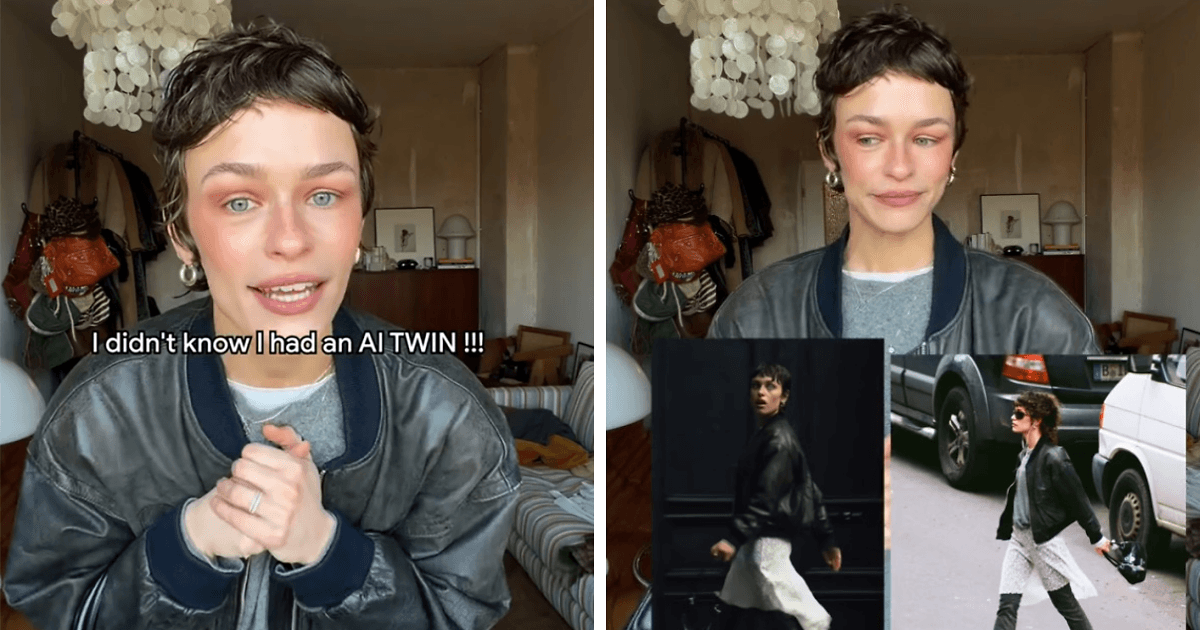
In a striking case that highlights the intersection of artificial intelligence and personal rights, influencer Melanie Kieback has publicly accused a fashion brand of using an AI-generated likeness of her in their advertising campaign. This incident, which occurred on February 25, has raised significant concerns about the ethical implications of using AI to replicate individuals without their consent.
Kieback, who is a Berlin-based photographer, blogger, and model with over 565,000 followers on Instagram, shared her allegations on social media, revealing that a friend had sent her an advertisement that felt eerily familiar. Upon closer inspection, Kieback noticed that the model in the ad bore a striking resemblance to her, wearing similar outfits and even showcasing updated features that mirrored her own, such as a modified hairstyle and facial characteristics.
In her video, Kieback presented side-by-side comparisons of herself and the AI-generated model, pointing out the similarities in their attire, which included black boots, gray jeans, a gray T-shirt, a white skirt, and a black jacket. She emphasized the accuracy of the AI model, noting that it had updated her hairstyle from a mullet to a more current look, and highlighted the likeness in their eye color, freckles, and even a distinctive bump on her nose. Kieback expressed her disbelief at the situation, stating, "What do you mean? This is wild."
In her post, Kieback remarked on the common saying that "imitation is the highest form of flattery," but she made it clear that she did not feel flattered by this particular instance. She argued that the normalization of such practices could have troubling implications for individuals' rights and identities in the digital age.
A Growing Trend
Kieback's experience is not isolated; it reflects a growing trend where content creators are increasingly finding themselves in similar situations. For instance, in April 2025, influencer Arielle Lorre accused the skincare brand Skaind of creating an AI-generated video that featured a model resembling her without her permission. Lorre shared that after contacting the brand, they apologized and explained that their marketing team had unknowingly used an AI platform to create the avatar. However, Lorre contested their defense, as the AI-generated video closely mirrored her podcast design and included personal elements from her life.
Similarly, in September 2025, cookbook author and food influencer Molly Baz accused Shopify of using an AI-altered image of her that bore a striking resemblance to her cookbook cover art. Baz expressed her discontent on social media, stating, "Shopify is using a s*cko AI version of me to sell its new website themes."
These incidents have sparked outrage among Kieback's followers, many of whom have urged her to take legal action against the fashion brand. Comments on her post included suggestions to publicly shame the brand, inquiries about legal recourse, and expressions of disbelief regarding the situation, with one user comparing it to an episode of the dystopian television series "Black Mirror."
Legal Implications
The legal landscape surrounding the use of AI-generated likenesses is still developing, but Kieback's situation has drawn attention to the potential for legal action under state right of publicity laws. One commenter, who identified as a lawyer and law professor, noted that because Kieback's claim involves commercial use in an advertisement, it presents a rare opportunity for legal recourse against the unauthorized use of her likeness.
Organizations like the Model Alliance, which advocates for workers' rights in the fashion industry, have also weighed in, reminding Kieback of her rights under the Fashion Workers Act and offering assistance. This situation underscores the need for clearer regulations and protections for individuals whose images and likenesses may be exploited by companies leveraging AI technology.
As the capabilities of AI continue to evolve, the implications for creators and technologists become increasingly complex. The ability to generate lifelike representations of individuals raises ethical questions about consent, ownership, and the commercialization of personal identities. Kieback's case serves as a crucial reminder of the importance of safeguarding individual rights in an age where technology can blur the lines between reality and artificiality.
In conclusion, the controversy surrounding Melanie Kieback and the fashion brand highlights the urgent need for dialogue and legislation regarding the use of AI in advertising and content creation. As more creators confront similar challenges, the conversation around rights, ethics, and the future of AI-generated content will only intensify.
Frequently asked questions
- What happened with Melanie Kieback and the fashion brand?
- Melanie Kieback accused an unnamed fashion brand of using an AI-generated lookalike of her in an advertisement, which she discovered through a friend's tip.
- Have other influencers faced similar issues with AI-generated images?
- Yes, influencers like Arielle Lorre and Molly Baz have also accused brands of using AI-generated likenesses without their consent.
- What legal protections exist for individuals against unauthorized use of their likeness?
- Individuals may have legal recourse under state right of publicity laws, particularly when their likeness is used for commercial purposes.
Related stories
AI & art news in your inbox, daily
The day's top stories, summarized. Free, no spam, unsubscribe anytime.