
LR, Samsung Heavy Industries, and CCEC form strategic alliance for floating data centers
Naftemporiki.gr · View original source
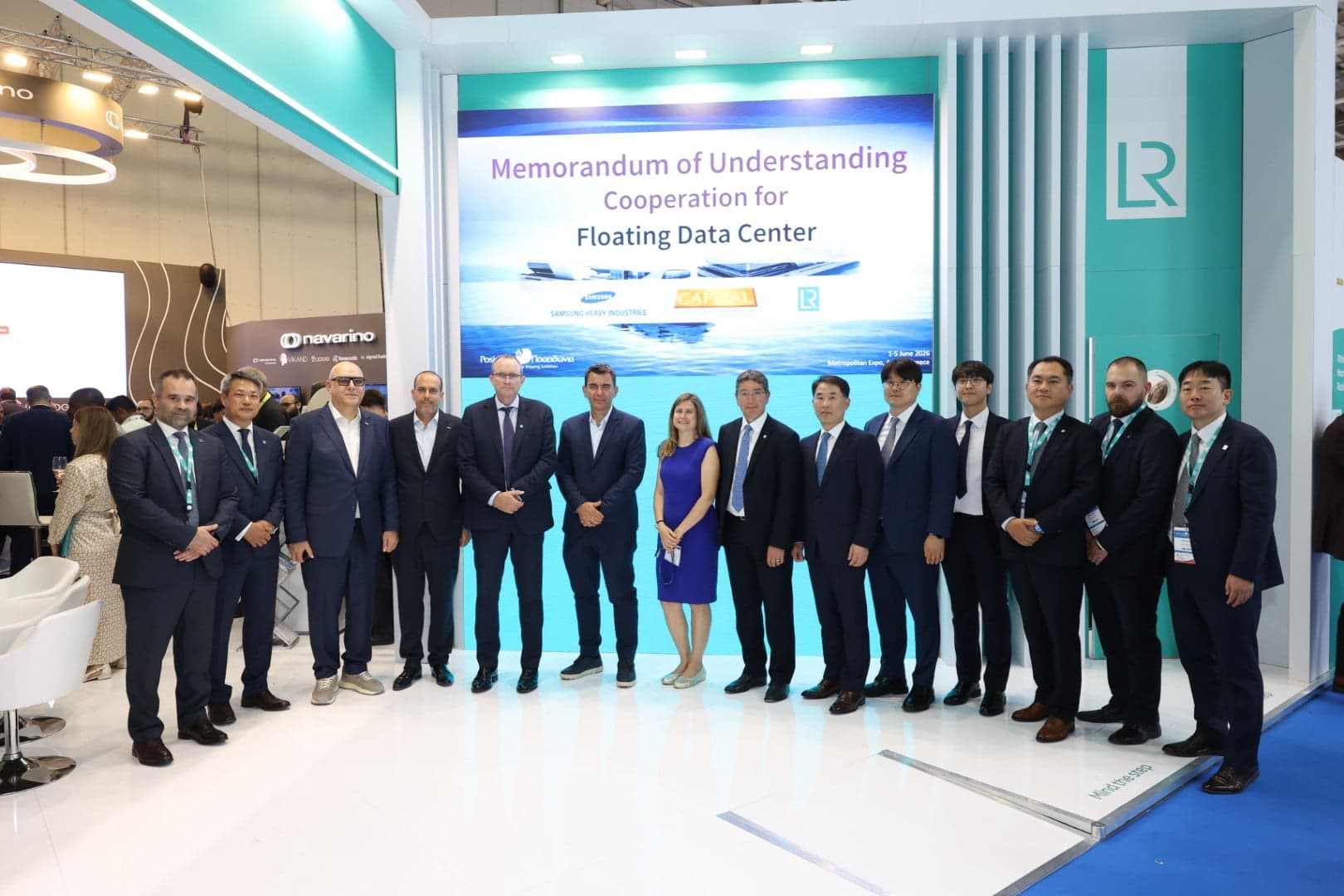
In a significant development for the intersection of maritime engineering and digital infrastructure, LR, Samsung Heavy Industries, and Capital Clean Energy Carriers Corp (CCEC) have formed a strategic alliance to create floating data centers. This partnership was unveiled at the Posidonia 2026 exhibition, underscoring the increasing demand for data driven by advancements in artificial intelligence (AI). The initiative aims to address the limitations of traditional onshore data centers by utilizing proven shipbuilding techniques to construct scalable offshore facilities.
The concept of floating data centers represents a novel approach to meeting the surging need for digital infrastructure. As AI technologies continue to evolve, the demand for computing power has escalated, placing significant pressure on existing onshore facilities. These conventional data centers often face constraints related to space, power supply, and cooling capabilities. By leveraging marine engineering principles, the floating data center project seeks to circumvent these challenges, providing a flexible and efficient alternative.
Technical Innovations in Floating Data Centers
The design of the floating data centers incorporates standardized shipbuilding processes, which are expected to streamline construction and reduce delivery times. This efficiency is critical in a landscape where rapid deployment of digital infrastructure is essential to keep pace with growing data needs. Moreover, the project includes an integrated power generation system, which aims to alleviate the burden on coastal power grids. By utilizing seawater for cooling, the floating data centers can maintain optimal operating temperatures without relying heavily on traditional cooling methods that consume significant energy.
LR's involvement in the project is pivotal, as the company provides technical assurance regarding the feasibility of Samsung Heavy Industries' design. This includes assessments of structural integrity, safety parameters, and the integration of onboard power generation capabilities. The collaboration between LR and Samsung Heavy Industries ensures that the floating data centers will adhere to applicable regulations and emerging industry standards, which is crucial for their successful implementation.
The partnership's vision is to build these floating data centers offshore, either in rivers or at sea. This strategic positioning not only bypasses the limitations of onshore facilities but also allows for greater adaptability in response to fluctuating demand for data services. The mobility of these centers is a unique advantage, enabling them to be deployed in locations where energy resources, connectivity, and demand converge most effectively.
Implications for the Future of Data Infrastructure
The implications of this partnership extend beyond just the technical aspects of floating data centers. As Jerry Kalogiratos, CEO of CCEC, articulated, this collaboration reflects a commitment to innovation at the nexus of maritime and digital infrastructure. The integration of AI into various sectors is driving an unprecedented demand for computing resources, and floating data centers could emerge as a viable solution to meet this need.
The scalability and flexibility of floating data centers position them as a forward-thinking response to the challenges posed by traditional data centers. By offering the ability to relocate based on demand and resource availability, these facilities could play a crucial role in shaping the future of data management and distribution. As the project progresses, it will be essential to monitor its development and the potential it holds for revolutionizing how digital infrastructure is conceived and constructed.
In conclusion, the strategic alliance between LR, Samsung Heavy Industries, and CCEC marks a pivotal moment in the evolution of data infrastructure. With the growing influence of AI on data demand, the introduction of floating data centers could redefine the landscape of digital services, offering a sustainable and innovative solution to meet the challenges of the future.
Frequently asked questions
- What are floating data centers?
- Floating data centers are offshore facilities designed to provide scalable digital infrastructure by utilizing marine engineering and shipbuilding methods.
- Why are floating data centers needed?
- They are needed to address the limitations of traditional onshore data centers, such as space, power supply, and cooling constraints, especially as demand for computing power grows.
- How do floating data centers cool their systems?
- Floating data centers use seawater for cooling, which is a more energy-efficient method compared to traditional cooling systems that rely heavily on electricity.
Related stories
AI & art news in your inbox, daily
The day's top stories, summarized. Free, no spam, unsubscribe anytime.