
LinkedIn cracks down on users posting ‘AI slop’ after previously encouraging it
SiliconANGLE News · View original source
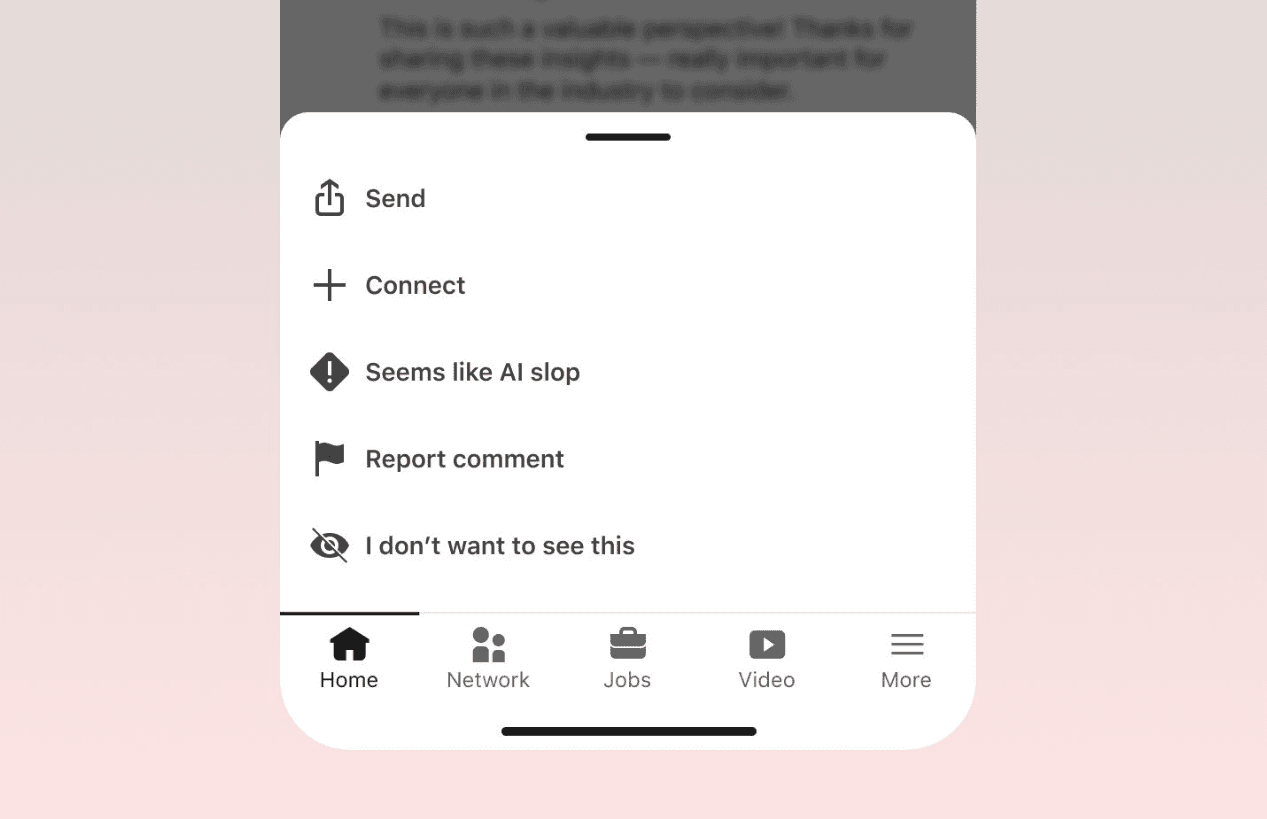
Microsoft Corp.'s LinkedIn is taking significant steps to address the proliferation of what has been termed "AI slop," a colloquial phrase referring to low-quality, artificial intelligence-generated content that has increasingly cluttered users' feeds. In a recent blog post, LinkedIn's Chief Product Officer, Hari Srinivasan, announced the introduction of a new feature allowing users to report posts that appear to be AI-generated with a button labeled "seems like AI slop." This feature is designed to empower users to flag questionable content and assist LinkedIn in refining its AI detection models, ultimately aiming to enhance the overall quality of content presented to users.
The new reporting button is accessible through the ellipsis menu on all LinkedIn posts and will soon extend to user comments. This initiative is part of a broader strategy to tackle the growing dissatisfaction among users regarding the authenticity of content on the platform. As AI-generated posts become more prevalent, platforms like LinkedIn are recognizing the need to maintain a community that values genuine human interaction and expertise.
In addition to the reporting feature, LinkedIn is also discontinuing its "enhance your post" button, which utilized AI to modify users' wording. This decision stems from the belief that such tools may have contributed to the rise of AI slop on the platform. Instead, users will now have the option to use AI solely for proofreading, ensuring that their original voice remains intact while still benefiting from grammatical and stylistic corrections.
The Rise of AI Slop
The term "AI slop" encapsulates a growing concern among users of various social media platforms, where the saturation of AI-generated content has led to frustrations about quality and authenticity. A recent study indicated that over half of all long-form posts on LinkedIn could be categorized as inauthentic or low-quality thought leadership, illustrating the scale of the issue. As users navigate their feeds, they are increasingly encountering content that lacks creativity and depth, which diminishes their overall experience on the platform.
Srinivasan's blog post emphasizes that addressing AI slop is a top priority for LinkedIn. He noted, "We really care about this. People come to LinkedIn to connect with real people and share their real perspectives, ideas, and expertise." This commitment reflects a growing trend among online platforms to combat the negative impact of AI-generated content, as evidenced by similar initiatives from other companies. For instance, Substack recently introduced a tool that allows readers to assess whether posts are likely AI-generated, in collaboration with Pangram Labs Inc., which has also secured $9 million in funding to tackle the influx of AI content online.
LinkedIn's approach to combating AI slop is multifaceted. Alongside the reporting button, the company is investing in automated defenses that utilize AI technology to block a significant number of automated comments daily. Furthermore, new classifiers are being developed to distinguish between AI-generated content and other forms of low-quality posts, thereby reducing the visibility of AI content from users outside of an individual's network. The reporting button will serve as one of several indicators that inform these classifiers, enhancing the platform's ability to curate high-quality content.
Another notable feature being introduced is a private flagging system for users who may be over-relying on AI in their content creation. This system aims to encourage users to refine their writing skills rather than penalize them for using AI tools. By providing feedback on perceived inauthenticity, LinkedIn hopes to foster a culture of genuine expression and creativity among its users.
Why it matters
The implications of LinkedIn's crackdown on AI slop extend beyond the platform itself, highlighting a critical conversation about the role of AI in content creation. For creators, this shift signals a potential reevaluation of how AI tools are used in the writing process. While AI can serve as a valuable resource for enhancing clarity and coherence, the emphasis on maintaining an authentic voice is paramount in a professional networking environment.
For technologists, LinkedIn's actions underscore the importance of developing sophisticated AI detection systems that can effectively differentiate between high-quality human-generated content and low-quality AI outputs. As the landscape of online content continues to evolve, the need for robust mechanisms to ensure quality and authenticity will only grow.
In conclusion, LinkedIn's proactive measures to combat AI slop reflect a broader recognition of the challenges posed by AI-generated content across various platforms. By prioritizing user experience and authenticity, LinkedIn aims to cultivate a community that values real connections and meaningful contributions, setting a precedent for other platforms grappling with similar issues.
Frequently asked questions
- What is 'AI slop'?
- 'AI slop' refers to low-quality, artificial intelligence-generated content that lacks authenticity and creativity, often cluttering social media feeds.
- How is LinkedIn addressing the issue of AI-generated content?
- LinkedIn is introducing a new button for users to report AI-generated posts and discontinuing its AI-enhancement feature to promote more authentic content.
- What are the implications of LinkedIn's crackdown on AI slop for content creators?
- Content creators may need to reevaluate their use of AI tools, focusing on maintaining their authentic voice while still benefiting from AI assistance.
Related stories
AI & art news in your inbox, daily
The day's top stories, summarized. Free, no spam, unsubscribe anytime.