
Jensen Huang says Nvidia will generate $1 trillion revenue through 2027 with AI chips — Key highlights from GTC 2026
Livemint · View original source
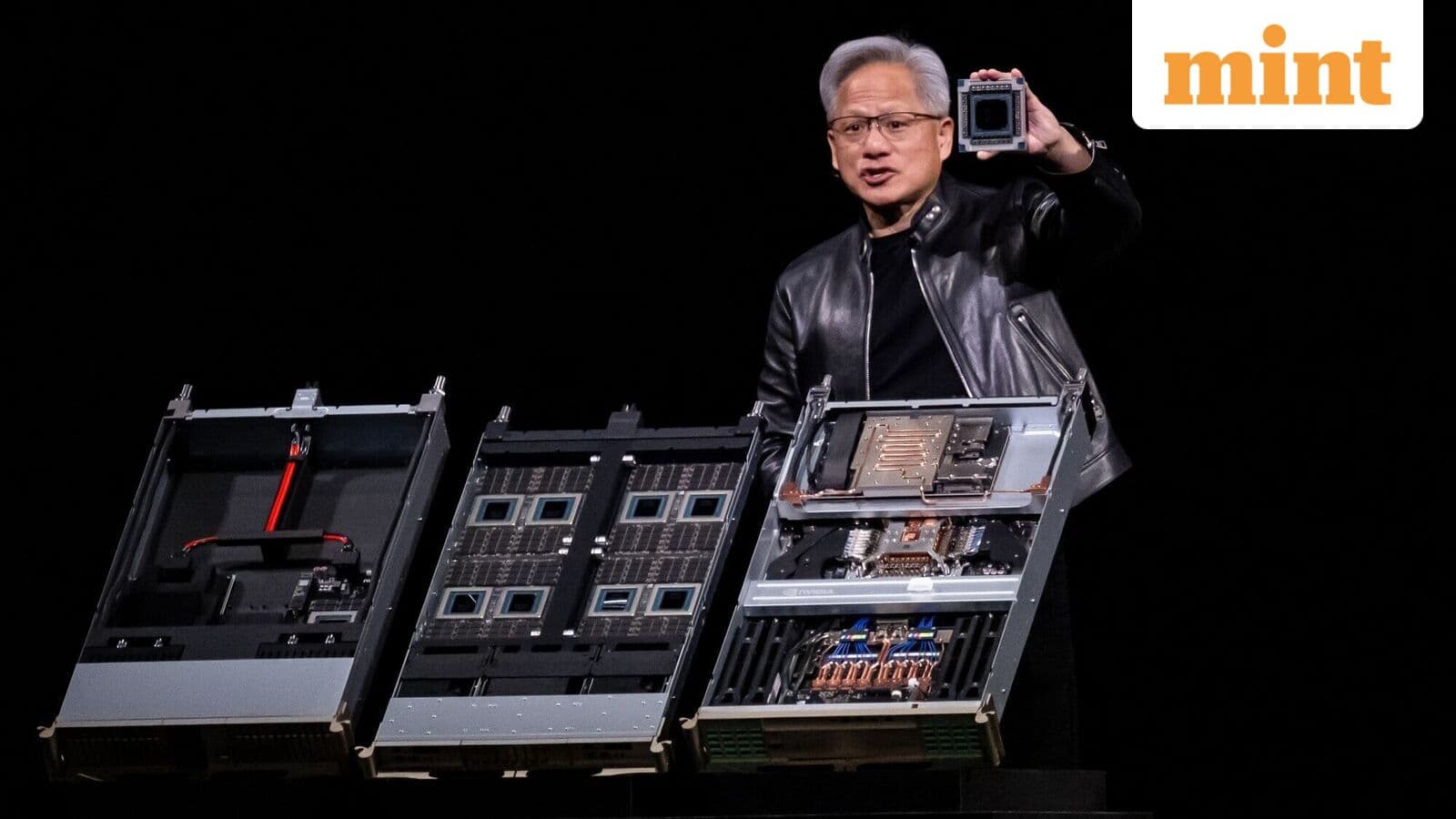
Nvidia's recent GTC event, held on March 16, showcased the company's ambitious plans for the future of artificial intelligence, with CEO Jensen Huang announcing a potential revenue target of $1 trillion from AI chip sales by 2027. This forecast comes at a time when the demand for AI technology is surging, reflecting a significant shift in the tech landscape. Huang's keynote address, which lasted nearly three hours, detailed Nvidia's strategy to solidify its position as a leader in the AI industry through advancements in hardware, software, and infrastructure.
During his address, Huang emphasized the staggering growth in computing demand, claiming that it has increased by a million times over the past two years. This assertion underscores the rapid evolution of AI applications and the vital role that Nvidia aims to play in this transformation. He noted that this dramatic rise in demand is a sentiment echoed by startups and industry players alike, indicating a widespread recognition of the AI boom.
Among the notable announcements was the introduction of the Nvidia Groq 3 Language Processing Unit (LPU), the first chip developed by a startup acquired by Nvidia in a $20 billion asset purchase last December. The LPU is designed to leverage Nvidia's existing GPU processing technology, with optimizations aimed at enhancing performance. Huang indicated that the LPU is expected to begin shipping in the third quarter of this year, marking a significant addition to Nvidia's product lineup.
Additionally, Huang unveiled plans for a new computer system named Vera Rubin Space One, which is set to operate in space and establish data centers beyond Earth. This innovative project involves collaboration with Starcloud, which is preparing for a satellite launch in November that will feature the new Nvidia module, highlighting the company's commitment to pushing the boundaries of technology.
Another major development presented at the GTC was the prototype for Kyber, Nvidia's upcoming rack architecture that promises to revolutionize data processing. The Kyber system is designed to accommodate 144 GPUs arranged vertically in compute trays, a configuration intended to enhance density and reduce latency. This design is expected to be implemented in Nvidia’s next rack-scale system, Vera Rubin Ultra, which is anticipated to ship in 2027.
On the automotive front, Huang provided updates on Nvidia’s partnership with Uber, revealing plans for a fleet of autonomous vehicles powered by Nvidia’s Drive AV software by 2028. This initiative will span 28 cities across four continents, with initial deployments in Los Angeles and San Francisco set for next year. Furthermore, Huang shared that several major automotive manufacturers, including Nissan, BYD, Geely, Isuzu, and Hyundai, are developing level 4 autonomous vehicles utilizing Nvidia’s Drive Hyperion platform. Isuzu and the Chinese company Tier IV are also collaborating to create autonomous buses based on this technology.
Nvidia's rapid technological advancements in recent years reflect its strategy to refresh its entire product lineup annually while continuously integrating new components. This approach positions the company to meet the escalating demands of the AI market and maintain its competitive edge.
Why it matters
The announcements made at Nvidia's GTC event signal a pivotal moment for both the company and the broader AI industry. The projected $1 trillion revenue from AI chips by 2027 not only underscores the immense market potential but also highlights the increasing reliance on AI technologies across various sectors. For creators and technologists, this presents both opportunities and challenges. The rapid evolution of AI capabilities could lead to new tools and applications that enhance creativity and productivity, but it also raises questions about the ethical implications of AI and the need for responsible innovation.
Huang's insights into the staggering growth of computing demand reflect a shift in how technology is perceived and utilized. As startups and established companies alike pivot towards AI, there is a growing need for robust infrastructure and support systems to facilitate this transition. The introduction of new hardware, such as the LPU and Kyber, indicates that Nvidia is not only responding to current demands but is also anticipating future needs in the AI landscape.
Moreover, Nvidia's ventures into space and autonomous vehicles exemplify the company's commitment to pioneering new frontiers in technology. These initiatives could inspire a wave of innovation across industries, encouraging collaboration and investment in AI-driven solutions. As the market evolves, creators and technologists must stay informed and adaptable to leverage the advancements that Nvidia and other industry leaders are making in the realm of artificial intelligence.
Frequently asked questions
- What is the Nvidia Groq 3 Language Processing Unit?
- The Nvidia Groq 3 Language Processing Unit (LPU) is a new chip developed by a startup acquired by Nvidia, designed to enhance performance using Nvidia's GPU processing technology.
- When is the Vera Rubin Space One expected to launch?
- The Vera Rubin Space One is set to go into space and start data centers, with its satellite launch planned for November.
- What is the significance of Nvidia's partnership with Uber?
- Nvidia's partnership with Uber aims to launch a fleet of autonomous vehicles powered by Nvidia’s Drive AV software by 2028, marking a significant step in the deployment of AI technology in transportation.
Related stories
AI & art news in your inbox, daily
The day's top stories, summarized. Free, no spam, unsubscribe anytime.