
Intel inks multiyear data center chip partnership with Google
SiliconANGLE News · View original source
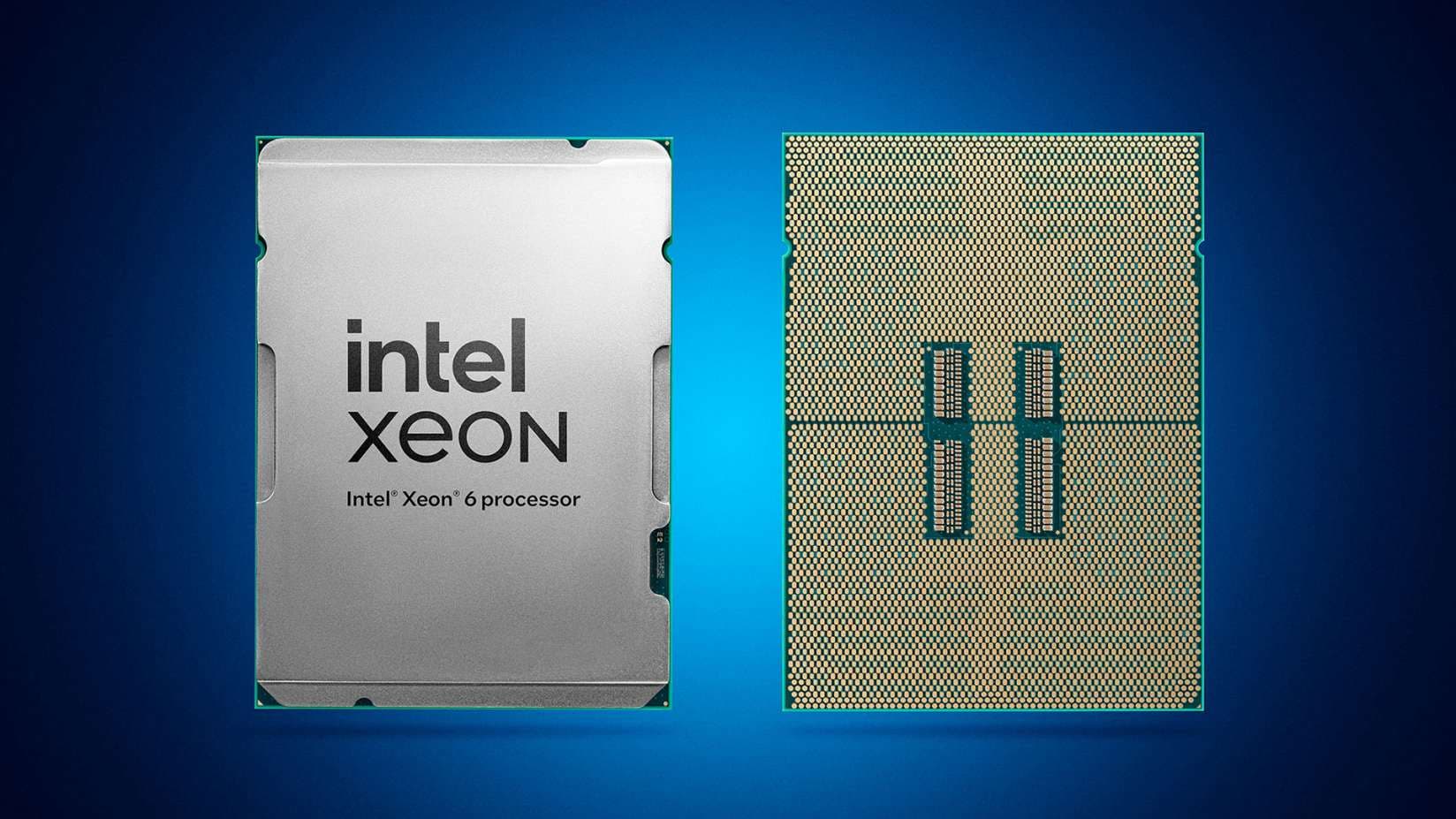
In a significant development for both the tech and cloud computing sectors, Google LLC has announced a multiyear partnership with Intel Corp. to adopt multiple future iterations of Intel's Xeon processor series. This collaboration aims to enhance Google Cloud's capabilities, particularly in powering artificial intelligence models and general-purpose workloads, marking a strategic move for both companies in an increasingly competitive landscape.
The partnership will see Google deploying Intel's Xeon chips within its cloud platform, which already utilizes the latest Xeon 6 series processors. Specifically, Google Cloud is leveraging the Xeon 6 for its C4 instances, a type of virtual machine that can achieve impressive performance metrics. The C4 instances can reach a maximum clock speed of 3.9 gigahertz when all CPU cores are active, and this frequency can rise to 4.2 gigahertz when only the fastest cores are utilized. This performance is critical for handling the demanding workloads associated with AI and other computational tasks.
Google's C4 instances specifically use a variant of the Xeon 6 known as Granite Rapids. This processor is built on a core design referred to as P-core, which includes several optimizations tailored for artificial intelligence applications. One notable feature is the Advanced Matrix Extensions (AMX), which enhances the chip's ability to perform a calculation known as multiply-accumulate. This operation is frequently used in AI model inference, making the optimizations particularly relevant for Google Cloud's AI services.
In addition to Granite Rapids, Intel offers another collection of Xeon 6 chips called Sierra Forest. These processors are based on a different core design known as E-core, which prioritizes efficiency over raw performance. Intel's latest E-core server processor, introduced in March, boasts an impressive 288 cores, significantly more than the largest Granite Rapids processor. This advancement is made possible through Intel's new 18A manufacturing process, which promises up to 15% better performance per watt compared to the previous Intel 3 node used in earlier Xeon 6 chips.
Intel's Chief Executive, Lip-Bu Tan, emphasized the necessity of balanced systems for scaling AI, stating, "Scaling AI requires more than accelerators — it requires balanced systems. CPUs and IPUs are central to delivering the performance, efficiency, and flexibility modern AI workloads demand." This statement highlights the importance of not only powerful processors but also the overall architecture that supports AI applications.
The partnership also extends to Intel's Infrastructure Processing Unit (IPU) product family. These chips are designed to handle infrastructure management tasks such as data traffic encryption and storage coordination, allowing the CPU to focus on user workloads. This offloading of tasks is crucial for optimizing performance in cloud environments. Nvidia, a key player in the AI processing market, refers to similar chips as Data Processing Units (DPUs), illustrating the competitive nature of this segment.
Moreover, Intel and Google plan to expand their collaboration to develop custom ASIC-based IPUs. An ASIC, or Application-Specific Integrated Circuit, is tailored for specific applications, suggesting that Google will commission IPUs optimized for its unique cloud data center needs. This move indicates a commitment to creating specialized hardware that can enhance the efficiency and performance of Google Cloud services.
The contract represents a vital win for Intel, which is facing intensified competition in the server CPU market. Recently, Arm Holdings plc launched its first ready-made processor for data centers, the 136-core AGI CPU, developed in collaboration with Meta Platforms Inc. This new entrant is set to power Meta's internal AI infrastructure, further highlighting the competitive pressures Intel must navigate.
As the landscape of cloud computing and AI continues to evolve, the collaboration between Google and Intel underscores the importance of strategic partnerships in driving technological advancements. By leveraging Intel's cutting-edge processors and optimizing them for Google's cloud platform, both companies are positioning themselves to better serve the growing demand for AI capabilities in various industries.
Why it matters
The partnership between Google and Intel is significant for several reasons. First, it highlights the ongoing evolution of cloud computing, where powerful and efficient processors are essential for handling complex workloads, particularly those related to AI. As more companies turn to cloud services for their computing needs, the demand for high-performance processors will only increase.
Second, the collaboration emphasizes the importance of specialized hardware in optimizing performance. By developing custom ASICs for Google’s cloud infrastructure, Intel and Google are paving the way for more efficient processing solutions tailored to specific applications. This could lead to advancements in how cloud services are delivered and how quickly AI models can be trained and deployed.
Finally, this partnership reflects the competitive dynamics within the tech industry, where companies must continuously innovate and collaborate to maintain their market positions. Intel's efforts to enhance its offerings in the face of competition from companies like Arm and Nvidia demonstrate the necessity for ongoing development and strategic alliances in the rapidly changing landscape of technology and cloud services.
Frequently asked questions
- What is the purpose of the partnership between Google and Intel?
- The partnership aims to enhance Google Cloud's capabilities by adopting multiple future iterations of Intel's Xeon processors, particularly for artificial intelligence models and general-purpose workloads.
- What are Xeon processors?
- Xeon processors are a series of central processing units (CPUs) designed by Intel, optimized for server and cloud computing environments, offering high performance and efficiency.
- What is an ASIC?
- An ASIC, or Application-Specific Integrated Circuit, is a type of processor designed specifically for a particular application or set of tasks, allowing for optimized performance in those areas.
Related stories
AI & art news in your inbox, daily
The day's top stories, summarized. Free, no spam, unsubscribe anytime.