
Intel CEO Lip-Bu Tan Spills The Beans on Elon Musk’s Problem Solving & Reveals Potentially Major Chip Supply Chain Shortage
Wccftech · View original source
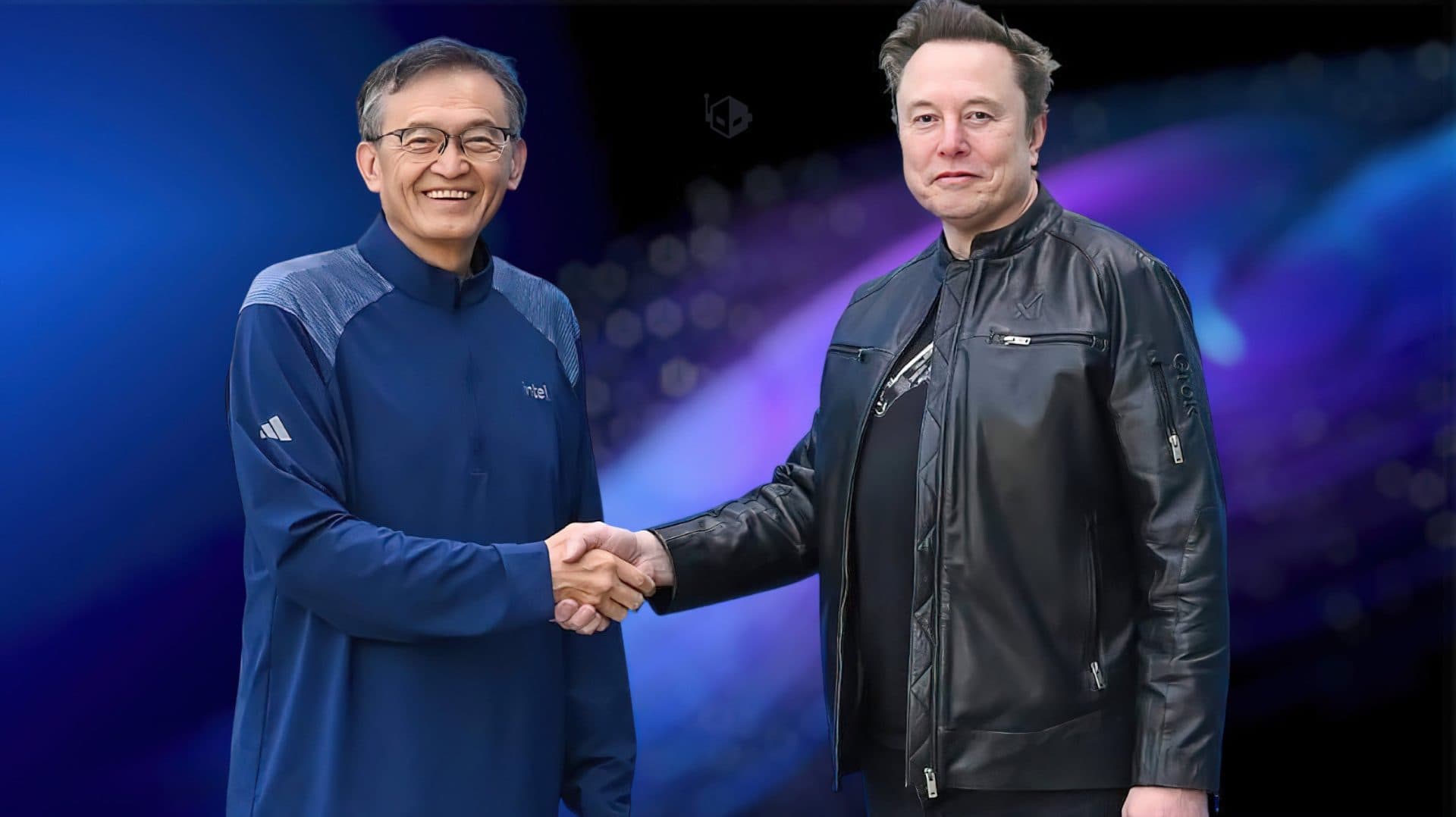
In a recent podcast appearance, Intel CEO Lip-Bu Tan shared insights into his collaboration with Elon Musk on the Terafab project, highlighting the challenges posed by the surging demand for artificial intelligence (AI) on the semiconductor supply chain. Tan's remarks, delivered during the No Priors: AI, Machine Learning, Tech, & Startups podcast, underscore the growing urgency of addressing memory shortages and production capacity in the face of rapid technological advancement.
The Terafab project, spearheaded by Musk, aims to fulfill the increasing need for chips used in electric vehicles, robotics, and future space-based data centers. Intel has committed to manufacturing chips for this initiative using its 14A manufacturing process technology, a move that signifies a strategic partnership between two of the most influential figures in technology today.
Tan expressed a shared concern with Musk regarding the current state of semiconductor infrastructure, stating, "Elon Musk I think we all agree is one of the best, if not the best, entrepreneur in this century. He and I, we share the same view, that semiconductor infrastructure actually is not catch up with the AI growth." This sentiment reflects a broader industry acknowledgment that the pace of AI development is outstripping the ability of semiconductor manufacturers to keep up, leading to potential bottlenecks in production and supply.
In discussing Musk's working style, Tan noted the billionaire's unique approach to problem-solving, particularly his tendency to dissect processes and question traditional methodologies. Musk's adherence to a First Principles approach—breaking down complex problems into their fundamental components—was praised by Tan, who found it refreshing and conducive to innovative collaboration. Tan remarked, "He basically questions every step and why this traditional way of doing things. And in some ways very refreshing. And I like that. I like people have different opinion. And let's work together, find what is the best route."
Tan's insights into the semiconductor supply chain extend beyond his collaboration with Musk. He highlighted the substantial impact of AI on the memory market, noting that prices have surged and are expected to continue rising due to heightened demand. He pointed out that while the focus is often on memory shortages, the role of helium in semiconductor manufacturing should not be overlooked. Helium is critical for various fabrication processes, including vapor deposition and cooling during etching.
The Intel CEO elaborated on the challenges facing the semiconductor industry, stating, "I think couple of bottlenecks for the AI demand and growth. One of course is everybody knows power constraint. Some country the power they just don't have that. . .and then secondly, a lot of people didn't realize, the helium impact can be also quite significant for the semiconductor." This highlights the multifaceted nature of the supply chain crisis, which is not only about memory shortages but also involves energy constraints and the availability of essential materials like helium.
Tan also addressed the time required to ramp up production capacity, emphasizing that even with new fabrication facilities, it may take several years to meet the rising demand for CPUs and GPUs. He concluded by noting that as production costs rise, these expenses will inevitably be passed on to consumers, further complicating the landscape for both manufacturers and end-users.
Tan's comments come in the wake of his appearance on another podcast, where he reflected on his journey to becoming Intel's CEO and the influence of industry peers like AMD's CEO, Dr. Lisa Su. Su is recognized for revitalizing AMD and positioning it as a formidable competitor to Intel, which adds another layer to the competitive dynamics within the semiconductor industry.
As the demand for AI continues to escalate, the semiconductor supply chain faces critical challenges that require innovative solutions and strategic partnerships. Tan's collaboration with Musk on the Terafab project exemplifies the urgency of addressing these issues, as both leaders seek to navigate the complexities of production and supply in an increasingly AI-driven world.
Why it matters
The insights shared by Lip-Bu Tan highlight significant implications for creators and technologists in the AI and semiconductor sectors. The collaboration between Intel and Musk's Terafab project signifies a concerted effort to address the mounting demand for chips, a crucial component in the advancement of AI technologies. As AI applications proliferate across various industries, the semiconductor supply chain must adapt to meet these needs, which could lead to innovative manufacturing techniques and partnerships.
Moreover, the emphasis on the First Principles approach in problem-solving, as demonstrated by Musk, encourages a culture of innovation that could inspire creators to rethink traditional methodologies in their own fields. The recognition of helium's role in semiconductor fabrication also serves as a reminder of the interconnectedness of resources and the importance of sustainable practices in technology development. As the industry grapples with these challenges, the potential for new solutions and advancements will be critical in shaping the future of AI and technology.
The ongoing dialogue about semiconductor shortages and the impact of AI on production capacity will likely influence strategic decisions within companies, shaping the landscape for years to come. Creators and technologists must stay informed and adaptable as they navigate these evolving dynamics in the tech industry.
Frequently asked questions
- What is the Terafab project?
- The Terafab project, led by Elon Musk, aims to meet the increasing demand for chips used in electric vehicles, robotics, and space-based data centers.
- How is AI impacting the semiconductor supply chain?
- AI is driving significant demand for semiconductors, leading to shortages in memory and increasing production costs, which are expected to be passed on to consumers.
- Why is helium important in semiconductor manufacturing?
- Helium is critical for various semiconductor fabrication processes, including vapor deposition and cooling during etching.
Related stories
AI & art news in your inbox, daily
The day's top stories, summarized. Free, no spam, unsubscribe anytime.