
Human v machine: the battle for music's soul in the AI age
RTE · View original source
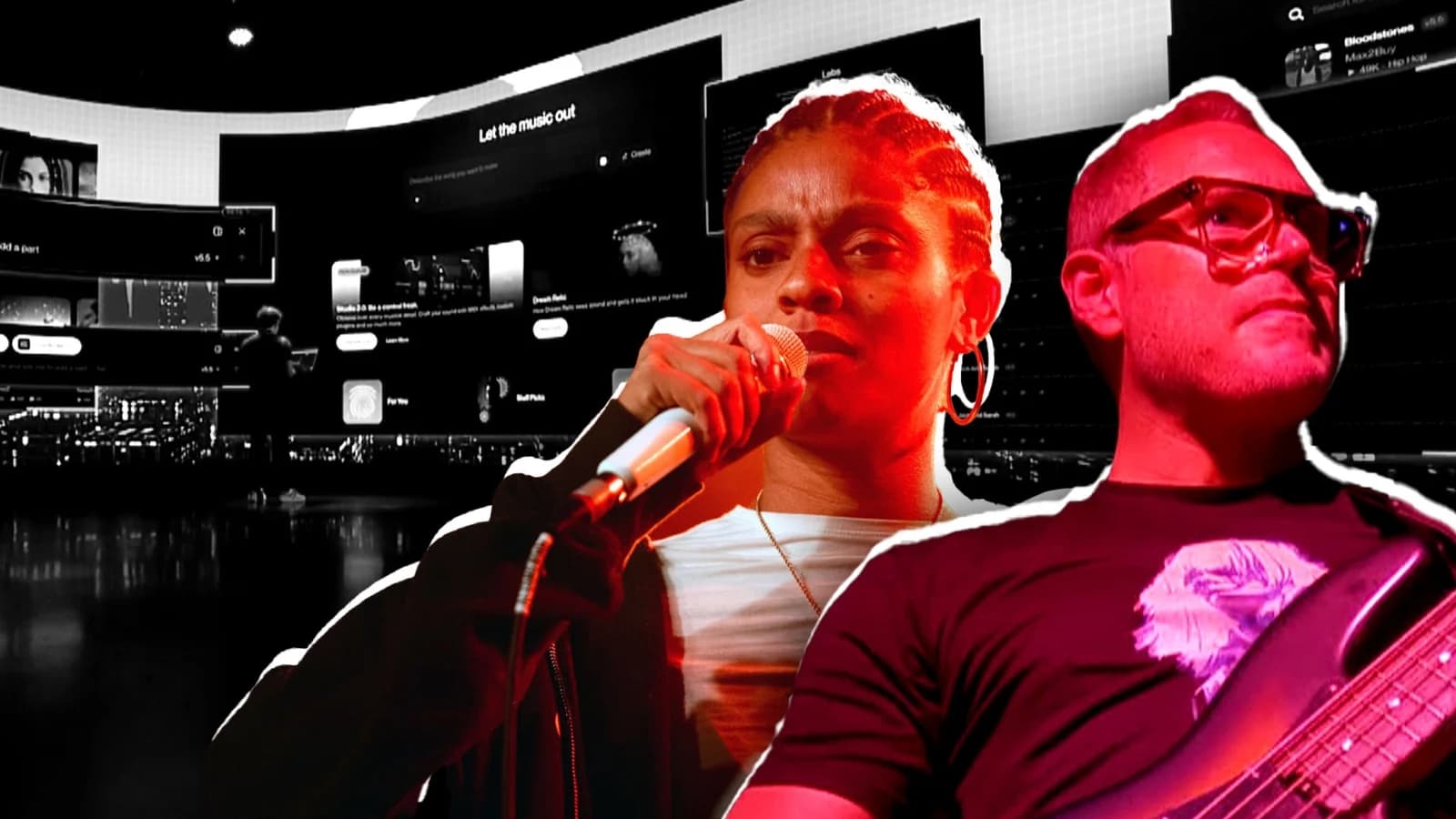
As artificial intelligence (AI) continues to make significant inroads into various creative fields, the music industry is now facing a pivotal moment in its evolution. With AI-generated music becoming increasingly prevalent, platforms like Spotify are responding by introducing labels to identify artists who utilize AI in their work. Meanwhile, Australia’s official music charts have taken a definitive stance by excluding songs that are entirely created by AI. This shift raises critical questions about copyright, the livelihoods of artists, and the fundamental nature of creativity itself in an age where machines can replicate human artistic processes.
The Evolution of Music Technology
The music industry has a long history of adapting to technological advancements, from synthesizers and sampling to auto-tune and digital production. Each innovation has transformed how music is created and consumed. The introduction of AI represents the latest chapter in this ongoing narrative, prompting discussions about the extent to which we are willing to delegate the creative process to machines.
As Professor Jennifer Walshe from Oxford University points out, the use of AI in music varies significantly. Some musicians incorporate AI tools for specific tasks, such as mastering tracks, while others may rely on generative AI to produce entire compositions. This distinction is vital, as it influences the perception of AI's role in the creative process. Walshe emphasizes that simply labeling a piece of music as 'AI-generated' does not convey the depth of human involvement in its creation.
Generative music tools operate similarly to Large Language Models (LLMs) like ChatGPT, but instead of generating text, they create audio. These tools are trained on vast datasets of existing music, enabling them to learn the intricacies of melody, rhythm, harmony, and vocals. They can produce complete tracks based on simple text prompts, leading to a divide in opinions: some view these tools as a threat to human creativity, while others see them as valuable instruments that can enhance the artistic process.
The Case of AI-Generated Music
The impact of AI-generated music is becoming increasingly evident as these tracks gain traction beyond their platforms of origin. A notable example is an AI-generated song about Puerto Rico that went viral, featuring in numerous social media videos and even being promoted by the Puerto Rico tourism board. This case illustrates how AI-generated music can reach audiences and influence culture, raising questions about authorship and the value of human creativity in music.
In an experiment to explore the capabilities of AI music generation, a journalist used the Suno platform to create a song titled 'Ashleaf Summers' based on a nostalgic prompt. However, the resulting track exhibited characteristics commonly associated with AI-generated music, such as a synthetic sound and clichéd lyrics. Professor Walshe noted these traits, highlighting the challenges of achieving authenticity through AI.
Despite the limitations, the speed at which AI can produce music raises concerns about the implications for the creative process. For companies like Suno, the appeal lies in streamlining music creation, with CEO Mikey Shulman suggesting that many individuals do not enjoy the time spent making music. However, this perspective is contested by artists like Rory Sweeney, who argue that the human experience and imperfections contribute significantly to the value of music.
The Human Element in Music Creation
Artists such as Aby Coulibaly echo Sweeney's sentiments, emphasizing that the emotional depth and personal experiences behind a song are irreplaceable by AI. Coulibaly asserts that the nuances of human emotion, such as a voice crack or heartfelt lyrics, cannot be replicated by machines. This highlights a critical aspect of music: the connection between the artist and the listener, which is often derived from shared human experiences.
Conversely, some musicians, like Hector Castillo, view generative AI as just another tool in the creative arsenal. Castillo believes that as long as the artist maintains control over the creative process, the use of AI can be beneficial. This perspective raises essential questions about the balance between human creativity and technological assistance.
In an informal experiment comparing two AI-generated songs, one created with minimal input and the other with significant human involvement, listeners showed a preference for the track that had been generated with less human input. This outcome reveals an intriguing dynamic: while audiences may enjoy AI-generated music, their appreciation can diminish once they learn about the technology behind its creation.
As Professor Walshe compares the act of composing music to cooking, she suggests that engaging in the creative process is what truly enriches the experience. The distinction between simply producing a finished product and being involved in the creative journey is crucial in understanding the value of music.
Despite the uncertainties surrounding AI's role in the future of music, Walshe remains optimistic about the potential for innovation. She believes that new forms of music will emerge, driven by both human creativity and technological advancements. However, the ongoing debate about the balance between AI and human artistry will likely continue to shape the landscape of the music industry for years to come.
Frequently asked questions
- What is AI-generated music?
- AI-generated music refers to compositions created by artificial intelligence systems that can produce audio based on learned patterns from existing music.
- How is AI changing the music industry?
- AI is changing the music industry by enabling faster music production, raising questions about copyright and authorship, and influencing how audiences perceive creativity.
- What are the concerns regarding AI in music?
- Concerns include the potential loss of human creativity, the authenticity of AI-generated music, and the implications for artists' livelihoods.
Related stories
AI & art news in your inbox, daily
The day's top stories, summarized. Free, no spam, unsubscribe anytime.