
How to spot AI images: A fact-checker's guide
Snopes.com · View original source
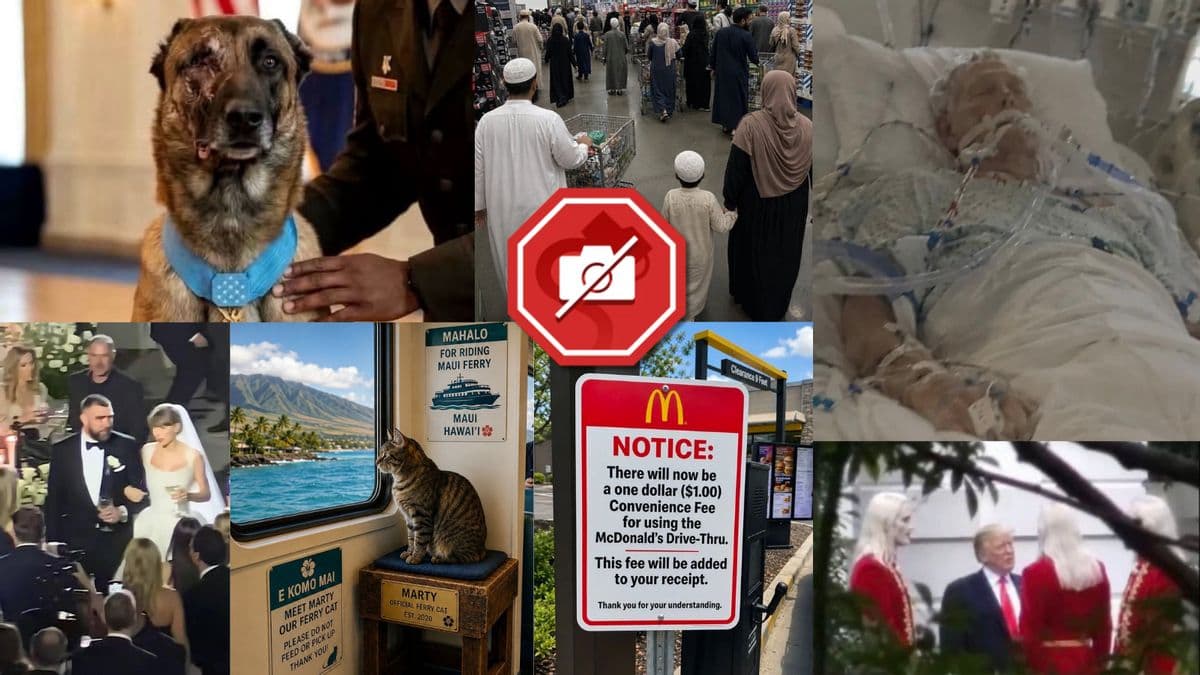
In the digital age, the prevalence of misinformation has become a pressing issue, particularly with the advent of generative artificial intelligence (AI) tools that can create hyper-realistic images. Snopes, a well-established fact-checking organization, has dedicated significant resources to discerning the authenticity of images circulating online. This endeavor has become increasingly complex due to the sophistication of AI-generated content, often referred to as "deepfakes." As the line between real and artificially created images blurs, it is crucial for users to develop skills to identify potentially misleading visuals.
The Challenge of Identifying AI-Generated Images
The rise of generative AI has transformed the landscape of image creation, making it challenging for even seasoned experts to determine whether an image is authentic or fabricated. Snopes emphasizes the importance of scrutinizing small details in images to uncover discrepancies that may indicate AI generation. The organization has compiled a list of strategies that can serve as a checklist for identifying such images. However, it is essential to note that these strategies are not foolproof; the presence of one or more characteristics does not automatically signify that an image is fake. For instance, the use of an em dash is often associated with AI-generated text but does not definitively indicate that a piece of writing was produced by a generative model.
As generative AI models continue to evolve, the techniques for identifying AI-generated images may need to adapt as well. Some companies have begun to implement reliable methods to verify the origin of highly realistic images. This ongoing development underscores the necessity for users to remain vigilant and informed about the latest advancements in AI technology.
Key Indicators of AI Generation
One of the primary areas where generative AI struggles is in accurately depicting the physics of light. Snopes advises users to examine shadows in images, particularly those that appear to be taken during daylight. Inconsistent shadow shapes can indicate that an image may not be genuine. For example, an image purportedly showing former President Donald Trump with "nordic aliens" featured harsh, inconsistent shadows, raising suspicions about its authenticity.
Another common issue with AI-generated images is the representation of depth of field. In traditional photography, the background of a well-captured photo will exhibit a natural blur, while the subject remains in focus. AI-generated images, however, may present a depth of field that appears unnatural, either by being overly airbrushed or by having too much of the image in focus. Snopes has noted instances where AI-generated images displayed unrealistic focus, such as a cat in a ferry window where both the cat and a distant island appeared sharply defined, which would be unlikely in a typical photograph.
Moreover, generative AI often falters in accurately rendering complex shapes, particularly human extremities. Instances of extra fingers or misshapen features can serve as telltale signs of AI generation. Snopes identified such discrepancies in images from a high-profile wedding, where figures appeared to have six fingers. Additionally, the organization has observed that AI-generated text within images may contain grammatical errors or misshapen letters, which can also serve as indicators of artificial creation.
The Importance of Context and Source Verification
Beyond analyzing the image itself, Snopes advocates for investigating the context surrounding an image. For example, platforms like YouTube require creators to disclose AI-generated content, and social media sites like Instagram and Facebook may include metadata that indicates an image's origin. Users can access this information by clicking on specific options within the platform.
Reverse image search tools, such as Google or TinEye, can also be valuable for verifying the authenticity of an image. By checking whether an image appears in reputable news outlets or stock image libraries, users can gather supporting evidence to inform their conclusions. Additionally, examining the social media profile that posted the image can provide insights into its credibility. Pages that frequently share AI-generated content may indicate that an image is not genuine, particularly if the posting frequency resembles spam-like behavior.
Critical thinking is paramount in evaluating images. Users should ask themselves whether the content seems too extraordinary or emotionally charged, which can often signal an attempt to manipulate viewer reactions. This level of scrutiny is necessary to combat the overwhelming tide of misinformation that can proliferate on social media platforms.
Why it matters
The ability to discern between real and AI-generated images is becoming an essential skill in today's digital landscape. As generative AI technology continues to advance, the risk of misinformation will likely increase, making it imperative for creators and technologists to stay informed about the nuances of image authenticity. By utilizing the strategies outlined by Snopes, individuals can enhance their media literacy and contribute to a more informed online community. This awareness not only empowers users to protect themselves from deception but also fosters a culture of accountability and integrity in digital content creation.
In conclusion, as the tools for creating AI-generated images become more sophisticated, so too must our approaches to verifying their authenticity. The insights provided by Snopes serve as a vital resource for anyone navigating the complexities of digital imagery in an age where seeing is no longer believing.
Frequently asked questions
- What are deepfakes?
- Deepfakes are media, including images, videos, or audio, that have been artificially generated or manipulated using AI technology, often to create misleading or false representations.
- How can I verify if an image is real or AI-generated?
- You can verify an image by examining shadows, depth of field, and complex shapes, as well as using reverse image search tools and checking the context and source of the image.
- Why is it important to identify AI-generated images?
- Identifying AI-generated images is crucial to combat misinformation, protect oneself from deception, and promote a culture of accountability in digital content creation.
Related stories
AI & art news in your inbox, daily
The day's top stories, summarized. Free, no spam, unsubscribe anytime.