
How the United Nations is Using AI to Advance Human Rights
UN News · View original source
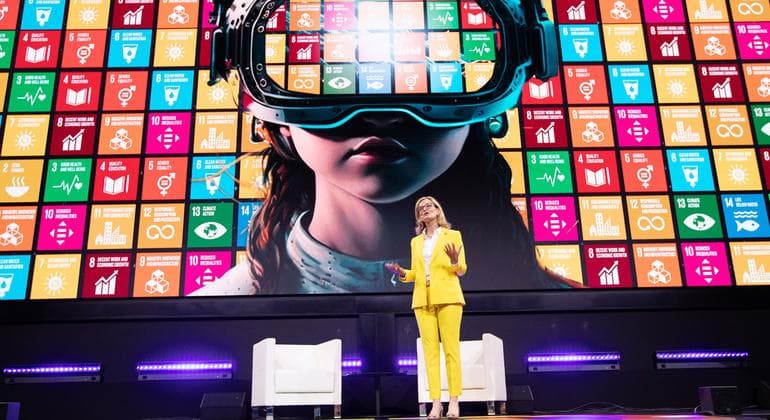
The United Nations (UN) is harnessing the power of artificial intelligence (AI) to foster advancements in human rights, education, and environmental protection. Through various initiatives, the UN is not only addressing pressing global challenges but also shaping the dialogue surrounding AI governance. This multifaceted approach highlights the potential of AI to create tangible benefits for communities worldwide, as evidenced by specific case studies from Jamaica, Ethiopia, and other regions.
AI in Education: A Case Study of Accessibility
One of the most compelling examples of AI's impact comes from Jamaica, where a six-year-old boy named Ari, who faces learning difficulties, has gained access to reading materials in a format tailored to his needs. This breakthrough is part of UNICEF's Accessible Digital Textbooks for All (ADT) initiative, which aims to eliminate barriers in education for the nearly 240 million children globally living with disabilities.
UNICEF's Global Director of Education and Adolescent Development, Pia Rebello Britto, emphasized the significance of this initiative, stating, "The real impact is what this means for children." The ADT program, which predates the recent surge in AI technology, has evolved to incorporate AI tools, allowing it to operate in 17 countries and reach nearly two million children, with aspirations to expand to 50 countries by 2030. The program's design involved collaboration with advocacy groups to ensure that the technology meets the needs of the communities it serves.
Environmental Protection through AI
In addition to education, the UN is leveraging AI to combat environmental issues, particularly methane emissions, which are a significant contributor to global warming. The UN Environment Programme (UNEP) has implemented the Methane Alert and Response System (MARS), which utilizes AI to analyze data from 30 satellites to detect methane leaks. Since its launch in 2024, MARS has helped prevent methane emissions equivalent to the output of 24 million gas-powered cars.
UNEP's Climate Change Division Director, Martin Krause, noted that AI is 12 to 15 times faster and more accurate than human efforts in identifying methane leaks, resulting in 7,500 alerts that have prompted 42 mitigation actions in the past two years. This proactive approach not only aids in reducing greenhouse gas emissions but also helps companies avoid financial losses associated with product waste, creating a win-win situation for both the environment and businesses.
Health Innovations in Tuberculosis Screening
The UN's World Health Organization (WHO) is also utilizing AI to improve health outcomes, particularly in the diagnosis of tuberculosis (TB). In collaboration with developing countries, AI is being used to analyze chest X-rays for TB signs, enabling quicker screenings in areas with limited access to medical specialists. Dr. Vanessa Veronese from WHO highlighted the importance of early diagnosis in reducing TB transmission within communities, especially in high-risk populations such as gold miners in Ethiopia.
The AI technology generates a TB likelihood score rapidly, assisting radiologists in low-resource settings where skilled personnel may be scarce. Since the WHO officially recommended the use of AI for TB screening in 2021, it has provided guidance and support to help countries implement this technology effectively.
Why it matters
The UN's initiatives underscore the transformative potential of AI in addressing critical global challenges while promoting human rights and equity. By focusing on accessibility in education, environmental protection, and health, the UN is demonstrating how AI can be a force for good. However, as AI technology continues to evolve, the UN is also emphasizing the importance of ethical considerations and inclusive governance.
UN Secretary-General António Guterres has articulated the dual nature of AI as both an opportunity and a risk, urging that AI must serve humanity rather than the reverse. The establishment of a Global Dialogue on AI Governance and the formation of an Independent International Scientific Panel on AI reflect the UN's commitment to ensuring that AI development is safe, equitable, and inclusive. As the UN works towards the Sustainable Development Goals, its proactive stance on AI governance will be crucial in shaping a future where technology enhances human rights and fosters global cooperation.
In conclusion, the UN's integration of AI across various sectors illustrates a forward-thinking approach to tackling some of the world's most pressing issues. By prioritizing community needs and ethical standards, the UN aims to create a world where AI contributes positively to society, ultimately benefiting all of humanity.
Frequently asked questions
- How is the UN using AI to improve education?
- The UN, through UNICEF's Accessible Digital Textbooks for All initiative, is using AI to create personalized reading materials for children with disabilities, making education more accessible.
- What environmental issues is the UN addressing with AI?
- The UN Environment Programme is using AI to detect methane leaks through the Methane Alert and Response System, helping to reduce greenhouse gas emissions and promote environmental sustainability.
- How does AI assist in tuberculosis screening?
- The WHO is utilizing AI to analyze chest X-rays for tuberculosis signs, allowing for quicker screenings and earlier diagnoses in areas with limited medical resources.
Related stories
AI & art news in your inbox, daily
The day's top stories, summarized. Free, no spam, unsubscribe anytime.