
How Fritz Lang’s Metropolis Created the Blueprint for Modern Science Fiction (1927)
Openculture.com · View original source
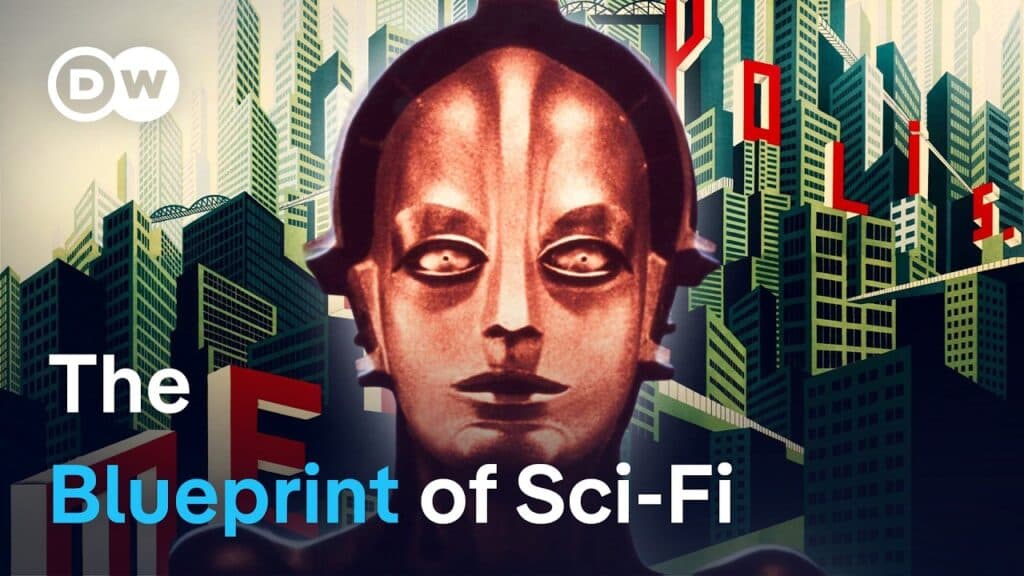
Title: How Fritz Lang’s Metropolis Created the Blueprint for Modern Science Fiction (1927)
Fritz Lang's 1927 film "Metropolis" is often regarded as a foundational work in the science fiction genre. The film presents a dystopian future where a vast, impoverished working class toils away in oppressive conditions, while an elite class of wealthy industrialists maintains control over society.
In "Metropolis," the stark divide between the rich and the poor is depicted through striking visual contrasts and innovative special effects. The film's narrative explores themes of class struggle, technological advancement, and the potential consequences of unchecked capitalism. The story follows the journey of Freder, the son of the city's ruler, as he discovers the harsh realities faced by the workers and seeks to bridge the gap between the two classes.
Lang's use of expressionist techniques and elaborate set designs has had a lasting impact on the science fiction genre, influencing countless filmmakers and artists. The film's iconic imagery, including the towering cityscape and the ominous Maschinenmensch, has become synonymous with early science fiction cinema.
"Metropolis" not only set the stage for future science fiction films but also raised important questions about the relationship between technology and society, making it a timeless classic in the genre.
Related stories
AI & art news in your inbox, daily
The day's top stories, summarized. Free, no spam, unsubscribe anytime.