
Geely Eva Cab Robotaxi, An AI-Powered Autonomous EV With 4ms Reaction Time
Ubergizmo · View original source
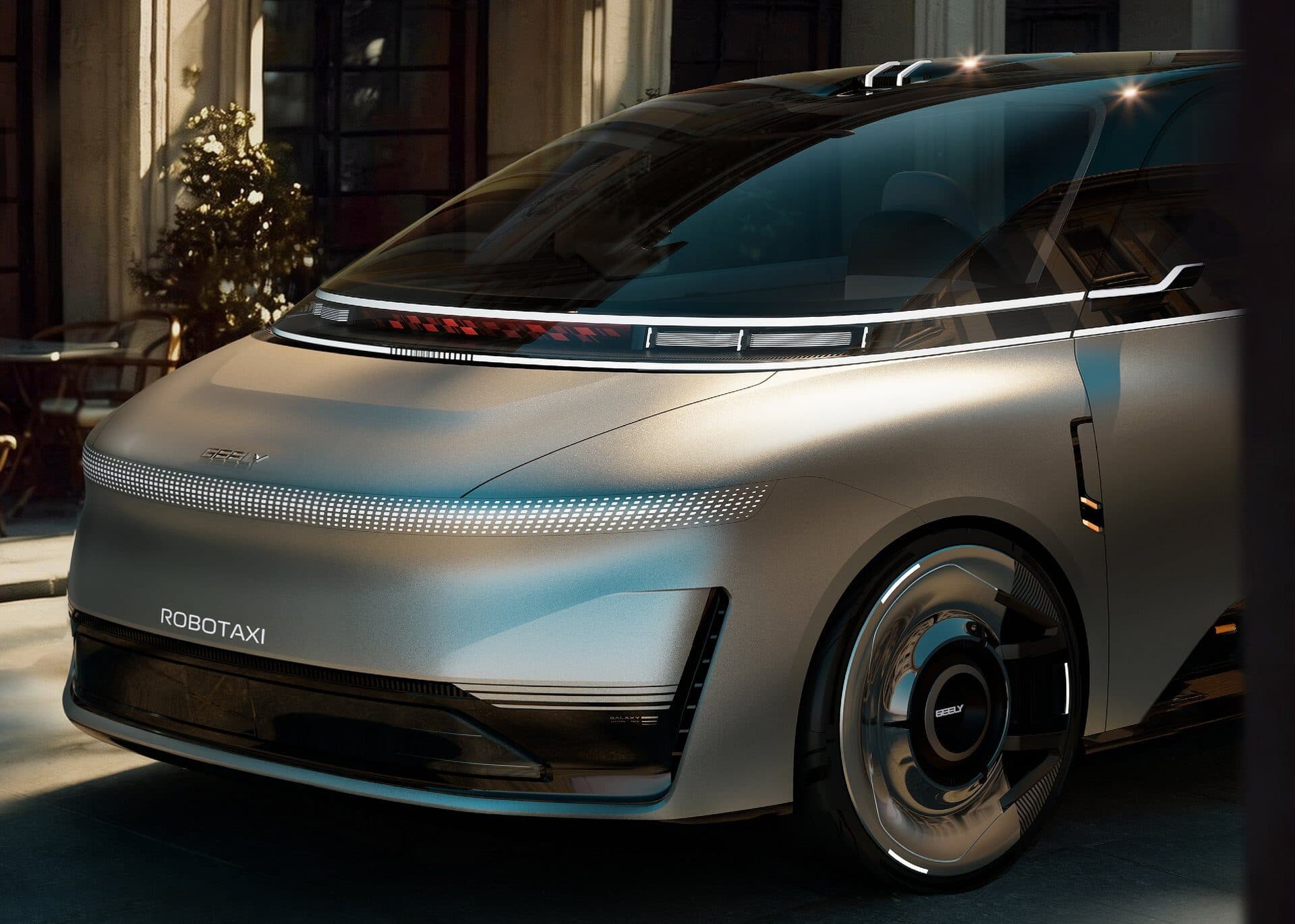
At the 2026 Beijing Auto Show, Geely introduced the Eva Cab, an innovative robotaxi engineered to operate without any human intervention. This unveiling positions Geely as a formidable competitor to Tesla's Cybercab, marking a significant shift towards fully autonomous mobility solutions in the automotive industry.
The Eva Cab is driven by a sophisticated computing system that incorporates an artificial intelligence model boasting 196 billion parameters and a processing capacity of 1,400 TOPS (trillions of operations per second). This high-performance system is designed to handle the complexities of urban driving, making it a key player in the evolving landscape of autonomous vehicles.
Advanced Navigation Technology
At the heart of the Eva Cab's operation is the “World Action Model,” which employs a continuous process of “micro-deductions.” This approach diverges from traditional autonomous driving systems that primarily rely on perception and response to navigate. Instead, the Eva Cab's technology enables it to effectively navigate up to 99% of traffic scenarios, including challenging environments like unmarked roads. This capability is crucial for ensuring that the vehicle can operate safely and efficiently in diverse driving conditions.
Safety and precision are paramount in the design of the Eva Cab. Geely claims that the system can perform complex maneuvers with a 95% success rate, a significant achievement in the realm of autonomous driving. One of the standout features of the Eva Cab is its remarkably quick reaction time of just 4 milliseconds. This speed is three times faster than that of a human driver, allowing the vehicle to adjust its trajectory or avoid unforeseen obstacles with remarkable agility. To facilitate this level of responsiveness, the Eva Cab is outfitted with an extensive array of 43 sensors, which include high-definition cameras and LiDAR technology. This comprehensive sensor suite provides a 360-degree view of the vehicle's surroundings, enhancing its ability to navigate safely and effectively.
Redefining Passenger Experience
The interior design of the Eva Cab reflects its autonomous capabilities, as it completely omits traditional driving controls such as a steering wheel or pedals. This design choice maximizes the available space within the cabin, prioritizing passenger comfort and utility over conventional driving mechanics. The result is a vehicle that not only serves as a mode of transportation but also as a comfortable environment for passengers during their journey.
Geely has ambitious plans to commence mass production and initiate commercial operations of the Eva Cab in 2027, in collaboration with Caocao Mobility. However, industry analysts have expressed a cautious outlook regarding this timeline. While the technical specifications of the Eva Cab are impressive, Geely's recent track record with other projects in the Chinese market has encountered various challenges. This raises important questions about the speed of adoption and the practical implementation of such an advanced fleet of autonomous vehicles.
The success of the Eva Cab in meeting its 2027 launch goal will hinge on navigating regulatory hurdles and demonstrating the reliability of its 4-millisecond reaction system in real-world driving conditions. As the landscape of autonomous vehicles continues to evolve, the ability of companies like Geely to deliver on their promises will be closely scrutinized by both consumers and industry stakeholders.
Why it matters
The introduction of the Eva Cab by Geely is a significant development in the realm of autonomous vehicles, particularly as it highlights the increasing competition in this space. For creators and technologists, the advancements in AI and sensor technology showcased in the Eva Cab serve as a reminder of the rapid pace of innovation in the automotive industry. The vehicle's ability to navigate complex environments and its focus on passenger comfort may set new standards for future designs in autonomous transportation.
Moreover, the challenges faced by Geely in achieving its production and operational goals reflect the broader hurdles that many companies in the autonomous vehicle sector will encounter. Regulatory approval, public acceptance, and real-world performance validation are critical factors that will determine the success of such technologies. As the industry continues to mature, the lessons learned from initiatives like the Eva Cab will be invaluable for future developments in autonomous mobility.
Frequently asked questions
- What is the Eva Cab?
- The Eva Cab is a purpose-built robotaxi developed by Geely that operates entirely without human intervention.
- How fast can the Eva Cab react?
- The Eva Cab boasts a reaction time of just 4 milliseconds, which is three times faster than a human driver.
- When does Geely plan to launch the Eva Cab?
- Geely intends to begin mass production and commercial operations of the Eva Cab in 2027.
Related stories
AI & art news in your inbox, daily
The day's top stories, summarized. Free, no spam, unsubscribe anytime.