
Former Xbox/SEGA/EA Executive: “All Studios Are Going to Use AI” — Sharma Must Be the One to Explain It to Gamers
Wccftech · View original source
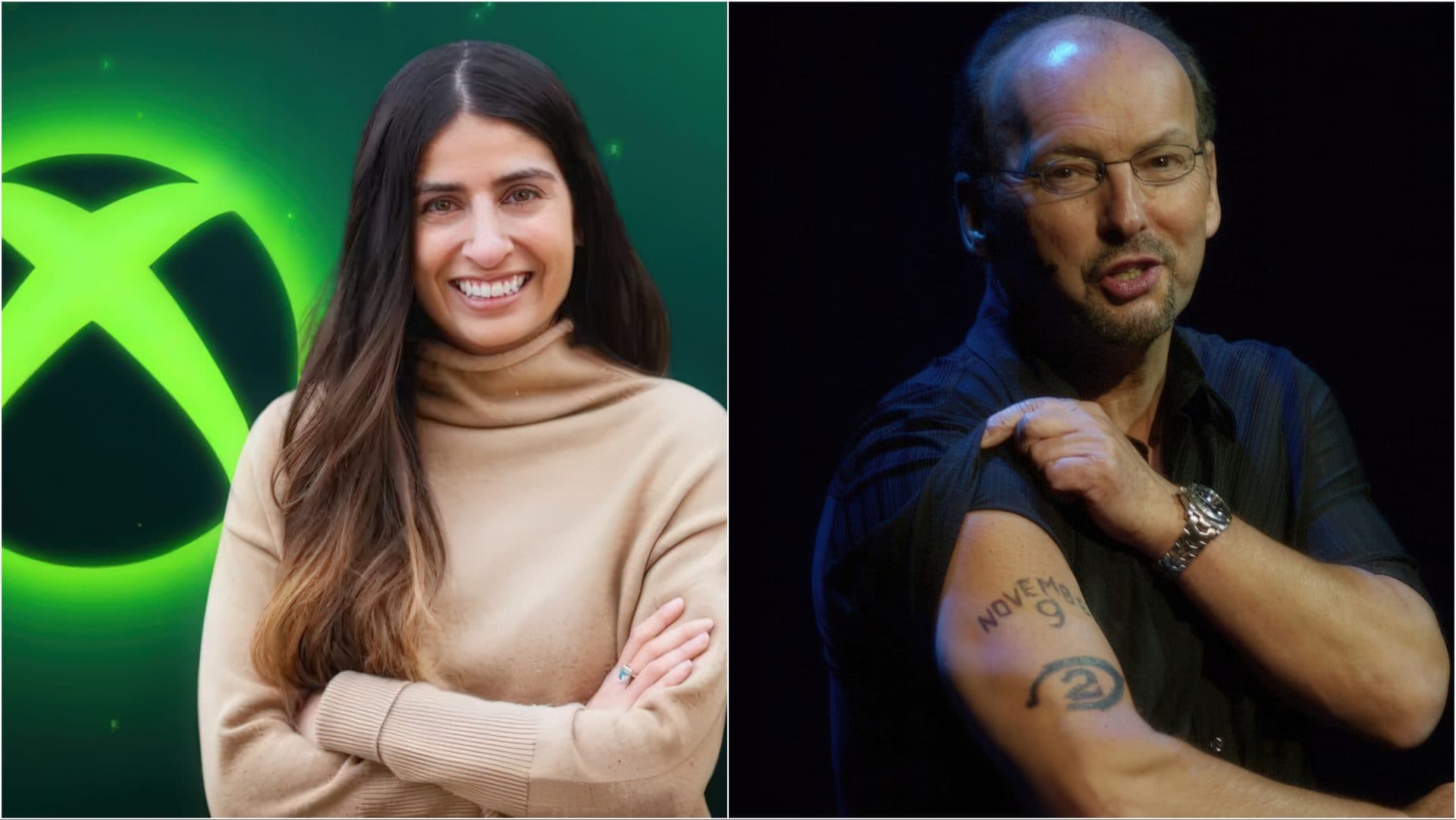
Peter Moore, a veteran in the gaming industry with a history of executive roles at SEGA, Xbox, and Electronic Arts, has recently weighed in on the appointment of Asha Sharma as the new CEO of Microsoft Gaming. His insights reflect a growing concern among gamers regarding the integration of artificial intelligence (AI) in game development, despite Sharma's assurances that her focus will not solely be on AI. Moore's comments, made during an interview with GamesBeat, highlight the tension between the gaming community's apprehensions about AI and the potential benefits it could bring to the industry.
Moore acknowledges the prevailing anti-AI sentiment among hardcore gamers, who often view AI as a shortcut that undermines the creative process of game development. He emphasizes that while gamers may resist the idea of AI, it is an inevitable part of the industry's evolution. According to Moore, every game developer will likely utilize AI in some capacity, and it is Sharma's responsibility to communicate how AI can enhance the gaming experience rather than detract from it. He articulates a clear mantra for Sharma: AI should serve the player, not merely the financial spreadsheets of the company.
In his analysis, Moore suggests that Sharma has a unique opportunity to bridge the gap between gamers and the technological advancements in AI. He believes that if AI is implemented thoughtfully, it could lead to games that are not only more affordable but also of higher quality. The rising costs of developing triple-A titles have become a significant challenge, often requiring large teams of hundreds or even thousands of people. Moore argues that AI could streamline development processes, making it possible to produce games that are better, faster, and cheaper.
Sharma's previous experience as President of Microsoft's CoreAI division positions her well to navigate these challenges. She has overseen a portfolio that includes AI models, applications, and developer tools, which could provide her with the insights needed to effectively communicate the advantages of generative AI to gamers. However, the task ahead is daunting, as demonstrated by the backlash against Larian Studios when it was revealed that they were using generative AI for tasks such as writing placeholder text and creating concept art. This incident underscores the skepticism that exists within the gaming community regarding AI's role in development.
Despite the potential benefits of AI, not all voices in the industry share Moore's optimism. Seamus Blackley, a founder of the original Xbox, has expressed concerns that Sharma's leadership may be akin to providing palliative care to a brand that is facing decline. Additionally, analyst Rhys Elliott from Alinea has suggested that Microsoft Gaming should consider becoming an independent entity, indicating a lack of confidence in the current structure and direction.
The Role of AI in Gaming
The conversation surrounding AI in gaming is multifaceted. On one hand, there is the promise of increased efficiency and reduced costs, which could democratize game development and lead to a wider variety of titles. On the other hand, there is a palpable fear that AI could dilute the artistic integrity of games, reducing them to products driven by algorithms rather than creativity. As Moore points out, the gaming industry has been utilizing forms of AI for years, but the current wave of generative AI presents new challenges and opportunities that must be navigated carefully.
For creators and technologists, the integration of AI into game development processes could represent a significant shift. It necessitates a reevaluation of workflows, creative processes, and even the relationship between developers and players. The success of AI in gaming may ultimately depend on how well it is communicated to the community and whether it can be framed as a tool that enhances rather than replaces human creativity.
Why it matters
The implications of AI's integration into gaming extend beyond mere operational efficiency. For creators, it offers the potential to streamline development and reduce costs, which could lead to a more diverse array of games being produced. However, the challenge lies in addressing the fears of gamers who see AI as a threat to the authenticity and artistry of their favorite medium. As Asha Sharma steps into her role, her ability to articulate the benefits of AI while respecting the concerns of the gaming community will be crucial in shaping the future of Microsoft Gaming and the broader industry landscape. The path forward will require a delicate balance between innovation and tradition, ensuring that the heart of gaming remains intact even as technology evolves.
Frequently asked questions
- What is the main concern gamers have about AI in gaming?
- Many gamers view AI as a shortcut that undermines the creative process of game development, leading to fears that it could dilute the artistry of games.
- What role did Asha Sharma have before becoming CEO of Microsoft Gaming?
- Before her appointment, Asha Sharma served as President of Microsoft's CoreAI division, overseeing AI models, applications, and developer tools.
- How might AI benefit game development according to Peter Moore?
- Peter Moore suggests that AI could streamline development processes, reduce costs, and lead to the creation of better, faster, and cheaper games.
Related stories
AI & art news in your inbox, daily
The day's top stories, summarized. Free, no spam, unsubscribe anytime.