
Ford Rehires Veteran Engineers After AI Systems Fail to Meet Quality Goals
Naturalnews.com · View original source
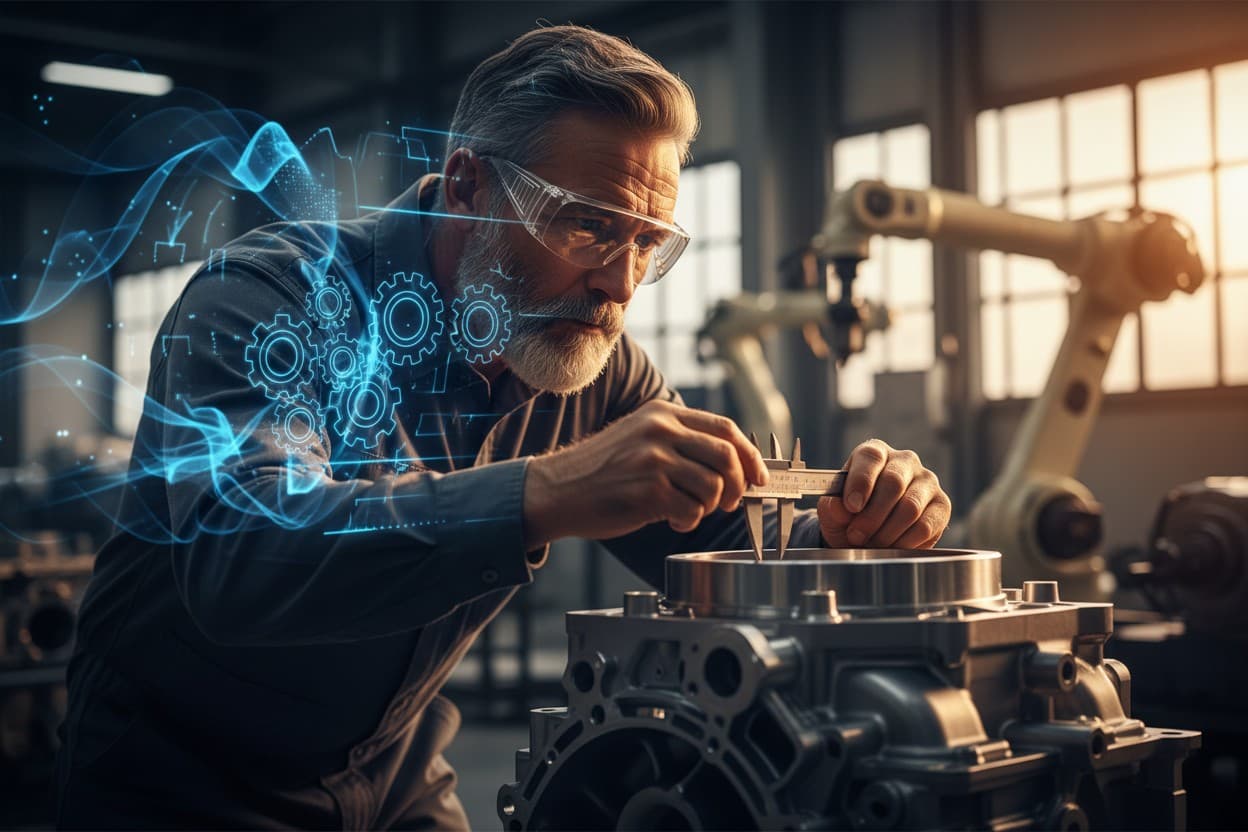
In a significant shift towards enhancing quality control in vehicle manufacturing, Ford Motor Company has reinstated veteran engineers, commonly referred to as "gray beard" engineers, following challenges faced with their artificial intelligence (AI) systems. This decision comes after Ford's recent ascent to the top of the JD Power Initial Quality Survey among mainstream automotive brands, a success attributed in part to the return of experienced personnel. Executives have acknowledged that the reliance on AI for quality checks fell short of the expertise that veteran technicians bring to the table.
The Shortcomings of AI in Quality Control
Charles Poon, Ford's vice president of vehicle hardware engineering, has openly recognized that the company overestimated the capabilities of AI in maintaining quality standards. He stated, "Artificial intelligence is a fantastic tool, but it's only as good as the information you use to train it," highlighting the critical role of data quality in AI effectiveness. Poon noted that in previous years, Ford did not adequately preserve the knowledge of its most seasoned engineers before they exited the company. This lack of institutional knowledge has been identified as a significant factor that impaired the performance of automated systems, a challenge that is not unique to Ford.
The automotive industry has seen various manufacturers grapple with the retention of expert knowledge. For instance, Toyota has long emphasized the importance of maintaining knowledge through strong supplier relationships, allowing suppliers to manage design and materials while adhering to performance standards. This approach contrasts with Ford's previous reliance on AI, which has proven insufficient in addressing quality issues.
Reintegrating Expertise into the Workforce
The reintroduction of veteran engineers aims to bridge the knowledge gap that has emerged from an over-reliance on automated systems. Ford's Chief Operating Officer, Kumar Galhotra, has articulated that the company increasingly depended on automated quality systems without achieving the desired results. The veterans are expected to mentor younger staff and retrain AI tools, effectively placing them at the core of Ford's turnaround strategy.
In addition to rehiring experienced engineers, Ford has reorganized its operations to foster better integration between software, manufacturing, and supply-chain teams. This restructuring aims to identify potential issues earlier in the production process, moving away from a traditional "find-and-fix mentality" to a more proactive approach that emphasizes prevention.
To support this shift, Ford has established a dedicated 40-member software quality assurance team, reinforcing its commitment to enhancing quality through improved processes. This team will play a crucial role in ensuring that the integration of AI in quality control is effective and that the systems are continuously refined.
The Future of AI at Ford
Despite the return of human engineers, Ford is not abandoning its use of AI in quality processes. The company is now focused on enhancing its AI systems by feeding them with better data sourced from the insights of experienced engineers. This approach aims to improve the effectiveness of AI in identifying edge cases, with over 100,000 AI-powered validation tests already implemented. Additionally, an automated testing framework has been established to allow for quick revalidation when design changes occur late in the production process.
The combination of reintroducing veteran engineers and making organizational changes has reportedly led to cost reductions and improved quality for Ford. The automaker's rise in the JD Power Initial Quality Survey underscores the positive impact of these strategies. Galhotra's statement about transitioning from a reactive to a preventative quality management approach reflects a significant evolution in Ford's operational philosophy.
Why it matters
The decision to reintegrate experienced engineers at Ford highlights a critical lesson for creators and technologists in various fields: while AI can enhance efficiency and productivity, it cannot replace the nuanced understanding and expertise that human professionals bring to complex tasks. The challenges Ford faced with AI systems serve as a cautionary tale about over-relying on technology without ensuring that foundational knowledge is preserved and utilized effectively.
For creators and technologists, this situation emphasizes the importance of balancing automation with human insight. As industries increasingly incorporate AI into their workflows, the need for skilled professionals who can guide and refine these technologies will only grow. The integration of human expertise with AI capabilities can lead to more robust systems that not only meet quality standards but also adapt to changing conditions in real time. Ford's approach may serve as a model for other companies seeking to navigate the complexities of modern manufacturing and quality assurance in an increasingly automated world.
Frequently asked questions
- Why did Ford rehire veteran engineers?
- Ford rehired veteran engineers to address quality control issues that arose from an over-reliance on AI systems, which did not match the skill and experience of human technicians.
- What is the role of AI in Ford's quality control now?
- Ford continues to use AI in its quality processes but is now focused on improving AI systems by providing better data derived from experienced engineers.
- What changes has Ford made to its operations?
- Ford has reorganized its operations to better integrate software, manufacturing, and supply-chain teams, creating a dedicated software quality assurance team to identify issues earlier in the production process.
Related stories
AI & art news in your inbox, daily
The day's top stories, summarized. Free, no spam, unsubscribe anytime.