
Explained: EU's new rules on AI, deepfakes and chatbots
Thelocal.com · View original source
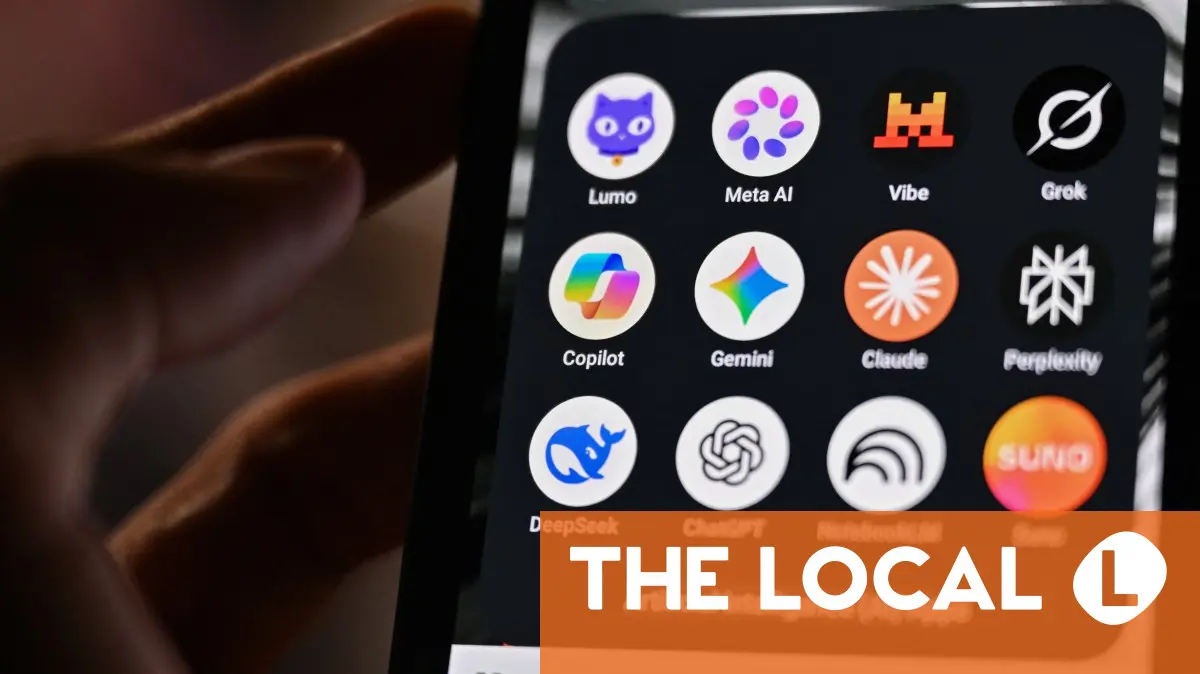
The European Union is set to implement significant new regulations concerning artificial intelligence (AI), deepfakes, and chatbots, with the transparency provisions of the AI Act coming into effect on August 2nd. This legislation is designed to enhance user awareness regarding interactions with AI systems and to ensure that AI-generated content is identifiable, thereby fostering a more informed digital environment for EU residents.
Under the AI Act, AI providers are mandated to design their systems in a manner that informs users when they are engaging directly with AI. This requirement includes the addition of machine-readable marks that facilitate the detection of AI-generated or manipulated content. The intent is to create a clear distinction between human and AI interactions, particularly in customer service settings, government agencies, and on websites employing chatbots.
The new regulations stipulate that any chatbot operating within the EU must clearly communicate to users that they are interacting with an AI, unless it is already obvious that AI is involved. For instance, a chatbot might prompt users with a message such as 'ask our AI chatbot for more information.' This information must be presented in a straightforward manner, ensuring that users can easily understand it. Importantly, while these rules apply to all new chatbots from August 2nd, existing chatbots have until December 2026 to comply, with many already adhering to similar standards.
In addition to chatbots, the legislation requires that any content—be it images, videos, audio, or text—produced by automated systems must be identifiable through a technical mark. This mark serves to trace the artificial origin of the content. The traceability features could take various forms, such as data embedded within the file or a technical watermark accessible to verification tools. Notably, this information must remain intact even if the content is altered, such as when an image is cropped. However, it is crucial to note that while verification tools can access this data, it does not need to be visible to the end user. Therefore, many AI-generated photos, videos, or articles may not carry an explicit label indicating their origin.
Deepfakes, which are increasingly prevalent in digital media, are also addressed under the AI Act. These manipulated media forms must be clearly labeled as AI-generated or altered, although there are exceptions for personal, artistic, satirical, and fictional uses. For instance, any video featuring a recognizable individual, such as a politician or business leader, must make it clear to viewers that the content has been generated or manipulated by AI. This requirement is particularly pertinent in light of recent incidents, such as a deepfake video of a political figure that misled viewers about electoral participation. Similarly, audio deepfakes must begin with a disclaimer that states in “plain and simple natural language” that they are AI-generated.
Another significant aspect of the AI Act is its provisions regarding emotion recognition and biometric categorization systems, which include technologies like facial recognition. From August 2nd, these systems must also inform individuals who are subject to their use. This requirement aims to enhance transparency and accountability in the deployment of such technologies, which have raised ethical concerns regarding privacy and consent.
Looking ahead, the AI Act includes a third wave of regulations that will come into effect on December 2nd, 2027. This phase will encompass stricter rules for systems involved in recruitment, credit scoring, education, law enforcement, border control, and critical infrastructure. These areas are considered high-risk and will be subject to more rigorous oversight. Furthermore, safety components in products such as medical devices, toys, and elevators will be regulated under this framework starting August 2nd, 2028.
To enforce compliance with the AI Act, the EU has established significant penalties for violations, with fines reaching up to €35 million or seven percent of a company’s global revenue. This stringent approach underscores the EU's commitment to ensuring that AI technologies are developed and deployed responsibly and transparently.
Why it matters
The implementation of the AI Act represents a crucial step towards enhancing transparency in AI interactions, a necessity in an age where digital content can be easily manipulated. For creators and technologists, these regulations will necessitate a reevaluation of how AI systems are designed and deployed. The requirement for clear communication regarding AI interactions could lead to a shift in user expectations, with individuals becoming more discerning about the technology they engage with.
Moreover, the emphasis on traceability for AI-generated content may drive innovation in watermarking and content verification technologies. As users demand greater accountability, creators will need to adopt new practices to ensure compliance with these regulations, potentially influencing the creative process itself. This shift could also foster a more ethical landscape for digital content creation, where transparency is prioritized and users are better informed about the nature of the media they consume.
In conclusion, the EU's new regulations on AI, deepfakes, and chatbots are poised to reshape the digital landscape, emphasizing the importance of transparency and accountability in AI technologies. As these rules come into effect, both creators and technologists will need to navigate this evolving regulatory environment, adapting their practices to align with the new standards while continuing to innovate in their respective fields.
Frequently asked questions
- What is the AI Act?
- The AI Act is a set of regulations implemented by the European Union to enhance transparency and accountability in the use of artificial intelligence, including requirements for labeling AI-generated content.
- When do the new AI regulations take effect?
- The new regulations come into effect on August 2nd, 2023, with existing chatbots having until December 2026 to comply.
- What are the penalties for non-compliance with the AI Act?
- Fines for non-compliance can reach up to €35 million or seven percent of a company's global revenue.
Related stories
AI & art news in your inbox, daily
The day's top stories, summarized. Free, no spam, unsubscribe anytime.