
Experian takes consumer financial guidance to the next level with AI-powered virtual assistant
SiliconANGLE News · View original source
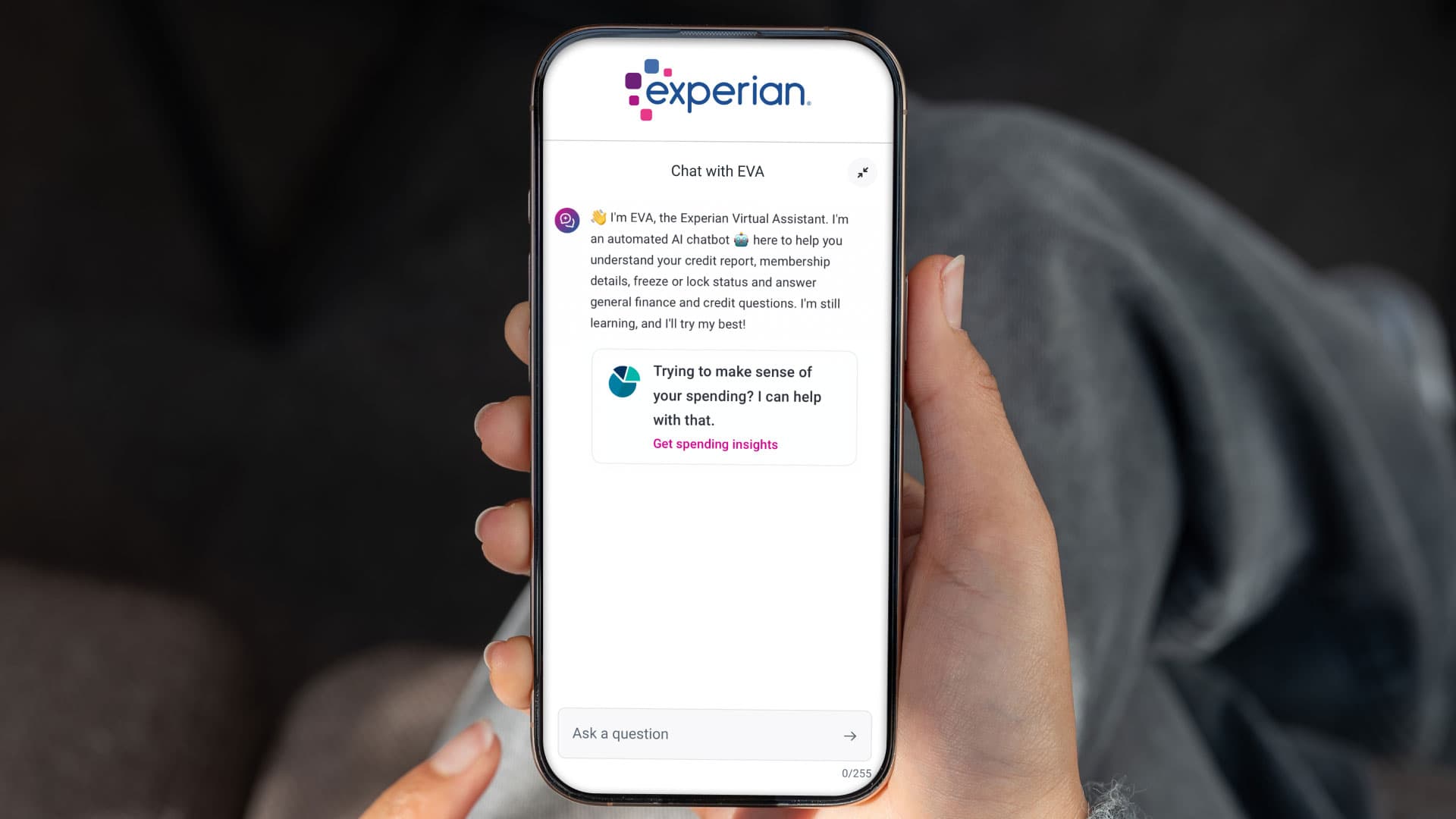
Experian plc has recently unveiled the latest iteration of its Experian Virtual Assistant (EVA), marking a significant advancement in the company's efforts to transition from traditional credit reporting to a more comprehensive technology-driven services provider. This development leverages artificial intelligence (AI) to enhance consumer financial guidance while navigating the complexities of operating in a tightly regulated industry.
The challenge for Experian lies in utilizing its extensive access to consumer spending data without compromising privacy and security. As a company that holds detailed information on millions of individuals, Experian must ensure that its AI-driven solutions assist users in making informed financial decisions without being intrusive. Jack Yu, director of product management for generative AI at Experian, emphasized the company's commitment to treating generative AI outputs with the same level of scrutiny as credit data, stating, "We built governance in from the beginning."
Features of the New EVA
The latest version of EVA, now at 3.0, extends beyond merely helping consumers understand their credit scores. It provides insights into how everyday spending impacts overall financial health, thanks to connected financial accounts and open banking integrations. Users can now identify recurring subscriptions, analyze their spending habits, and take actionable steps such as canceling services or negotiating bills.
Additionally, EVA can execute specific tasks on behalf of users, such as initiating a credit freeze, with built-in safeguards to ensure user confirmation at each step. This capability reflects a shift from earlier versions of EVA, which primarily functioned as a rules-based chatbot that offered limited advice focused on credit score improvement.
The evolution of EVA began in late 2022, coinciding with the rise of generative AI technologies. The previous chatbot struggled to keep pace with the growing demands for more sophisticated services. The introduction of large language models presented a unique opportunity for Experian to redefine how consumers engage with their financial data. Debbie Hsu, executive vice president of product at Experian Consumer Services, noted, "We saw it as a new way for consumers to interact with us."
This new application, which serves 85 million consumers globally, is a product of collaboration between Hsu's consumer services division and the internal innovation lab led by Yu. Hsu remarked, "We effectively operated as one team to embed AI expertise directly in the product."
AI's Role and Governance
Experian's history with AI spans over a decade, during which the company has developed machine learning systems for behavioral analysis and transaction-level insights. This experience has been instrumental in enhancing credit approvals and reducing fraud. Yu pointed out that while many companies began exploring generative AI in 2022, Experian had already established a foundation in AI technologies.
The design of EVA was inherently mindful of the regulatory landscape, prioritizing data privacy and accuracy. To ensure responsible AI usage, Experian implemented a set of internal rules governing how the assistant responds to user inquiries. Notably, the assistant does not position itself as a financial advisor, a licensed role, but rather as an educational tool. Hsu clarified, "We explicitly restrict financial advice. We focus on financial guidance."
The organizational challenges faced during the development of EVA were as significant as the technical hurdles. Gaining approval from compliance and risk teams necessitated extensive internal education and validation. Moreover, the development team concentrated on optimizing performance to meet consumer expectations for real-time responses, addressing latency issues that could hinder user experience.
Future Directions and Industry Implications
Looking ahead, Experian envisions EVA evolving to provide increasingly personalized financial guidance. This includes helping users identify unnecessary expenses and assisting with credit card applications. Furthermore, EVA is set to integrate with broader financial services, such as the Experian Insurance Marketplace, to facilitate tasks like monitoring insurance rates and managing subscriptions.
Despite the rapid advancements in AI technology, Experian remains cautious about over-reliance on the technology. Executives have underscored that maintaining consumer trust is paramount to the platform's design. Michael Troncale, Senior Public Relations Manager, stated, "Trusted data remains our core differentiator."
In a competitive landscape filled with numerous financial applications, the ability to deliver personalized financial experiences at scale is increasingly seen as essential. Hsu remarked, "This is becoming table stakes for the industry."
As Experian continues to refine EVA and expand its capabilities, the implications for creators and technologists in the financial sector are profound. The integration of AI into consumer financial services not only enhances user experience but also sets new standards for privacy, security, and personalized engagement in an industry that is rapidly evolving.
Frequently asked questions
- What is Experian's Virtual Assistant?
- Experian's Virtual Assistant, known as EVA, is an AI-powered tool designed to help consumers manage their finances by providing insights into spending patterns and facilitating tasks like credit freezes.
- How does EVA ensure data privacy?
- EVA operates within a highly regulated environment, utilizing internal rules to govern responses and ensuring that sensitive consumer data is not stored within AI models.
- What are the future plans for EVA?
- Experian plans to evolve EVA to provide more personalized financial guidance, assist with credit card applications, and integrate with broader financial services, such as monitoring insurance rates.
Related stories
AI & art news in your inbox, daily
The day's top stories, summarized. Free, no spam, unsubscribe anytime.