
Digital Realty CTO on AI tokenomics and datacentre infrastructure
ComputerWeekly.com · View original source
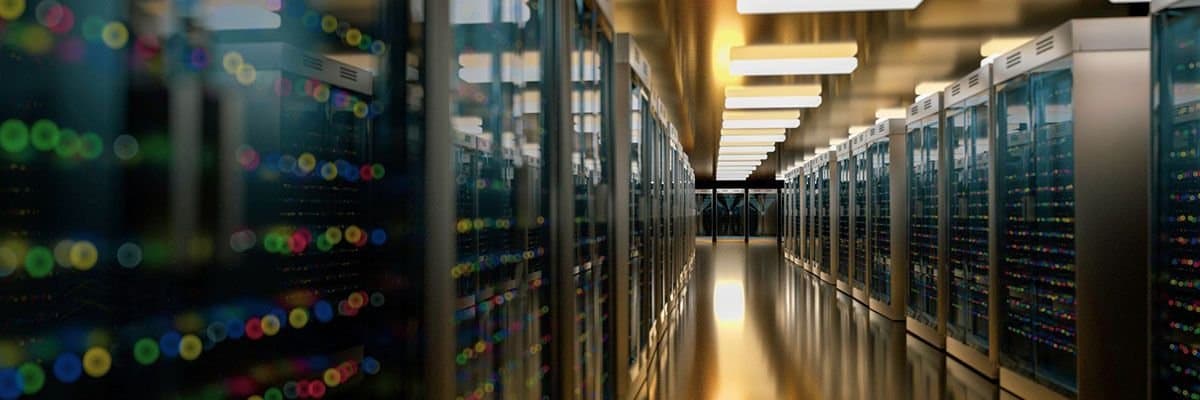
The rapid advancement of artificial intelligence (AI) technology is placing unprecedented demands on global datacentre infrastructure, pushing it to its physical limits. As next-generation silicon technology evolves, rack densities are transitioning from traditional single-digit kilowatts to configurations reaching up to one megawatt. This shift presents a crucial challenge for datacentre operators: how can they construct digital infrastructure today that will adequately support the hardware requirements of tomorrow?
In a recent interview with Computer Weekly in Singapore, Chris Sharp, the Chief Technology Officer of Digital Realty, discussed the developments in AI infrastructure and how his company is adapting to the fast-paced evolution of chip technology. Sharp emphasized the need for the industry to move away from the conventional megawatt metric and embrace a new paradigm of tokenomics, which focuses on the relationship between energy consumption and the production of AI tokens.
The Challenge of Rapid Innovation
Sharp highlighted the astonishing rate of innovation occurring not just in chip design but also within the software stack that supports these technologies. A significant challenge faced by datacentre operators is the need to align the rapid advancements in silicon technology with the more permanent nature of concrete datacentre structures. Each year, new chips impose different requirements regarding floor loading weights, power densities, and precision cooling systems, making it increasingly difficult to predict future needs.
To address these challenges, Digital Realty has formed a close partnership with Nvidia, utilizing their Brickyard facility in Manassas, Virginia, as a model for Nvidia's research and development within datacentres. Sharp noted a shift in societal tokens from physical bricks to AI tokens, indicating a transformation in what underpins modern infrastructure. However, he cautioned that to produce these AI tokens, operators must navigate severe constraints, including power availability and regulatory entitlements, especially in markets like Singapore where land and power are limited.
The Importance of Real-World Operations
Sharp also emphasized the necessity of distinguishing between marketing claims and operational realities. Despite claims of hardware capable of running fanless or utilizing warm water for cooling, he pointed out that few operators are willing to implement such systems due to potential biological risks. Digital Realty's extensive experience with liquid cooling over the past 15 years gives them a unique advantage compared to competitors who may boast about high power capacities without understanding the complexities of real-world applications.
The integration of various hardware types is also critical, as no single piece of hardware can fulfill all requirements. Sharp mentioned the exciting developments with Groq’s language processing units (LPUs), which have significantly increased rack densities from 40kW to 180kW for metropolitan deployments. The role of Samsung as a leading fabricator of these chips is also pivotal in this evolving narrative.
At Digital Realty, the focus is heavily on inference, where the true monetization of AI occurs. Enterprises are shifting their attention from training AI models to deploying private AI solutions, seeking to build foundational models while renting additional computational power as needed. Sharp has been testing various open-weight models, such as Kimi k2 and Qwen, on Nvidia's DGX Spark, which allows enterprises to operate high-performance environments without incurring excessive token costs. Digital Realty’s Innovation Labs aim to clarify these complexities for customers, ensuring that AI is treated as a practical tool rather than a mere experimental project.
Navigating the Future of Datacentre Infrastructure
The evolution of cooling technologies is also a significant consideration as rack densities increase. With Groq's infrastructure transitioning from air-cooled systems to configurations requiring rear-door heat exchangers or direct-to-chip liquid cooling, the need for appropriate infrastructure is paramount. Digital Realty aims to guide its customers in selecting the right infrastructure to meet their specific outcomes, recognizing that not all enterprises will adopt Nvidia's technology; some may prefer alternatives like Google’s tensor processing units (TPUs).
The construction of a datacentre typically spans two to three years, necessitating forward-thinking partnerships with leaders like Nvidia to ensure readiness for upcoming one-megawatt racks and next-generation hardware from manufacturers like AMD. The concept of digital twins is gaining traction, but customers are increasingly interested in running multiple environments globally while maintaining private connections.
Sharp noted that enterprises are becoming more proactive, asking if their datacentre environments can support new chips anticipated in the next few years. This shift reflects a growing awareness of the importance of densification in datacentre infrastructure. As traditional colocation services struggle to meet power demands, the industry is witnessing a shift towards higher density configurations.
In terms of market dynamics, Sharp pointed out that while Digital Realty services hyperscalers, the profile of enterprise customers is evolving, with many now considering megawatt-level infrastructure that they would have previously deemed unnecessary. The conversations around tokenomics—analyzing the value of AI tokens produced relative to energy costs—are becoming increasingly prevalent, indicating a shift in how enterprises evaluate their infrastructure investments.
Digital Realty is also committed to environmental, social, and governance (ESG) considerations, actively pursuing green energy solutions through solar and wind projects. The company is exploring partnerships with small modular reactor (SMR) manufacturers to enhance its sustainability efforts.
As demand for datacentre capacity continues to surge across various regions, Sharp emphasized that the ability to densify, connect, and efficiently utilize resources will be crucial. The future of datacentre infrastructure will not only hinge on total capacity but also on how effectively operators can manage the complexities of token production and energy consumption.
With the AI landscape evolving rapidly, the industry must remain vigilant in adapting to new technologies and methodologies. As Sharp noted, the chipset design fundamentally dictates datacentre architecture, and as advancements reach sub-two nanometer scales, the need for innovative cooling and packaging solutions will only intensify. Digital Realty is poised to navigate this frontier, ensuring that its infrastructure can support the next generation of AI technologies while maintaining a focus on operational excellence and sustainability.
Frequently asked questions
- What is tokenomics in the context of datacentres?
- Tokenomics refers to the relationship between energy consumption and the production of AI tokens, which are essential for monetizing AI technologies.
- How is Digital Realty adapting to the demands of AI technology?
- Digital Realty is aligning closely with chip manufacturers like Nvidia to ensure their datacentre infrastructure can support the evolving requirements of next-generation hardware.
- What challenges do datacentre operators face with increasing rack densities?
- Datacentre operators must address various challenges, including power availability, cooling requirements, and the need for modular designs that can accommodate rapidly changing chip technologies.
Related stories
AI & art news in your inbox, daily
The day's top stories, summarized. Free, no spam, unsubscribe anytime.