
Department of War deploys Ukraine-style drone boats to Middle East, signaling new era of low-cost AI warfare
Naturalnews.com · View original source
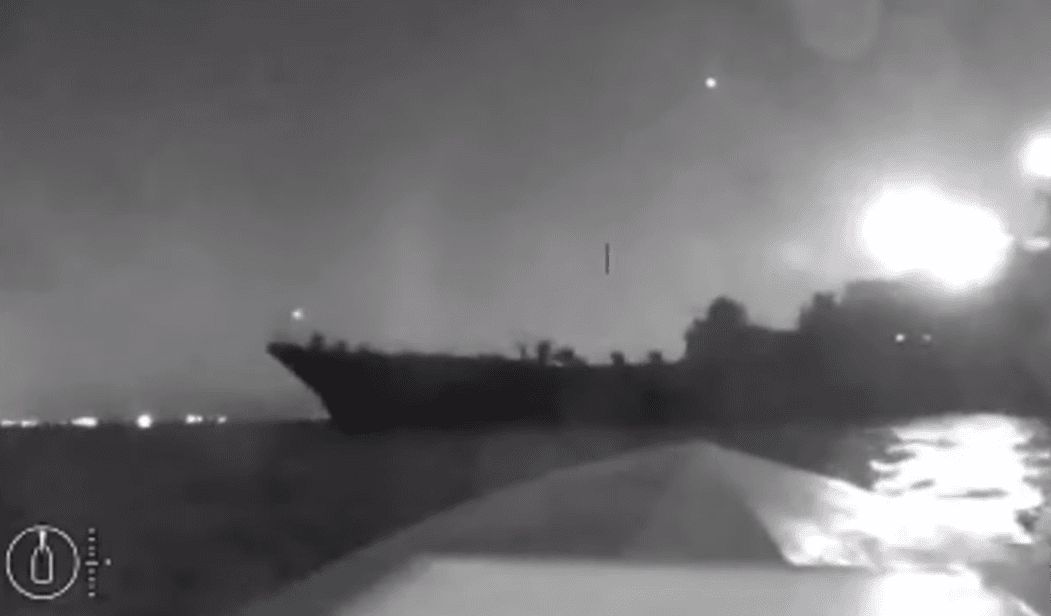
The Department of War has officially announced the deployment of Ukrainian-style drone boats in the Middle East, a move that signifies a transformative shift toward autonomous warfare in modern military strategy. Under the banner of Operation Epic Fury, these unmanned vessels, known as Global Autonomous Reconnaissance Craft (GARC), are being utilized for maritime reconnaissance missions, reflecting lessons learned from the ongoing conflict between Russia and Ukraine. This deployment not only underscores the increasing reliance on low-cost, autonomous systems but also marks a pivotal moment in how conflicts are approached and executed in contemporary warfare.
The GARC boats, developed by the Baltimore-based company BlackSea, are equipped with advanced sensors and artificial intelligence systems that allow them to operate independently in various maritime environments. According to Tim Hawkins, a spokesperson for Central Command, these vessels have already demonstrated their capabilities by logging over 450 hours of operation and covering more than 2,200 nautical miles during their patrols. This operational range and endurance are critical for the intelligence, surveillance, and reconnaissance (ISR) roles they are designed to fulfill, providing U.S. forces with enhanced situational awareness in a strategically vital region.
The Shift Toward Low-Cost Autonomous Warfare
The deployment of GARC drone boats is emblematic of a broader shift in military strategy towards scalable and cost-efficient warfare. Traditional naval assets often come with hefty price tags, sometimes reaching millions or even billions of dollars. In contrast, drone boats like the GARC offer a more economical alternative while still delivering significant strategic value. Their modular design allows for rapid adaptation to various mission requirements, making them particularly suited for the dynamic and often unpredictable environments of the Middle East.
Military analysts have noted that the lessons gleaned from the Russia-Ukraine conflict have been quickly integrated into U.S. military strategies. The effectiveness of low-cost, adaptable technologies, such as first-person-view (FPV) drones and autonomous ground robots, has been clearly demonstrated in that conflict. The GARC drone boats are part of this trend, which emphasizes the importance of affordability and versatility in modern warfare.
In addition to the GARC, U.S. forces have also reportedly deployed loitering munitions modeled after the Iranian-made Shahed-136. This pragmatic approach to adopting and adapting technologies from adversaries further illustrates the evolving nature of military strategy. As the Department of War continues to embrace these advanced technologies, Operation Epic Fury serves as a testing ground for next-generation combat systems, paving the way for future innovations in warfare.
Implications for Creators and Technologists
The increasing integration of artificial intelligence into military operations, particularly in the context of autonomous systems, has significant implications for both creators and technologists. The concept of 'kill chains,' which refers to the process of identifying, tracking, and engaging targets, is becoming more automated and reliant on AI-driven technologies. This evolution could lead to a future battlefield characterized by swarms of inexpensive yet effective machines, fundamentally altering the landscape of warfare.
For technologists, this shift presents both opportunities and challenges. On one hand, there is a growing demand for innovative solutions in the realm of autonomous systems, including drone technology and AI applications. On the other hand, ethical considerations surrounding the use of AI in combat must be addressed. The potential for increased lethality and rapid decision-making raises questions about accountability and the moral implications of deploying autonomous weapons.
As military powers around the world, including Russia and China, continue to invest in and innovate within the realm of autonomous systems, creators and technologists must remain vigilant. The future of warfare may not only involve advanced technologies but also require a reevaluation of the ethical frameworks that govern their use. The deployment of drone boats like the GARC is just the beginning of a new era in military strategy, one that emphasizes the importance of adaptability, cost-efficiency, and the integration of AI in combat operations.
In conclusion, the deployment of Ukrainian-style drone boats by the Department of War marks a significant milestone in the evolution of military strategy, reflecting a broader trend towards low-cost, autonomous warfare. As the landscape of conflict continues to change, the implications for creators and technologists will be profound, necessitating a careful consideration of the ethical dimensions of these advancements.
Frequently asked questions
- What are GARC drone boats?
- GARC stands for Global Autonomous Reconnaissance Craft, which are unmanned vessels designed for maritime reconnaissance and equipped with advanced sensors and AI systems.
- What is Operation Epic Fury?
- Operation Epic Fury is a military initiative by the Department of War that involves the deployment of drone boats in the Middle East, particularly aimed at enhancing surveillance and reconnaissance capabilities.
- How does the deployment of drone boats impact military strategy?
- The deployment of drone boats reflects a shift towards low-cost, autonomous warfare, emphasizing the need for scalable and adaptable military technologies in modern conflicts.
Related stories
AI & art news in your inbox, daily
The day's top stories, summarized. Free, no spam, unsubscribe anytime.