Darius Ou on building type systems from sci-fi, linguistics and G-code
Creative Boom · View original source
In a fascinating intersection of design, literature, and technology, Singapore-based designer Darius Ou is redefining the boundaries of typography and 3D printing. His recent work draws inspiration from science fiction and linguistics, merging these elements into a unique creative practice that challenges conventional design norms. By developing a custom typeface for a fictional academic field and creating innovative 3D-printed books, Ou exemplifies how research and narrative can shape contemporary design.
Darius Ou's journey into the world of design began while he was still in school, where he started freelancing and eventually established his own studio, which is now celebrating its 10th anniversary. His focus lies primarily in typography and motion graphics, collaborating with cultural institutions and artists. His talents have not gone unnoticed; in 2023, he was inducted into ADC New York's Young Guns 21, and his work has garnered accolades from prestigious organizations such as the Golden Pin Design Awards and the Type Directors Club in both Tokyo and New York.
One of the standout projects that Ou has undertaken is the visual identity for an exhibition inspired by Ursula K. Le Guin's short story, "The Author of the Acacia Seeds." This narrative introduces the concept of "therolinguistics," a fictional discipline aimed at translating literature from non-human species, such as penguins and ants. In response to this imaginative premise, Ou created a custom typeface that seeks to transcend traditional human-centric typography. He explains, "I designed a custom typeface that attempted to defy the conventions of 'human-centric' typography," emphasizing the importance of narrative in his design process. To further enrich the project, he crafted short lore that contextualizes his design choices within the fictional universe, likening it to a form of fan fiction.
Ou's creative approach is deeply rooted in his passion for understanding technology and its implications in design. He states, "I find a lot of inspiration from lore, from internet cultures, sci-fi literature and films, and also from sciences like physics and linguistics." This diverse range of influences allows him to delve deeply into projects, conducting thorough research to uncover conceptual angles that inform his typographic designs. Whether it's through custom lettering or variable fonts designed for animated sequences, Ou's work consistently reflects a thoughtful integration of narrative and technology.
A notable example of this approach is his work for artist Brandon Tay's solo exhibition, Form & Agency. For this project, Ou developed his first experimental typeface, titled "As above, so below," which features elongated ascenders and descenders that create vertical ligatures. This innovative design connects text not only horizontally across words but also vertically across lines, a concept that Ou achieved through a combination of mathematical principles and coding. In the exhibition space, this verticality was physically manifested, with text strategically placed along walls and doorways, further enhancing the viewer's experience.
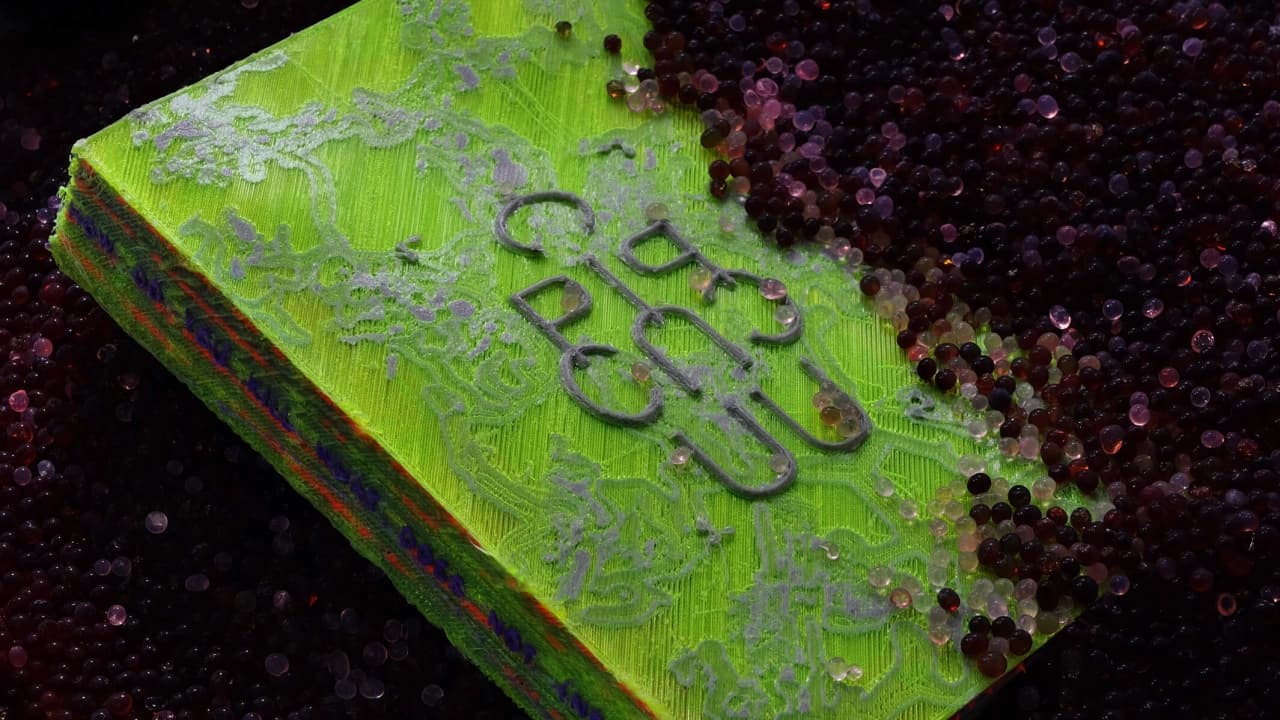
In addition to his typographic endeavors, Ou also runs hyperpress, a research initiative dedicated to exploring the intersection of graphic design and 3D printing. Over the past five years, hyperpress has produced six 3D-printed books, three of which are now part of the Singapore Art Museum Design Collection and the Victoria and Albert Museum. His latest book, titled Manual, co-created with researcher Benson Chong, exemplifies the innovative spirit of hyperpress. This fully 3D-printed book incorporates raised marks of the G-code used in its production, effectively embedding the instructions for its own replication within the object itself. The book is printed in a single sequence, fully bound, and directly off the print bed, showcasing the potential of 3D printing in publishing.
Ultimately, Darius Ou's work is driven by a desire to evoke curiosity in his audience. He hopes that viewers will experience the same sense of wonder he felt when first engaging with the subject matter. Looking ahead, Ou is set to create a new 3D-printed object for hyperpress, this time with even more extensive academic research underpinning the project. As he continues to push the boundaries of design through the fusion of technology and narrative, it will be exciting to see how his innovative approach evolves in the future.
Why it matters
Darius Ou's work highlights the growing importance of interdisciplinary approaches in design, particularly as technology continues to evolve. By integrating elements from science fiction and linguistics, Ou not only creates visually compelling designs but also encourages deeper engagement with the narratives behind them. This practice serves as a reminder of the potential for designers to draw inspiration from diverse fields, fostering creativity that transcends traditional boundaries.
For creators and technologists, Ou's exploration of 3D printing within graphic design offers valuable insights into the future of publishing and typography. As the capabilities of 3D printing technology expand, there is an opportunity for designers to experiment with new forms and materials, leading to innovative solutions that challenge conventional design practices. Ou's work exemplifies how curiosity and research can drive creative processes, inspiring others to explore the intersections of technology, narrative, and design in their own practices.
Frequently asked questions
- What is 'therolinguistics'?
- 'Therolinguistics' is a fictional academic field introduced in Ursula K. Le Guin's short story that aims to translate literature from non-human species.
- What is hyperpress?
- Hyperpress is a research arm founded by Darius Ou that focuses on exploring 3D printing within graphic design and publishing.
- What is the significance of Darius Ou's custom typeface?
- Ou's custom typeface challenges traditional human-centric typography by incorporating elements from fictional narratives, demonstrating the potential of design to convey complex ideas.
Related stories
AI & art news in your inbox, daily
The day's top stories, summarized. Free, no spam, unsubscribe anytime.