
Cursor refreshes its vibe coding platform with focus on AI agents
SiliconANGLE News · View original source
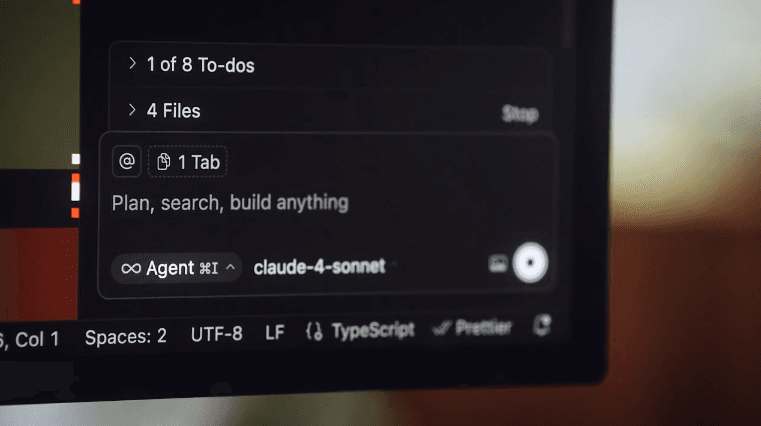
Startup Cursor has unveiled a significant update to its artificial intelligence coding platform, introducing a new version designed to enhance the automation of programming tasks through the use of AI agents. This latest iteration, known as Cursor 3, aims to streamline the development process for programmers by integrating advanced features that facilitate the creation and debugging of code.
The new platform release comes as Cursor has successfully raised over $3 billion in funding from notable investors such as Nvidia Corp. and Google LLC. The company’s code editor leverages AI to automate various programming tasks, including the development of new application features and the debugging of existing code. Cursor's technology is powered by both widely used large language models (LLMs) like Claude and proprietary algorithms developed in-house.
Key Features of Cursor 3
One of the standout features of Cursor 3 is the introduction of a chatbot interface. This interface allows developers to input natural language descriptions of the features they wish to create, alongside specifying which LLM should execute the task. In response, Cursor 3 generates the requested code and provides a demo video that illustrates its functionality.
The platform employs multiple AI agents to fulfill user-defined tasks, with some agents operating in the cloud and others installed locally on the user's machine. This dual-agent system enables developers to manage both types of agents from a newly integrated sidebar. The cloud-based agents benefit from greater hardware resources, allowing them to run numerous tasks concurrently, thus expediting the completion of time-intensive processes. Conversely, desktop agents, while slower, allow developers to directly access, edit, and test the generated code on their local systems.
Cursor 3 facilitates a seamless transition between these two modes, enabling developers to utilize cloud-based agents for initial code generation and subsequently transfer the code to desktop agents for local modifications. The platform's internally developed LLM, Composer 2, which was introduced last month, is particularly advantageous for such tasks due to its cost-effectiveness compared to other LLMs supported by Cursor.
In addition to the chatbot interface, Cursor 3 introduces a Design Mode feature for users editing user interfaces. This mode allows developers to select interface elements and input natural language descriptions of the desired changes. Cursor's AI agents then automatically implement these modifications, significantly enhancing workflow efficiency.
Cursor 3 also provides a comprehensive overview of each task it completes, offering natural language explanations for every substep, highlighting any errors encountered, and displaying screenshots of its work. Developers can further refine the workflow by providing feedback directly within the platform.
The update includes several additional enhancements, such as a new shortcut that enables developers to send requests to multiple LLMs simultaneously and select the most effective response. Another improvement accelerates the review process of code changes before they are deployed into production, ensuring a smoother transition from development to live environments.
Why it matters
The release of Cursor 3 represents a significant advancement in the realm of AI-assisted programming tools, particularly for developers seeking to streamline their workflows and enhance productivity. By integrating a chatbot interface and multiple AI agents, Cursor is positioning itself as a leader in the automation of coding tasks. This shift not only simplifies the coding process for developers but also empowers them to focus on more complex aspects of software development, potentially leading to higher quality applications.
For technologists and creators, the implications of Cursor 3 are substantial. The ability to switch between cloud-based and local agents allows for greater flexibility in managing resources and optimizing performance based on specific project needs. Additionally, the introduction of Design Mode and the detailed task overviews provide a more intuitive and user-friendly experience, which is essential in a fast-paced development environment.
As AI continues to evolve within the coding landscape, tools like Cursor 3 may set new standards for how developers interact with technology, fostering an ecosystem where automation and human creativity coexist harmoniously. The advancements made by Cursor not only enhance the coding experience but also pave the way for future innovations in AI-driven software development.
In conclusion, Cursor 3's focus on AI agents and automation marks a pivotal moment for developers, offering them powerful tools to enhance their productivity and creativity in the coding process.
Frequently asked questions
- What is Cursor 3?
- Cursor 3 is the latest version of Cursor's AI coding platform, designed to automate programming tasks using AI agents.
- How does the chatbot interface work?
- The chatbot interface allows developers to describe features in natural language and specify which AI model should generate the code.
- What are the benefits of using cloud-based AI agents?
- Cloud-based AI agents have access to more hardware resources, enabling them to run multiple tasks in parallel, which speeds up the completion of time-consuming programming tasks.
Related stories
AI & art news in your inbox, daily
The day's top stories, summarized. Free, no spam, unsubscribe anytime.