
China Approves First Commercial Brain-Computer Chip; Neuralink Still Awaiting FDA Clearance
Naturalnews.com · View original source
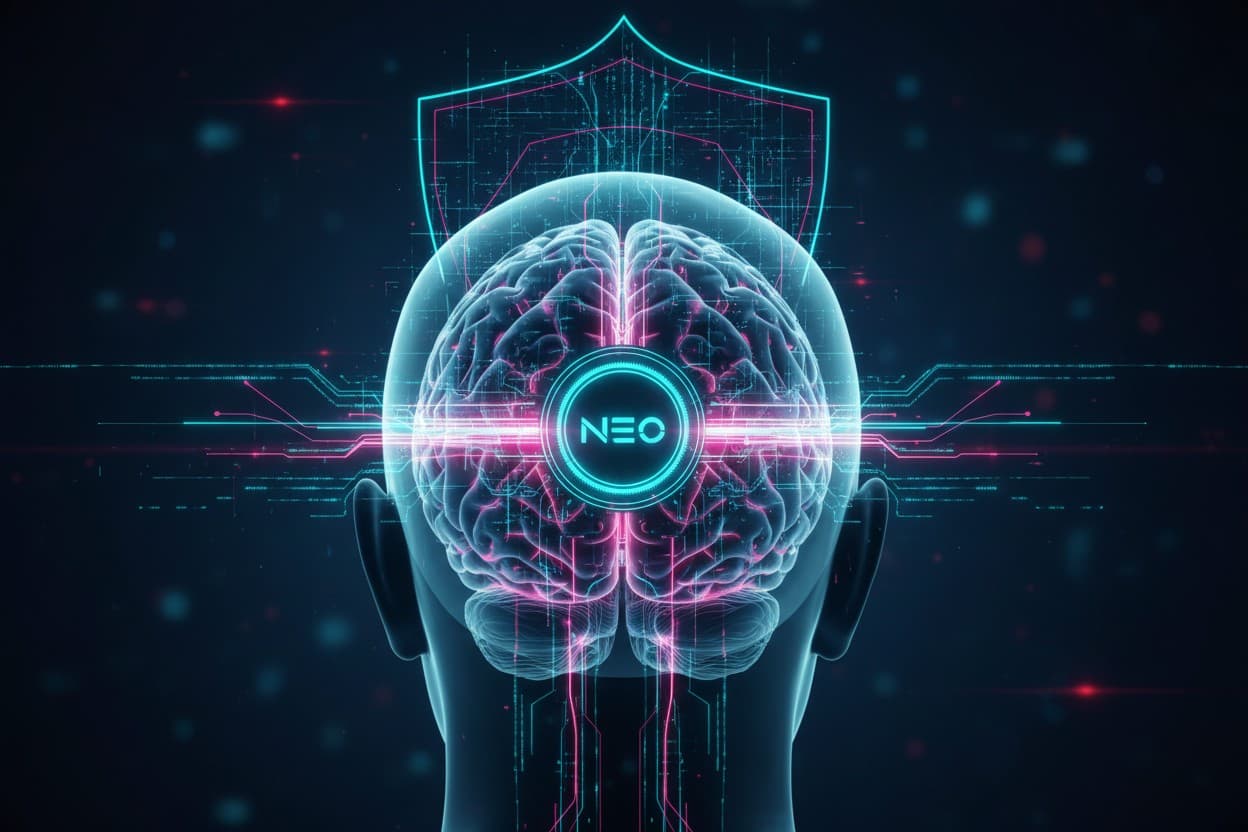
In a significant advancement for brain-computer interface technology, researchers from Tsinghua University in Beijing, in collaboration with Neuracle Technology, have developed a new device known as the NEO. This innovative brain-computer chip has successfully passed clinical trials and is now approved for commercial sale in China. The NEO device is designed to be placed between the skull and the brain, utilizing eight sensors that press against the dura mater—the brain's protective outer layer—to capture neural signals. This achievement marks a pivotal moment in the ongoing race to develop brain-computer interfaces, particularly as Elon Musk's Neuralink continues to await Food and Drug Administration (FDA) approval for its own device.
The Race Between Neuralink and NEO
Neuralink, founded by Elon Musk, has been in the spotlight for its ambitious plans to create brain-computer interfaces. However, as of now, the company has not received FDA approval for general use. Neuralink is currently conducting trials of its N1 implant on nine patients under an investigational device exemption. Musk has previously characterized brain-computer technology as "Jesus-level technologies," highlighting its transformative potential. One trial participant, Audrey Crews, shared her experience on social media, stating, "I tried writing my name for the first time in 20 years. I'm working on it."
The N1 device developed by Neuralink is more invasive than the NEO, as it requires piercing the cerebral cortex to access brainwaves. This method carries higher risks, including bleeding, infection, and tissue damage. In contrast, the NEO's design minimizes invasiveness, which may explain its quicker path to market approval. Avinash Singh, a researcher at the University of Technology Sydney, noted that the less invasive nature of the Chinese design could be a significant factor in its regulatory success.
Risks and Ethical Concerns
As brain-computer interfaces become more prevalent, experts are raising alarms about the potential risks associated with such technologies. One major concern is the possibility of hacking, which could allow unauthorized access to sensitive neural data, including thoughts and memories. Dr. David Tuffley, a cybersecurity expert at Griffith University, warned that this technology could theoretically enable hackers to impair cognitive functions or manipulate motor signals, affecting how well individuals move.
Privacy issues are at the forefront of discussions surrounding brain-computer interfaces. A report from NaturalNews.com emphasizes the ethical concerns regarding privacy, surveillance, and the potential misuse of data extracted from brain implants. The question of data ownership is particularly pressing; there are fears that corporations or organized crime could exploit this neural data. Elana Freeland, in her book "Geoengineered Transhumanism," discusses how devices like smart meters collect and sell data, drawing parallels to the potential commercialization of neural data. Additionally, Harrison Smith of "The American Journal" has expressed concerns about the implications of remote control over human thought processes.
Technical Aspects and Future Implications
The NEO device is engineered to minimize tissue damage by resting between the skull and the brain instead of penetrating brain tissue. It employs eight sensors that connect to an external processing hub, which translates brainwaves into digital commands. During clinical trials, 36 patients have tested the NEO implant, with reported success in its functionality. In contrast, the Neuralink N1 prototype's invasive nature poses greater risks of physical damage, which could affect neighboring brain regions.
The Chinese approach to brain-computer interfaces emphasizes reduced invasiveness, potentially accelerating regulatory approval processes. Proponents of brain-computer interfaces envision a future where humans and artificial intelligence merge seamlessly. Venture capitalist Scott Phoenix articulated this vision during a TED talk, suggesting that we are on the brink of a transformative transition. Investment analytics firm Future Market Insights predicts that the current $490 million industry will expand to $1.7 billion by 2035, indicating a growing interest in this technology.
Despite the promise of brain-computer interfaces, concerns about surveillance and control remain prevalent. The book "The Omni War: Decentralizing Humanity Against the Technocratic Onslaught" warns that the rise of technocracy poses a threat to human freedom, suggesting that a digitized existence could replace organic life. Moreover, the World Economic Forum has suggested potential benefits of implanting microchips in children, further complicating the ethical landscape surrounding these technologies.
As brain-computer interface technology continues to evolve, the need for careful oversight and ethical considerations becomes increasingly critical. The approval of the NEO device in China could herald a new era in the development and commercialization of brain-computer interfaces, but it also raises significant questions about privacy, security, and the future of human autonomy in an increasingly technological world.
Frequently asked questions
- What is the NEO brain-computer chip?
- The NEO is a brain-computer chip developed by researchers at Tsinghua University and Neuracle Technology, designed to capture neural signals through sensors placed between the skull and the brain.
- How does the NEO differ from Neuralink's N1 implant?
- The NEO is less invasive, as it does not penetrate brain tissue, while Neuralink's N1 implant requires piercing the cerebral cortex, which carries greater risks.
- What are the privacy concerns associated with brain-computer interfaces?
- Experts warn that brain-computer interfaces could allow unauthorized access to sensitive neural data, raising significant ethical concerns about privacy, surveillance, and data ownership.
Related stories
AI & art news in your inbox, daily
The day's top stories, summarized. Free, no spam, unsubscribe anytime.