
Can Elon Musk's Terafab turn chip independence into reality—or is it too ambitious to succeed?
Digitimes · View original source
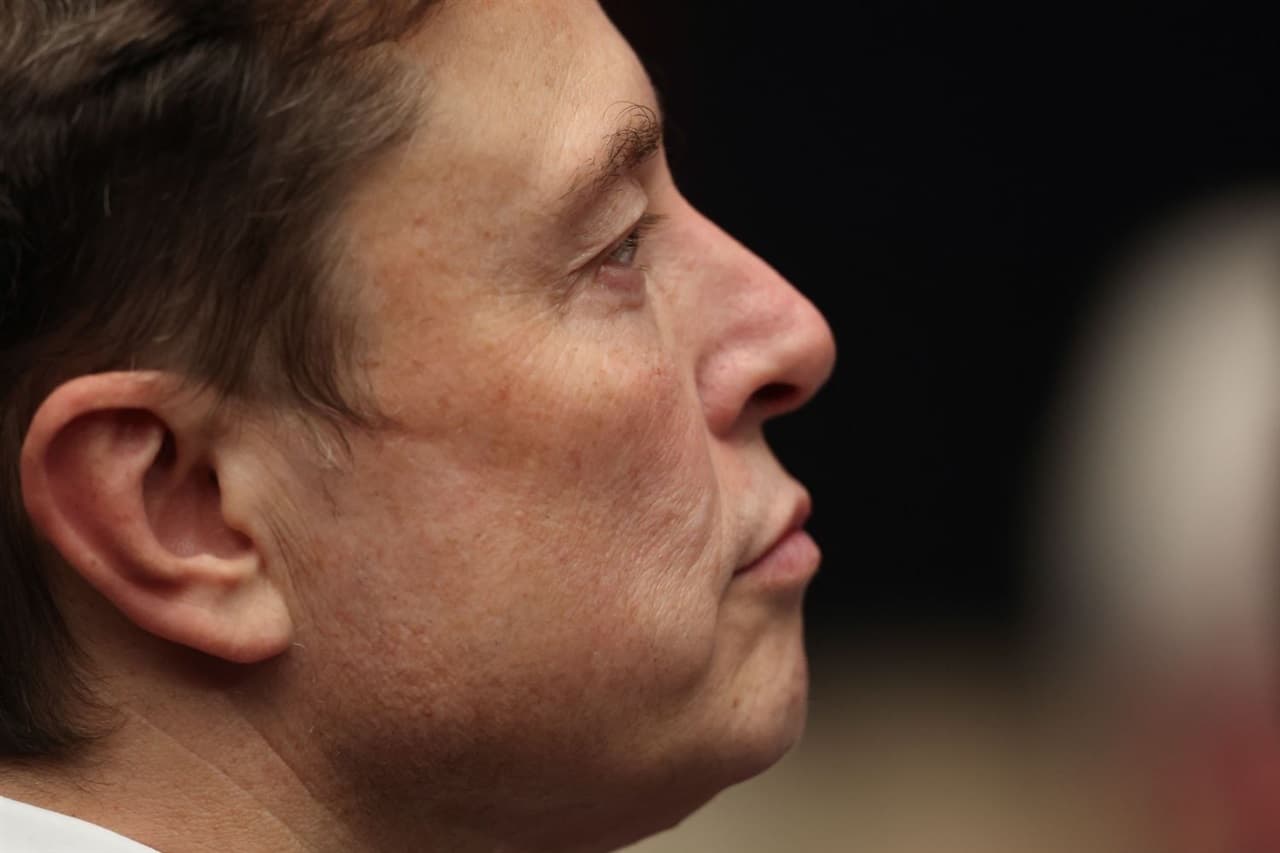
Elon Musk has recently introduced a groundbreaking initiative known as "Terafab," which aims to enable Tesla and SpaceX to design and manufacture their own semiconductors. This ambitious project is focused on creating chips specifically tailored for applications in artificial intelligence, robotics, and space-based data centers. By establishing Terafab, Musk is positioning his companies to achieve greater independence in semiconductor production, a critical component in today’s technology landscape.
The Terafab initiative comes at a time when the global semiconductor supply chain is facing significant challenges. Companies like Nvidia are reshuffling the landscape of AI technology, which could potentially weaken Taiwan's dominance in semiconductor manufacturing. This shift highlights the increasing importance of self-sufficiency in chip production, particularly for companies that rely heavily on advanced technologies.
The Vision Behind Terafab
Musk's vision for Terafab is not merely about producing chips; it is about redefining how semiconductors are developed and integrated into various technologies. The goal is to create a streamlined process that allows for rapid innovation and adaptation to the evolving demands of AI and robotics. By bringing semiconductor design and manufacturing in-house, Tesla and SpaceX could enhance their operational efficiency and reduce reliance on external suppliers, which have been prone to disruptions.
This initiative also reflects a broader trend in the tech industry, where companies are increasingly looking to control their supply chains. The pandemic highlighted vulnerabilities in global supply chains, prompting many firms to reconsider their strategies. Terafab could serve as a model for other tech companies seeking to mitigate risks associated with outsourcing semiconductor production.
Challenges Ahead
Despite the ambitious nature of Terafab, several challenges loom on the horizon. The semiconductor industry is notoriously complex, requiring significant investment in technology, expertise, and infrastructure. Establishing a new manufacturing facility capable of producing advanced chips is a monumental task that involves navigating regulatory hurdles, securing funding, and attracting skilled talent.
Moreover, the competitive landscape is fierce. Established players in the semiconductor market have decades of experience and substantial resources at their disposal. Competing against these giants will require not only innovative technology but also strategic partnerships and a clear understanding of market dynamics.
Why it matters
The implications of Terafab extend beyond Musk's companies. For creators and technologists, the success or failure of this initiative could reshape the future of semiconductor production. If Terafab succeeds, it may inspire other companies to pursue similar self-sufficiency strategies, leading to a more decentralized semiconductor landscape.
This shift could foster greater innovation in chip design and manufacturing, as companies experiment with new technologies tailored to their specific needs. Additionally, it could lead to a more resilient supply chain, less susceptible to the fluctuations that have characterized the industry in recent years.
On the other hand, if Terafab does not meet its ambitious goals, it may serve as a cautionary tale about the risks of overextending in a highly specialized field. The semiconductor industry requires not only vision but also a pragmatic approach to execution, and the challenges Musk faces are significant.
In conclusion, while Terafab represents a bold step towards chip independence, its success will depend on overcoming substantial technical and logistical challenges. The outcome will be closely watched by industry stakeholders, as it could set a precedent for the future of semiconductor manufacturing in an increasingly technology-driven world.
Frequently asked questions
- What is Terafab?
- Terafab is an initiative introduced by Elon Musk aimed at allowing Tesla and SpaceX to design and manufacture their own semiconductors for various applications.
- Why is chip independence important?
- Chip independence is important because it reduces reliance on external suppliers, mitigates risks associated with global supply chain disruptions, and allows for tailored innovations in technology.
- What challenges does Terafab face?
- Terafab faces challenges such as the complexity of semiconductor manufacturing, significant investment requirements, and competition from established players in the industry.
Related stories
AI & art news in your inbox, daily
The day's top stories, summarized. Free, no spam, unsubscribe anytime.