
Cadence, Nvidia deepen AI partnership to reshape chip design and robotics
Digitimes · View original source
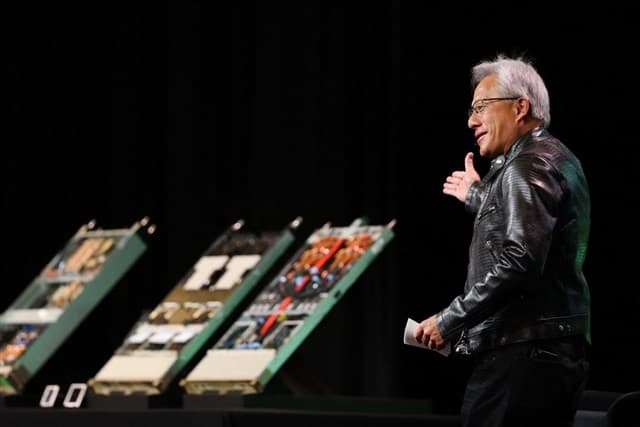
In a significant development within the semiconductor industry, Cadence Design Systems and Nvidia have announced an expansion of their partnership aimed at enhancing the integration of artificial intelligence (AI) into semiconductor design, robotics, and large-scale AI infrastructure. This announcement was made during the CadenceLIVE Silicon Valley 2026 event, highlighting the companies' commitment to leveraging AI technologies to reshape these critical sectors.
The collaboration between Cadence and Nvidia is poised to accelerate advancements in chip design, which is increasingly reliant on AI to optimize performance and efficiency. By combining Cadence's expertise in electronic design automation (EDA) with Nvidia's powerful AI computing capabilities, the partnership aims to streamline the design process, making it faster and more efficient. This is particularly crucial as the demand for more sophisticated and capable chips continues to grow across various applications, including consumer electronics, automotive systems, and industrial automation.
The Role of AI in Semiconductor Design
Artificial intelligence is becoming a transformative force in semiconductor design, enabling engineers to tackle complex challenges that traditional design methods struggle to address. With the integration of AI, designers can analyze vast amounts of data and identify patterns that lead to more effective design choices. This not only speeds up the design process but also enhances the performance and reliability of the final products.
Nvidia's contributions to this partnership are particularly noteworthy, as the company has established itself as a leader in AI computing. Its graphics processing units (GPUs) are widely used in AI applications, providing the necessary computational power to train and deploy AI models. By collaborating with Cadence, Nvidia can further extend the reach of its technologies into the semiconductor design realm, potentially leading to breakthroughs in chip architecture and functionality.
Implications for Robotics and AI Infrastructure
The partnership's focus on robotics is also significant, as AI plays a critical role in enabling machines to perform tasks autonomously. As robotics technology advances, the need for sophisticated chips that can process AI algorithms in real-time becomes paramount. The collaboration between Cadence and Nvidia aims to address this need by creating designs that optimize the performance of AI-driven robots, enhancing their capabilities and applications in various industries.
Moreover, the emphasis on large-scale AI infrastructure suggests that the partnership could have far-reaching implications for data centers and cloud computing. As organizations increasingly rely on AI for data analysis and decision-making, the demand for robust infrastructure that can support these technologies is growing. By integrating AI into semiconductor design, Cadence and Nvidia are positioning themselves to meet this demand, potentially reshaping how AI infrastructure is built and operated.
Why it matters
The deepening partnership between Cadence and Nvidia marks a pivotal moment in the intersection of AI and semiconductor design. For creators and technologists, this collaboration signifies the potential for more innovative and efficient tools that can enhance the design and development processes across various fields. As AI continues to evolve, the integration of these technologies into chip design and robotics could lead to the creation of smarter, more capable devices that can transform industries.
Furthermore, this partnership highlights the importance of collaboration in the tech industry. By combining strengths and expertise, companies like Cadence and Nvidia can drive advancements that may not be achievable in isolation. For technologists, this serves as a reminder of the value of partnerships in fostering innovation and pushing the boundaries of what is possible in technology.
In conclusion, the expanded partnership between Cadence and Nvidia not only aims to reshape chip design and robotics but also underscores the growing importance of AI in these fields. As the industry continues to evolve, the implications of this collaboration will likely resonate across various sectors, influencing how technology is developed and implemented in the future.
Frequently asked questions
- What is the significance of the Cadence and Nvidia partnership?
- The partnership aims to accelerate the use of AI in semiconductor design and robotics, potentially leading to more efficient and capable technologies.
- How does AI impact semiconductor design?
- AI helps engineers analyze large data sets to identify design patterns, improving the speed and reliability of chip designs.
- What are the potential applications of this partnership?
- The collaboration could enhance applications in consumer electronics, automotive systems, and industrial automation, among others.
Related stories
AI & art news in your inbox, daily
The day's top stories, summarized. Free, no spam, unsubscribe anytime.