
Amazon designs custom AI chips for Echo and Fire TV devices
Crypto Briefing · View original source
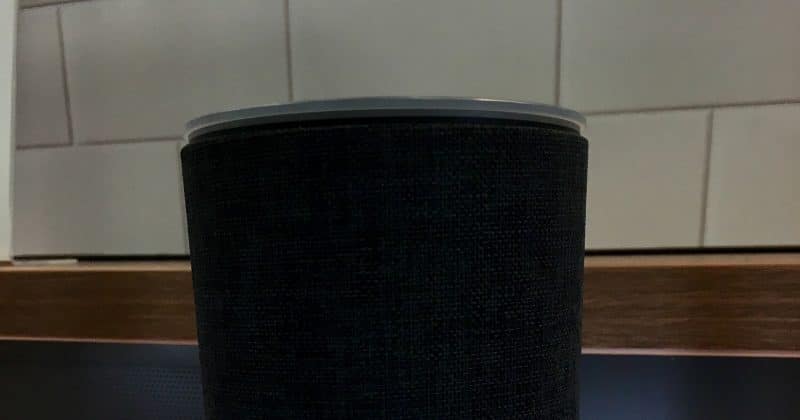
Amazon has unveiled its latest innovation in consumer technology with the introduction of custom-designed AZ3 and AZ3 Pro silicon chips. These chips are specifically engineered for devices such as the Echo and Fire TV, bringing dedicated AI accelerators that enable advanced processing capabilities directly on the hardware. This strategic move marks a significant shift in how Amazon's devices handle artificial intelligence workloads, reducing reliance on cloud services and enhancing on-device processing efficiency.
The AZ3 and AZ3 Pro chips are designed to streamline the way voice commands and other AI tasks are processed. Traditionally, voice commands would be sent to a remote data center, where they would be processed and returned to the device. However, with the new chips, many AI tasks can now be handled locally. This shift not only improves response times but also enhances the overall user experience. Amazon claims that this local processing results in a more than 50% improvement in wake-word detection for the Echo Dot Max, alongside significantly better background noise filtering, making interactions with the device more seamless and effective.
The AZ3 chip is tailored for devices like the Echo Dot Max, while the AZ3 Pro is aimed at more demanding hardware such as the Echo Studio. Both chips feature dedicated AI accelerators, which are specialized processing units designed to efficiently run machine learning models at the edge of the network. This means that the devices can perform complex tasks without needing to communicate with the cloud, leading to faster and more reliable performance.
In addition to these chips, Amazon has introduced a platform called Omnisense, which is designed to enhance audio processing and environmental sensing capabilities. The integration of advanced microphone arrays with on-device AI allows for improved speech recognition, even in noisy environments. This capability is particularly crucial for smart home devices that need to accurately interpret commands amidst background noise.
The broader lineup of devices announced on September 30, 2025, includes the Echo Dot Max, Echo Studio, Echo Show 8, and Echo Show 11. Each of these devices comes equipped with Alexa+ Early Access, which represents Amazon’s next-generation AI assistant. This new version of Alexa is designed to provide more personalized and proactive interactions, further enhancing the user experience. The Echo Dot Max and Echo Studio began shipping around October 29-30, 2025, with the Echo Show models following on November 12, 2025.
Amazon’s strategy also extends to its Fire TV products, where Alexa+ is being integrated across its home entertainment lineup. This approach positions the custom chips as foundational elements of a unified smart home ecosystem, allowing for a more cohesive user experience across different devices.
The development of the AZ3 and AZ3 Pro chips is not a sudden pivot for Amazon into chip manufacturing. Rather, it is the culmination of a long-term strategy that began with the acquisition of Annapurna Labs in 2015. This Israeli chip design firm has been instrumental in Amazon’s efforts to build custom silicon capabilities. Furthermore, Amazon's cloud division, AWS, has previously released multiple generations of custom processors, including Graviton for general computing, Inferentia for AI inference, and Trainium for model training. The introduction of the AZ3 chips brings this same philosophy of in-house chip design down to the consumer device level, enhancing the capabilities of Amazon's hardware offerings.
As Amazon continues to innovate in the consumer technology space, the introduction of these custom AI chips signals a commitment to improving user experience through advanced processing capabilities. By reducing cloud dependence and enhancing on-device processing, Amazon is setting the stage for a new era of smart home devices that are more responsive and capable than ever before.
Why it matters
The introduction of the AZ3 and AZ3 Pro chips is significant for both creators and technologists, as it highlights a growing trend towards localized processing in consumer devices. For creators, this means that the devices they design and interact with will be equipped with more powerful processing capabilities, allowing for richer and more complex interactions. The improved wake-word detection and background noise filtering can enhance the functionality of applications and services built around voice interaction.
For technologists, the move towards dedicated AI accelerators in consumer hardware underscores the importance of edge computing. By processing data closer to where it is generated, companies can reduce latency, improve security, and enhance user experiences. This shift may inspire other tech firms to explore similar paths, potentially leading to a more competitive landscape in the smart device market.
Overall, Amazon's advancements in custom silicon design not only bolster its own product lineup but also set a precedent for the future of AI in consumer technology, emphasizing the importance of on-device processing capabilities in an increasingly connected world.
Frequently asked questions
- What are the AZ3 and AZ3 Pro chips?
- The AZ3 and AZ3 Pro chips are custom-designed silicon chips by Amazon that feature dedicated AI accelerators for processing AI tasks directly on devices like the Echo and Fire TV.
- How do these chips improve device performance?
- These chips allow devices to process voice commands and other AI tasks locally, resulting in faster response times and improved functionalities such as better wake-word detection and noise filtering.
- What is Omnisense?
- Omnisense is a platform introduced by Amazon that enhances audio processing and environmental sensing capabilities in its devices, leveraging advanced microphone arrays and on-device AI.
Related stories
AI & art news in your inbox, daily
The day's top stories, summarized. Free, no spam, unsubscribe anytime.