
AI's role in fitness: Balancing benefits against potential risks
The Star Online · View original source
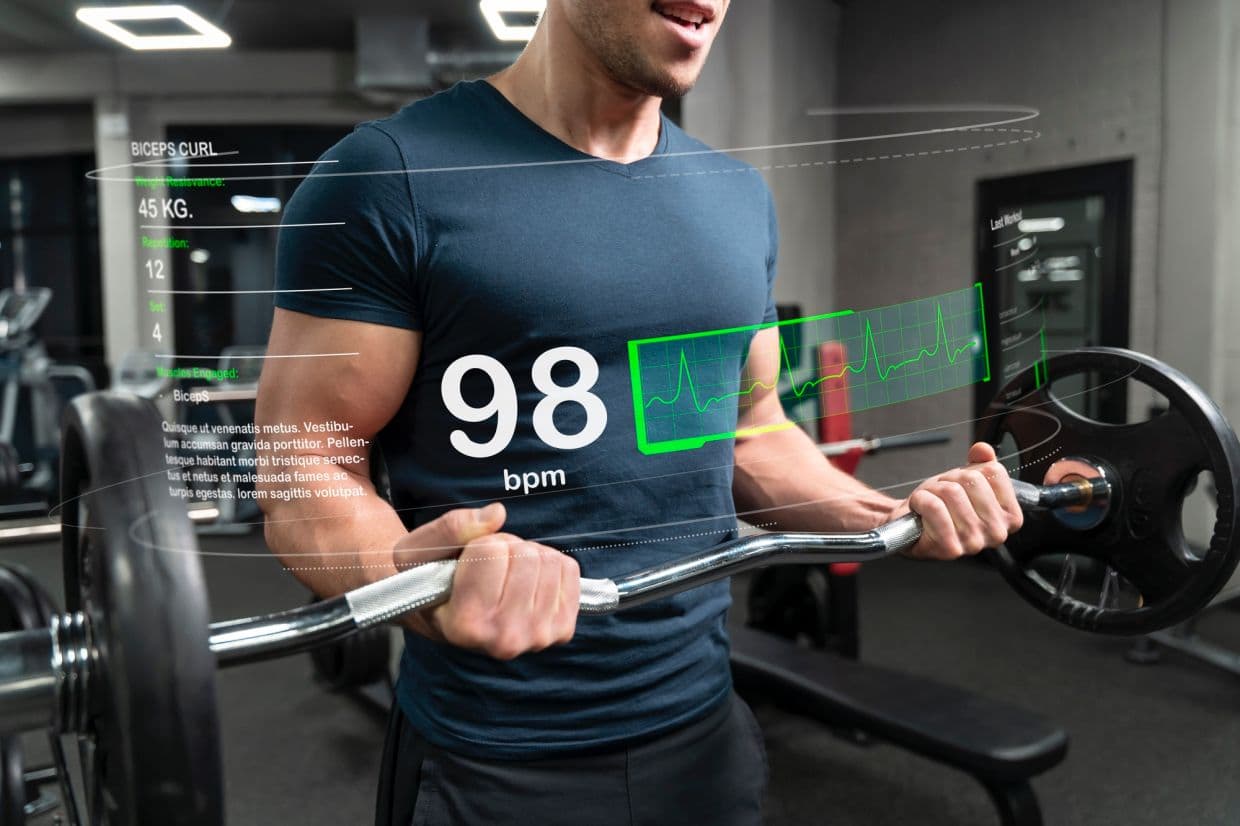
The integration of artificial intelligence (AI) into the fitness industry is reshaping how individuals approach their health and exercise regimes. While AI chatbots have become commonplace in various sectors, their role as personal digital coaches is gaining traction among fitness enthusiasts. This shift highlights both the benefits and potential risks associated with relying on AI for personal health management.
The Rise of AI in Fitness
Rizal Kamal, a 49-year-old who began his fitness journey in 2024, exemplifies the growing trend of utilizing AI for personal training. Weighing 94kg at the start, Rizal aimed to transform his body and health. He joined a fitness challenge focused on fat loss, but quickly realized he lacked the knowledge to effectively lose fat rather than just weight. By employing AI, he was able to set personalized goals based on various metrics such as weight, height, age, body fat, and skeletal muscle mass. This tailored approach enabled him to create a comprehensive fitness program.
Rizal turned to the pro version of ChatGPT as a personal trainer and meal planner, asking detailed questions about fat loss principles and nutritional strategies. This interaction not only enhanced his understanding of nutrition but also informed his workout regimen, balancing weight training with his enjoyment of playing pickleball. His continuous dialogue with the AI allowed him to fine-tune his fat loss journey, ultimately leading to a weight loss of 14kg.
Similarly, Ben Trenchard, 43, utilized an AI-powered fitness application called Runna to prepare for the Subang Jaya Half Marathon. His journey into AI began in a professional context, where he led AI implementation at work. After experiencing its capabilities in a corporate setting, he decided to apply AI to his personal fitness goals, including nutrition planning and structured workout tracking. Runna provided him with AI-generated pre- and post-workout analyses, enhancing his training experience.
The Importance of Detailed Inputs
Both Rizal and Trenchard discovered that the effectiveness of AI in their fitness journeys depended significantly on the quality of the data they provided. Rizal emphasized the importance of context, stating that detailed inputs from body scans allowed the AI to offer more accurate guidance. This principle of “garbage in, garbage out” underscores the necessity of providing comprehensive information to achieve optimal results.
Trenchard took a step further by developing a hands-free, voice-to-text gym workout tracking tool using AI coding. This innovation allowed him to maintain focus during workouts while efficiently logging his progress. Meanwhile, Josh Foong, a 33-year-old cyclist, integrated AI into his rigorous training routine of cycling 200km to 300km weekly. He used a platform called Intervals.icu to track various metrics and synced this data with Claude, an AI platform, to gain insights into his performance and fatigue levels. This integration enabled him to analyze his rides and make informed adjustments to his training.
Despite the advantages of AI in fitness, both Rizal and Trenchard maintain a level of skepticism towards its recommendations. Foong, for instance, often challenges the AI’s suggestions, recognizing that it can sometimes generate nonsensical training plans or recovery times. His extensive experience in bodybuilding allows him to discern when the AI is not aligned with his physical needs. This critical approach reflects a broader understanding among users that AI should not be viewed as an infallible authority.
The Risks of AI in Health Management
While the accessibility of AI offers numerous benefits, experts caution against potential pitfalls, particularly regarding data privacy and the quality of medical advice. A study from the University of Oxford revealed that AI systems often deliver a mix of accurate and inaccurate health recommendations, complicating users' ability to make informed decisions. Dr. Rebecca Payne, the lead medical practitioner on the study, highlighted the challenges in developing AI systems that can reliably support users in sensitive health matters.
Furthermore, privacy concerns arise when users share detailed medical information with AI chatbots. Research from Stanford University indicated that many companies utilize user data to enhance their AI models, often without clear user consent. Dr. Rainu Kaushal emphasized that even anonymized medical data can sometimes be traced back to individuals, raising significant ethical concerns about data handling.
Rizal’s journey illustrates that while AI can serve as a valuable tool for personal accountability and education, it should not replace professional medical advice. Dr. Aiesha Asmadi, a sports medicine expert, reiterated that AI is an excellent resource for knowledge and data collection but falls short as a substitute for a trained medical professional. She advocates for using AI to complement expert guidance rather than as a standalone solution.
In conclusion, the integration of AI into fitness presents both opportunities and challenges. As individuals like Rizal, Trenchard, and Foong navigate their fitness journeys with AI, they highlight the importance of critical engagement with the technology. While AI can enhance understanding and efficiency in personal health management, users must remain vigilant about its limitations and the implications of sharing sensitive data.
Frequently asked questions
- How is AI used in fitness?
- AI is used in fitness as a personal digital coach, helping users set personalized goals, create workout plans, and manage nutrition based on detailed data inputs.
- What are the risks of using AI for health advice?
- The risks include receiving inaccurate health recommendations and concerns about data privacy, as sensitive information shared with AI may be used without user consent.
- Can AI replace professional medical advice?
- No, AI should complement professional medical advice rather than replace it, as it lacks the nuanced understanding and expertise of a trained medical professional.
Related stories
AI & art news in your inbox, daily
The day's top stories, summarized. Free, no spam, unsubscribe anytime.