
AI shifts work from execution to judgment as agents move into production
Digitimes · View original source
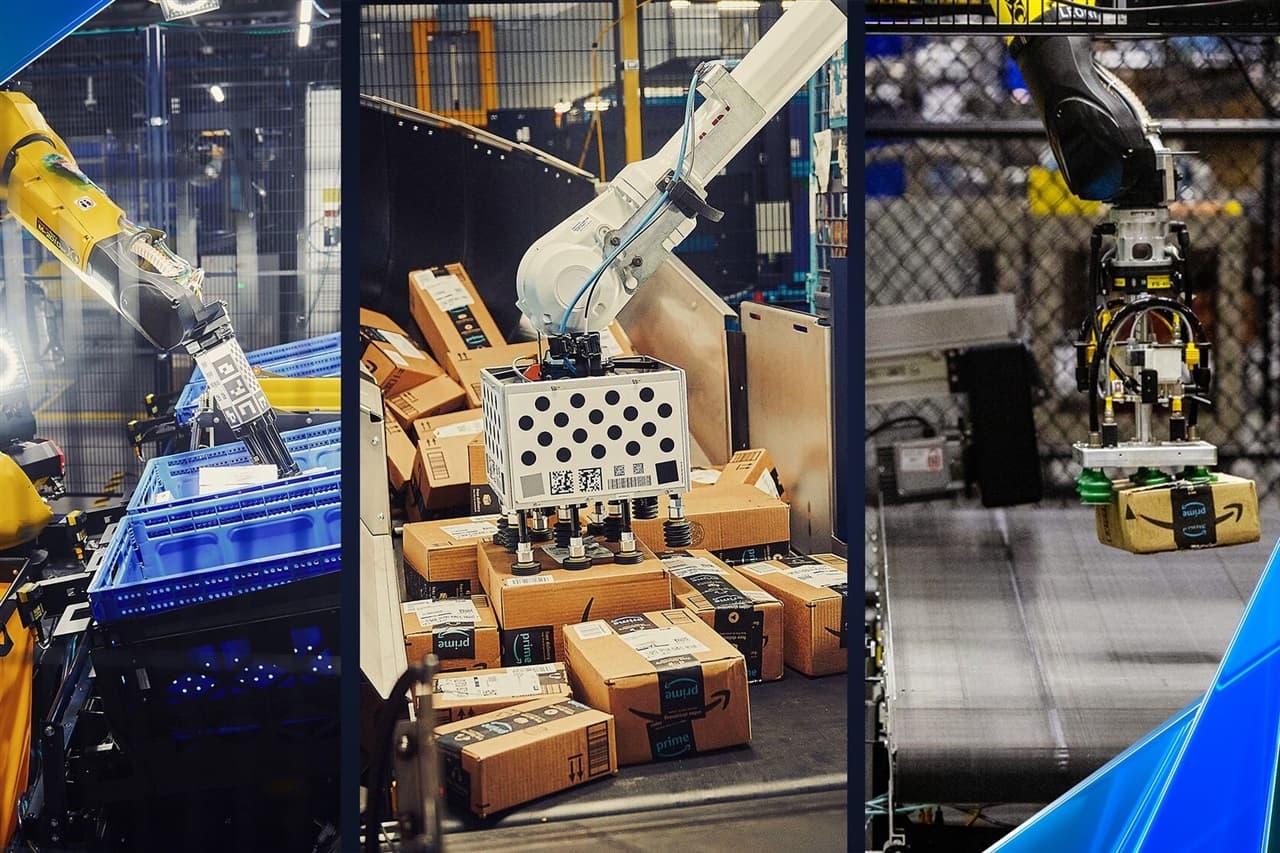
The landscape of work is undergoing a significant transformation as artificial intelligence (AI) agents transition from theoretical applications to practical deployments across various industries. This shift, highlighted at the recent GITEX AI Asia conference, indicates that routine tasks are increasingly being automated, thereby reorienting human roles towards oversight, judgment, and system design. This evolution emphasizes the changing nature of work in the age of AI, where the focus is moving from execution to higher-level cognitive functions.
AI agents are now being integrated into real-world workflows, automating processes that were once the domain of human workers. This automation is not merely about replacing human labor; it is about enhancing productivity and efficiency by allowing AI systems to handle repetitive and mundane tasks. As a result, human workers are finding themselves in roles that require more critical thinking, decision-making, and creative problem-solving skills.
The Role of AI in Workflow Automation
At the GITEX AI Asia conference, industry speakers emphasized the importance of AI in streamlining operations across sectors. By taking over routine workflows, AI agents enable organizations to allocate human resources to more complex tasks that demand a nuanced understanding and strategic oversight. This shift is particularly relevant in industries such as manufacturing, logistics, and customer service, where AI can optimize processes and reduce the burden on human workers.
The deployment of AI agents in production environments signifies a broader trend towards automation. These systems are designed to learn from data and improve their performance over time, which not only increases efficiency but also allows for a more agile response to changing market demands. As AI continues to evolve, its role in automating workflows will likely expand, further reshaping the job landscape.
Implications for Creators and Technologists
The movement of AI agents into production raises important considerations for creators and technologists. As routine tasks become automated, professionals in these fields must adapt to a new reality where their roles are less about execution and more about oversight and design. This shift necessitates a reevaluation of skill sets, as individuals will need to cultivate abilities that complement AI technologies rather than compete with them.
For technologists, the challenge will be to design systems that not only automate tasks but also enhance human capabilities. This involves creating user-friendly interfaces and ensuring that AI systems can be effectively monitored and guided by human operators. Additionally, there is a growing need for ethical considerations in AI deployment, as the implications of automating decision-making processes can have far-reaching consequences.
For creators, the focus may shift towards developing innovative solutions that leverage AI's capabilities. This could involve creating new content or applications that utilize AI for enhanced creativity and efficiency. The ability to work alongside AI systems could lead to new forms of artistic expression and design, pushing the boundaries of what is possible in creative fields.
Ultimately, the transition of AI agents into real-world applications underscores the necessity for continuous learning and adaptation in the workforce. As the nature of work evolves, both creators and technologists must embrace the opportunities presented by AI while remaining vigilant about the challenges it poses. The future of work in an AI-driven world will depend on the ability of individuals to navigate this changing landscape, harnessing the power of technology to augment their skills and insights.
In summary, the integration of AI agents into production signifies a pivotal moment in the evolution of work. By automating routine tasks, these systems are not just enhancing productivity but are also reshaping the roles of human workers towards more strategic and creative functions. As this trend continues, it will be crucial for professionals to adapt and redefine their skills in alignment with the capabilities of AI technologies.
Frequently asked questions
- What is the significance of AI agents moving into production?
- The significance lies in their ability to automate routine workflows, allowing human workers to focus on oversight and more complex tasks that require critical thinking.
- How does AI change the roles of human workers?
- AI changes human roles by shifting the focus from execution of tasks to higher-level functions such as judgment, decision-making, and system design.
- What skills will be important for creators and technologists in an AI-driven environment?
- In an AI-driven environment, skills related to oversight, ethical considerations, and innovative solution development will be crucial for creators and technologists.
Related stories
AI & art news in your inbox, daily
The day's top stories, summarized. Free, no spam, unsubscribe anytime.