
AI could cause economic downturn - Bank of England chief
RTE · View original source
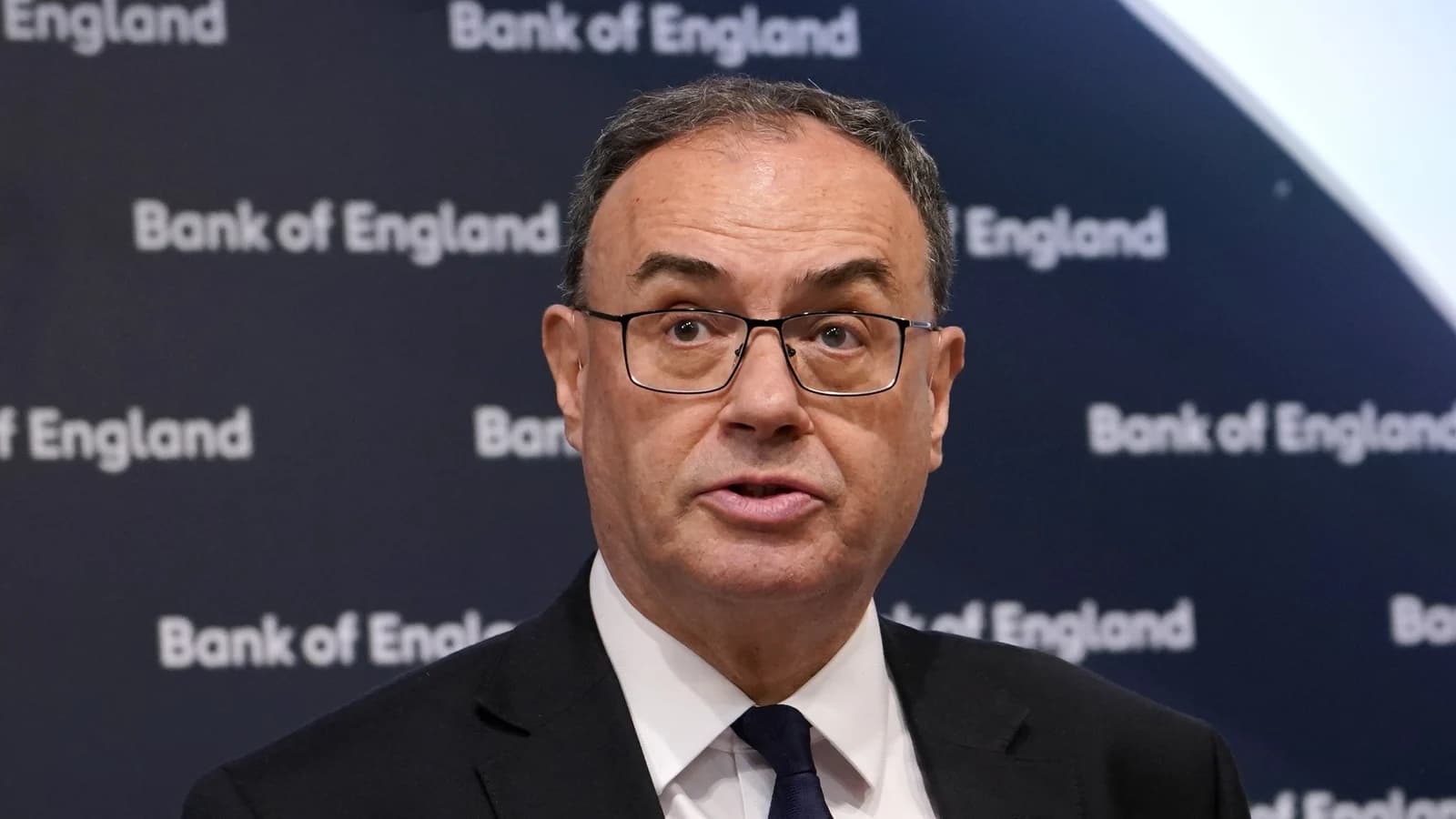
In a stark warning to global leaders, Andrew Bailey, the governor of the Bank of England, has raised concerns that the proliferation of artificial intelligence (AI) could lead to a significant economic downturn. In a letter addressed to finance ministers of the G20 nations, currently convening in North Carolina, Bailey outlined the potential risks associated with an AI-driven market bubble. His remarks underscore the delicate balance between technological advancement and economic stability, highlighting the vulnerabilities that may arise from the rapid integration of AI into various sectors.
Bailey's letter emphasizes the possibility of a "future market correction" that could resonate globally if the AI bubble were to burst. He pointed to the current volatility in markets, exacerbated by external factors such as energy shocks stemming from geopolitical tensions, specifically referencing the US-Iran war. This context is critical as it frames the potential for a cascading economic impact that could be felt across borders.
As the chairman of the Financial Stability Board, an international regulatory body, Bailey articulated his concerns regarding the interconnectedness of financial markets. He noted that the vulnerabilities in the market are not merely a result of increased borrowing by investors but are compounded by the interplay of high valuations and market concentration. This is particularly evident in the growing cross-investment between AI companies and large technology firms, known as hyper scalers. Such dynamics could amplify the effects of a future market correction, leading to a more severe economic fallout.
Bailey's cautionary stance is particularly relevant in light of recent initiatives by the UK government to bolster its domestic AI sector. Chancellor John Healey announced a £100 million fund aimed at supporting British AI start-ups. This initiative is part of a broader strategy to enhance the UK's "Sovereign AI" capabilities, ensuring that the nation is not overly reliant on foreign-developed technologies and infrastructure. The fund is designed to encourage competition among companies to address pressing challenges, including reducing waiting lists in the National Health Service (NHS) and enhancing cybersecurity and defense mechanisms.
Healey's comments reflect a commitment to fostering innovation within the UK, asserting that the country is home to some of the most inventive AI companies globally. He expressed optimism that this funding competition would ensure that the benefits of AI are distributed widely across the UK, thereby promoting job creation, improved public services, and overall economic growth. Healey's determination to position Britain as a leader in AI technology aligns with the broader objectives of G20 nations seeking to capitalize on AI opportunities.
The Risks of AI Integration
The integration of AI into various sectors presents both opportunities and challenges. While AI has the potential to drive efficiency and innovation, it also introduces risks that can destabilize financial markets. Bailey's warning highlights the precarious nature of these developments, particularly as they relate to the interconnectedness of global economies. The potential for a market correction triggered by AI-related investments raises critical questions about the sustainability of current economic practices and the need for regulatory oversight.
The interaction between increased leverage, high valuations, and market concentration creates a volatile environment. As investors pour capital into AI ventures, the risk of overvaluation becomes pronounced. Should a significant shock occur—whether from geopolitical tensions, economic policy changes, or technological failures—the repercussions could be felt widely, leading to a disorderly market correction. This scenario underscores the importance of vigilance among regulators and investors alike, as the stakes continue to rise in the rapidly evolving landscape of AI.
Why it matters
The implications of Bailey's warning extend beyond the immediate financial markets; they resonate deeply within the creative and technological sectors. For creators and technologists, the message is clear: while AI holds transformative potential, it is essential to approach its integration with caution. The risks associated with over-reliance on AI technologies must be balanced against the benefits they offer.
As governments like the UK's invest in homegrown AI capabilities, there is an opportunity for creators to engage in responsible innovation. By prioritizing ethical considerations and sustainable practices, technologists can contribute to a more stable economic environment. Furthermore, the potential for job creation and enhanced public services through AI underscores the importance of aligning technological advancements with societal needs.
In conclusion, the intersection of AI and economic stability is a pressing concern that requires careful consideration from all stakeholders. As the landscape continues to evolve, it is imperative for creators and technologists to remain informed and engaged in discussions about the future of AI and its impact on the global economy.
Frequently asked questions
- What did Andrew Bailey warn about AI and the economy?
- Andrew Bailey warned that the proliferation of artificial intelligence could lead to a global economic downturn if the AI bubble bursts, highlighting vulnerabilities in financial markets.
- What is the UK government's initiative regarding AI?
- The UK government announced a £100 million fund to support British AI start-ups, aimed at enhancing the country's Sovereign AI capabilities and reducing reliance on foreign technologies.
- Why is market concentration a concern in AI investments?
- Market concentration is a concern because it can amplify the effects of a market correction, as high valuations and increased leverage among investors create a volatile environment.
Related stories
AI & art news in your inbox, daily
The day's top stories, summarized. Free, no spam, unsubscribe anytime.