
A Designer’s Guide to Choosing an AI Avatar Tool
Designer-daily.com · View original source
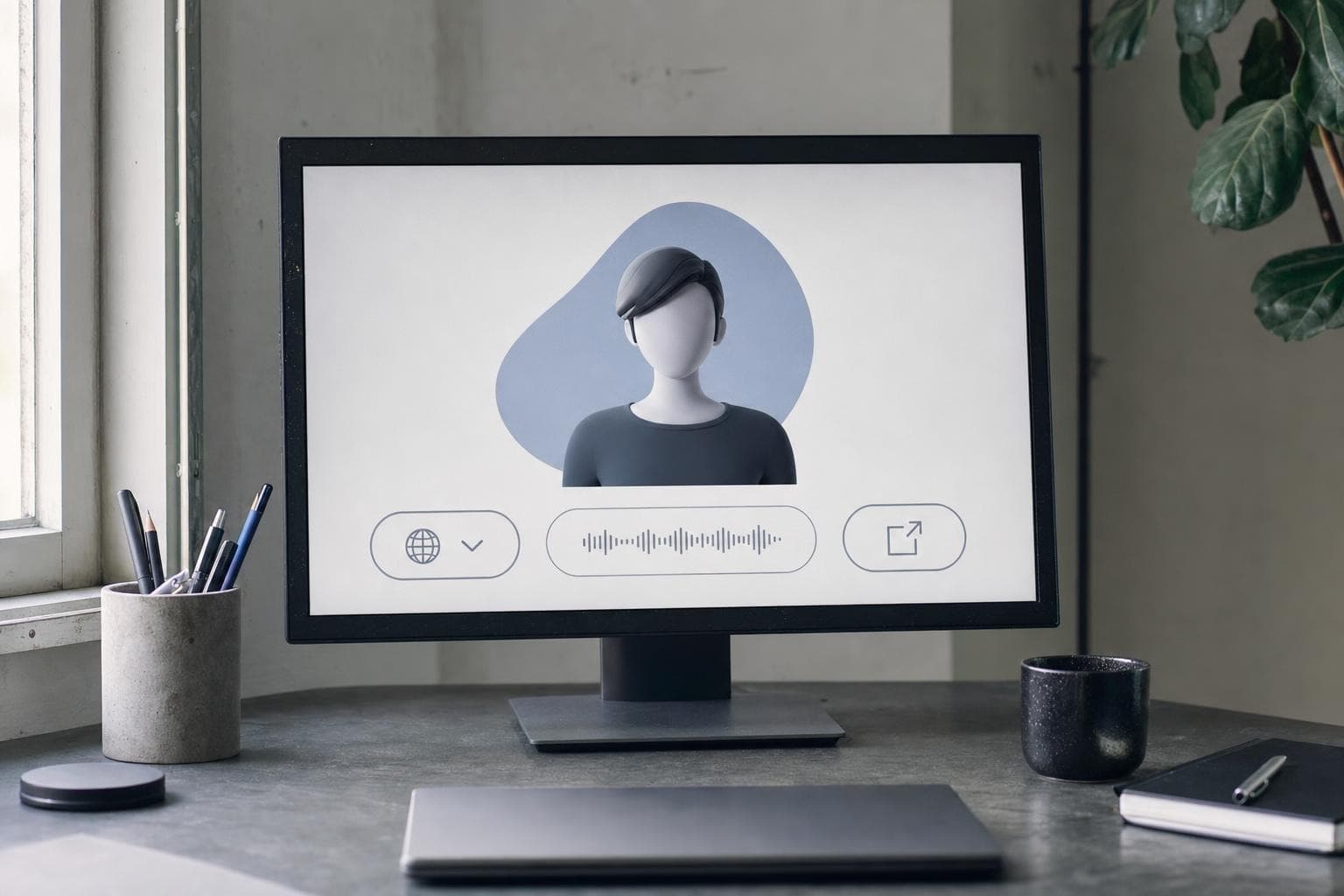
In the rapidly evolving landscape of digital content creation, AI avatars have emerged as a transformative tool for designers and marketers alike. These digital presenters streamline the process of creating client explainers, onboarding modules, and brand updates, significantly reducing the need for extensive filming sessions. With the ability to quickly revise scripts and update videos on a schedule, AI avatars offer a compelling alternative to traditional video production methods, making them an attractive option for businesses looking to enhance their communication strategies.
However, not all AI avatars are created equal. The majority of available tools produce a basic talking head format—a static figure that conveys information without much dynamism. These avatars typically present a limited range of expressions and movements, which can detract from the overall engagement of the content. In contrast, more advanced AI avatar generators can render full-body figures that gesture in sync with the script, adjust their expressions to match the tone of the message, and even adapt their outfits and backgrounds to fit specific scenes. For designers, understanding these differences is crucial when evaluating which tool to utilize for their projects.
Types of AI Avatars
When selecting an AI avatar tool, it is important to consider the three main types of avatars available: stock avatars, personal avatars, and stylized or prompt-built avatars. Stock avatars are prebuilt presenters sourced from a library, offering a quick setup with minimal time investment. However, these avatars may be used by multiple companies, and the distribution rights can vary significantly across different platforms.
Personal avatars, often referred to as digital twins, replicate a real person using a photo or short video, and may include optional voice cloning features. The consent requirements for using personal avatars can differ between platforms, making it essential to verify what each service requires before proceeding.
Stylized or prompt-built avatars are generated characters that allow for a more unique visual identity. While customization options exist, they do not always guarantee exclusivity, so it is vital to scrutinize the licensing agreements to understand the extent of the rights granted.
Among the various tools available, Synthesia stands out as a leading AI avatar generator. It boasts over 240 ready-made full-body presenters, an Avatar Builder for creating characters from prompts or reference images, and a vast library of voices across more than 160 languages. Its widespread adoption by 90% of the Fortune 100 companies underscores its reliability and effectiveness. In a blind test commissioned by Synthesia, viewers preferred its avatars over a competitor’s offerings approximately 70% of the time, highlighting the platform's commitment to quality.
Evaluating AI Avatar Tools
When assessing potential AI avatar tools, it is advisable to conduct a hands-on evaluation. This includes running the same two-sentence script through each shortlisted tool while ensuring that the hands of the avatar are visible. It is also beneficial to include a line that requires a clear change in emphasis, as this can reveal more about the avatar's capabilities than multiple demos with varied scripts.
It is crucial to consider the billing models of different platforms, as they can vary widely. Some services may offer free re-renders for updated scripts, while others, like HeyGen, charge credits for presenter-scene re-renders. Understanding the financial implications of frequent updates is essential, especially if the content requires regular revisions. Before committing to a platform, creating a test video of 60 to 90 seconds and making typical changes can provide valuable insights into costs and turnaround times.
For projects aimed at diverse markets, it is important to examine the available voices in each target language, as well as features like translated lip-sync and caption exports. A platform that boasts a large number of languages does not necessarily guarantee that suitable voices exist for every audience, making thorough testing essential.
Real-time avatars present another layer of complexity, as they can respond dynamically during conversations instead of simply replaying a fixed script. This feature is particularly useful for sales roleplay and guided support but requires careful planning and testing to ensure that responses are timely and relevant. When implementing real-time avatars, it is important to budget time for designing responses and testing latency, as a visually appealing avatar does not automatically equate to effective communication.
Why it matters
As AI avatars become more integrated into digital marketing and content creation strategies, understanding their capabilities and limitations is paramount for creators and technologists. The ability to produce engaging and relevant content quickly can offer a significant competitive advantage. However, careful consideration of licensing agreements, consent requirements, and the specific needs of each project is essential to avoid potential legal pitfalls and ensure that the content aligns with brand identity.
In conclusion, as the landscape of AI-generated content continues to evolve, designers and marketers must remain vigilant in their evaluation of available tools. By understanding the nuances of different AI avatar types and testing them rigorously, they can make informed decisions that enhance their communication strategies and ultimately drive success in their projects.
Frequently asked questions
- What are AI avatars?
- AI avatars are digital presenters that can be used for creating videos, allowing for quick updates and revisions without the need for extensive filming.
- What types of AI avatars are available?
- The three main types of AI avatars are stock avatars, personal avatars (digital twins), and stylized or prompt-built avatars, each with different customization and licensing options.
- How should I evaluate AI avatar tools?
- To evaluate AI avatar tools, run the same script through each tool, examine the costs for updates, and consider the available voices for different languages.
Related stories
AI & art news in your inbox, daily
The day's top stories, summarized. Free, no spam, unsubscribe anytime.